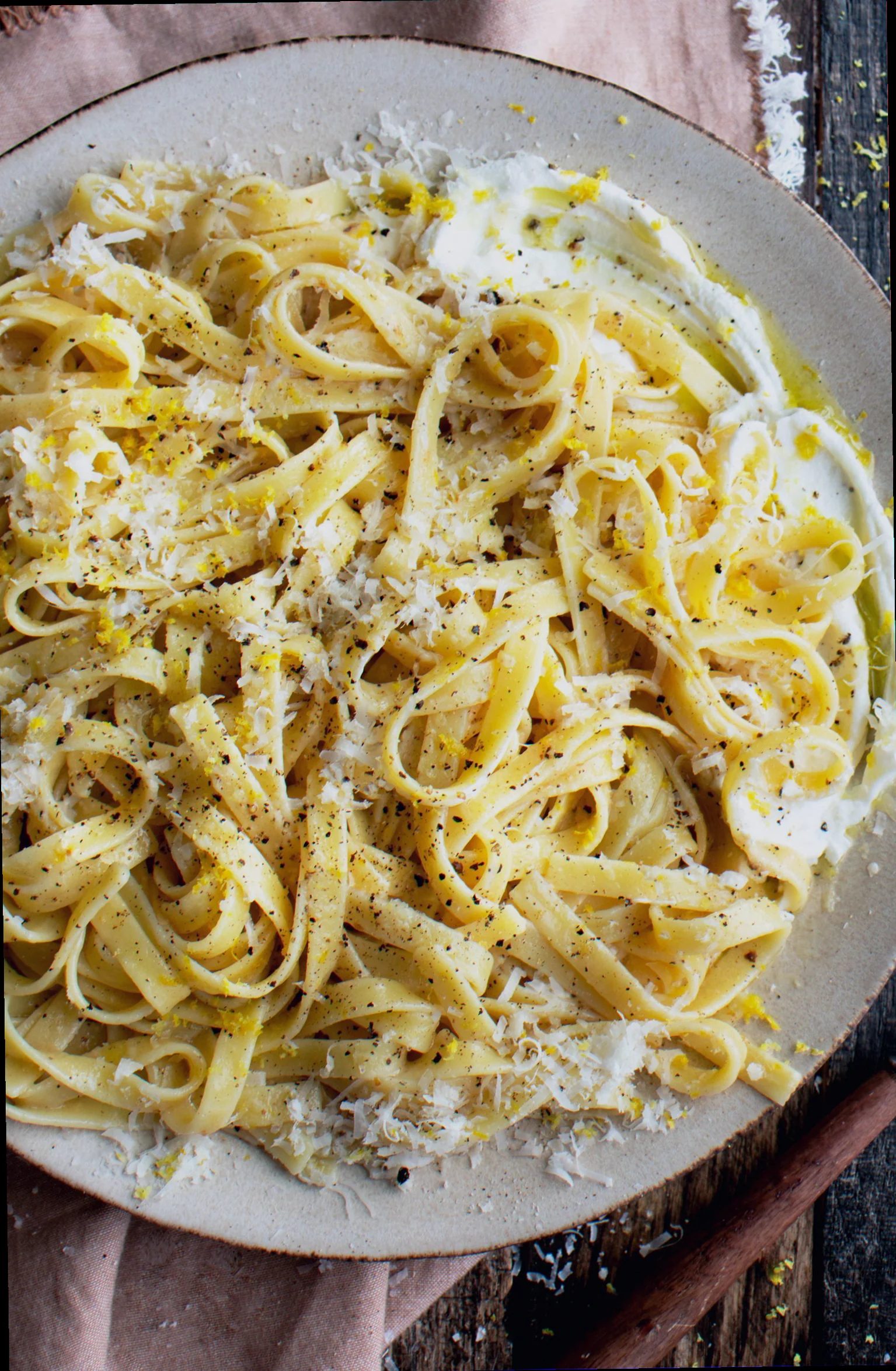
The sublime creaminess of Pasta with ricotta, particularly when baked, is a testament to the subtle interplay of protein denaturation and fat emulsification. As the ricotta, a fresh cheese, warms, its whey proteins coagulate, forming a delicate matrix that traps moisture and fat. This process, combined with the starch released from the pasta, creates a luxurious, melt-in-your-mouth texture that defines this Italian comfort classic.
Complete Recipe Overview
| Property | Detail |
|---|---|
| Dish entity | Pasta with ricotta |
| Cuisine origin | Italian (Southern Italy) |
| Defining technique | Baking |
| Hero ingredients | Ricotta, Pasta, Parmesan cheese |
| Critical ratio | Ricotta to pasta volume (approximately 1:2 by cooked volume) |
| Prep time | 20 minutes |
| Cook time | 25-30 minutes at 190°C |
| Rest / chill time | 5-10 minutes |
| Yield | 4 servings |
| Difficulty | Easy - requires basic pasta cooking and simple assembly. |
Ingredients: Quantities, Roles, and Critical Ratios
The magic of pasta with ricotta lies in its balanced simplicity. The critical ratio of ricotta to pasta ensures that each bite is enveloped in a creamy coating without being overwhelmingly dense. Ricotta, as the primary binder and flavour carrier, must be fresh and well-drained to prevent a watery outcome. The pasta provides the comforting carbohydrate base, while Parmesan cheese adds a salty, umami depth that elevates the dish beyond mere creaminess.
- Ricotta cheese - 500 grams - Role: Provides moisture, creaminess, and a delicate, slightly sweet flavour.
- Pasta - 300 grams (dried) - Role: The starchy backbone of the dish, absorbing flavours and providing textural contrast. Penne or rigatoni are excellent choices due to their ability to hold sauce.
- Parmesan cheese - 80 grams, finely grated - Role: Adds sharp, salty, and umami notes, crucial for flavour complexity.
- Eggs - 2 large - Role: Bind the ricotta mixture, helping it set during baking and preventing it from becoming crumbly.
- Fresh parsley - 30 grams, finely chopped - Role: Adds brightness, herbaceous notes, and a touch of colour.
- Nutmeg - a pinch, freshly grated - Role: Enhances the richness of dairy and adds a subtle, warm aroma.
- Salt - to taste - Role: Enhances all other flavours.
- Black pepper - to taste, freshly ground - Role: Adds a mild piquancy.
- Olive oil - 1 tablespoon (for greasing) - Role: Prevents sticking and aids browning.
The Science of Ricotta's Creaminess
Ricotta, meaning "re-cooked" in Italian, is a byproduct of cheesemaking, typically made from whey left over from producing mozzarella or provolone. Unlike other cheeses, ricotta is not aged and is therefore classified as a fresh cheese. Its texture is a result of the gentle heating of whey, which causes the remaining proteins, primarily albumin and globulin, to coagulate and precipitate out. These proteins form fine curds that are then strained to remove excess liquid. When baked, these protein networks, along with any residual fat, undergo a process of denaturation and aggregation. The heat causes the protein chains to unfold and then re-form, creating a tender, custard-like structure that is wonderfully smooth and creamy. Crucially, the low acidity of ricotta prevents the proteins from becoming tough and rubbery, a common issue with overcooked or high-acid dairy products.
Method: Baking Pasta with ricotta at Every Critical Stage
This method focuses on achieving a perfectly cooked pasta and a creamy, cohesive ricotta filling that bakes into a delightful casserole.
- Boil - Pasta Preparation: Bring a large pot of generously salted water to a rolling boil. Add 300 grams of dried pasta (such as penne or rigatoni). Cook according to package directions, but undercook by 2-3 minutes, until al dente. Drain the pasta, reserving about 120 ml of the pasta cooking water.
- Combine - Ricotta Mixture Assembly: While the pasta cooks, in a large bowl, gently combine 500 grams of ricotta cheese, 2 large eggs, 80 grams of finely grated Parmesan cheese, 30 grams of finely chopped fresh parsley, a pinch of freshly grated nutmeg, salt, and freshly ground black pepper. Mix until just combined; do not overmix, as this can toughen the eggs.
- Mix - Integrating Pasta and Ricotta: Add the drained, slightly undercooked pasta to the bowl with the ricotta mixture. Add half of the reserved pasta water (about 60 ml). Gently toss everything together until the pasta is evenly coated with the ricotta mixture. The residual heat from the pasta will help to slightly warm the ricotta and begin the binding process.
- Transfer - Baking Dish Preparation: Preheat your oven to 190°C. Lightly grease a 2-liter baking dish with 1 tablespoon of olive oil.
- Assemble - Filling the Baking Dish: Pour the pasta and ricotta mixture into the prepared baking dish, spreading it evenly. If the mixture seems a little dry, add a tablespoon or two more of the reserved pasta water, tossing gently until it reaches a moist, cohesive consistency.
- Bake - The Critical Cooking Stage: Place the baking dish in the preheated oven. Bake for 25-30 minutes, or until the top is golden brown and the edges are bubbling. The centre should be set, not liquid.
- Rest - Post-Bake Setting: Remove the baking dish from the oven and let it rest for 5-10 minutes before serving. This allows the dish to set further, making it easier to serve and preventing it from being too loose.
- Serve - Presentation: Serve the pasta with ricotta warm, garnished with a little extra fresh parsley or a drizzle of good quality olive oil, if desired.
Cultural and Historical Context of Southern Italian Pasta
Pasta with ricotta, in its various forms, is deeply rooted in the culinary traditions of Southern Italy, particularly regions like Sicily and Campania. Historically, fresh cheeses like ricotta were abundant and economical, making them a staple for peasant families. The dish reflects a resourceful use of ingredients, combining the readily available pasta with the creamy tang of local ricotta. In its original context, it was often a simple, nourishing meal, prepared in homes with minimal fuss. Over time, as culinary techniques and ingredients spread, it evolved, with regional variations incorporating different pasta shapes, herbs, and sometimes even meats or vegetables, but the core concept of creamy ricotta coating tender pasta remains a beloved icon of Italian home cooking.
Variations Across Sicilian and Neapolitan Cuisines
- Pasta alla Norma (Sicilian): While not strictly a ricotta dish, it shares a Southern Italian soul. It features pasta (often maccheroni) with a tomato and eggplant sauce, topped with salted ricotta salata (a dried, aged ricotta) instead of fresh ricotta and Parmesan. The use of ricotta salata provides a firmer, saltier counterpoint to the sweet tomatoes and tender eggplant.
- Pasta con la Mollica (Southern Italian): A more rustic and often simpler variation that sometimes incorporates ricotta. This dish, particularly prevalent in regions like Puglia, emphasizes toasted breadcrumbs (mollica) for texture, often tossed with garlic, anchovies, and sometimes fresh cheese like ricotta or caciocavallo. It's a testament to using humble ingredients to create immense flavour.
- Vegan Pasta with Cashew Ricotta: A modern adaptation that substitutes dairy ricotta with a blend of soaked cashews, nutritional yeast, lemon juice, and garlic. This provides a creamy texture and a cheesy flavour profile, though it sacrifices the unique protein structure of dairy ricotta.
- Baked Pasta with Prosciutto and Peas: A more elaborate version often found in contemporary Italian-American cuisine. This variation adds salty prosciutto and sweet peas to the ricotta and pasta mixture before baking, creating a richer, more complex flavour profile that moves away from the pure simplicity of the original.
Storage, Freezing, and Reheating Pasta with ricotta
Pasta with ricotta can be made ahead, making it a convenient option for busy weeknights. For optimal texture, it's best to undercook the pasta slightly when preparing it for future consumption.
- Refrigeration: Store cooled pasta with ricotta in an airtight container in the refrigerator for up to 3 days.
- Freezing: Allow the baked pasta to cool completely. Portion it into freezer-safe containers or wrap individual portions tightly in plastic wrap and then foil. Freeze for up to 2 months. Note that freezing may slightly alter the texture of the ricotta, making it a little more watery upon thawing.
- Reheating:
- From Refrigerator: Reheat in a preheated oven at 175°C for 15-20 minutes, or until heated through. You can also reheat individual portions in the microwave on medium power for 2-3 minutes.
- From Freezer: Thaw overnight in the refrigerator. Then, reheat as you would from the refrigerator. If reheating directly from frozen, it will take longer, approximately 30-40 minutes in the oven at 175°C. Add a splash of milk or cream if the mixture appears dry.
Pairing Pasta with ricotta: Sides, Sauces, and Drinks
This comforting dish pairs beautifully with simple accompaniments that don't overpower its delicate flavours. A side of Insalata Mista (mixed green salad) with a light vinaigrette provides a refreshing contrast to the richness of the pasta. For a heartier meal, consider pairing it with a simple tomato-based sauce, such as a basic Sugo al Pomodoro, served alongside rather than mixed in, to maintain the integrity of the ricotta creaminess. A crisp, dry white wine like a Vermentino from Sardinia or a bright Falanghina from Campania is an ideal beverage pairing. Their acidity cuts through the richness of the cheese, while their subtle fruit notes complement the creamy, slightly sweet ricotta.
Answers to the Most-Searched Questions About Pasta with ricotta recipe
What temperature should Pasta with ricotta be cooked at - and how do I know it's done?
Pasta with ricotta is typically baked in a preheated oven at 190°C. You'll know it's done when the top is golden brown and the edges are visibly bubbling. The centre should be set, meaning it won't be liquid or overly wet, and a skewer inserted should come out mostly clean, perhaps with a little moist crumb adhering to it. The internal temperature will typically reach around 75-80°C.
What is the difference between Pasta with ricotta recipe and Lasagna?
The key difference lies in their construction and primary binding agents. Lasagna is characterized by layers of flat pasta sheets, béchamel sauce (a white sauce made from butter, flour, and milk), ragù (meat sauce), and cheese, baked until bubbly. Pasta with ricotta, on the other hand, typically uses a single layer of short pasta coated in a ricotta-based mixture, often bound with eggs and Parmesan, then baked. Lasagna is inherently richer and more complex due to the béchamel and ragù, while pasta with ricotta is simpler, highlighting the creamy, delicate flavour of the ricotta itself.
Can Pasta with ricotta recipe be made in advance, and does it freeze well?
Yes, pasta with ricotta can be made in advance and freezes well. For best results, prepare it up to the point of baking, cover it tightly, and refrigerate. Bake it when ready to serve, adding a few extra minutes to the cooking time. If freezing, ensure it's completely cooled, and be aware that the texture of the ricotta might become slightly more watery upon thawing and reheating, though it remains delicious. Reheating from frozen requires careful, slow warming to prevent drying out.