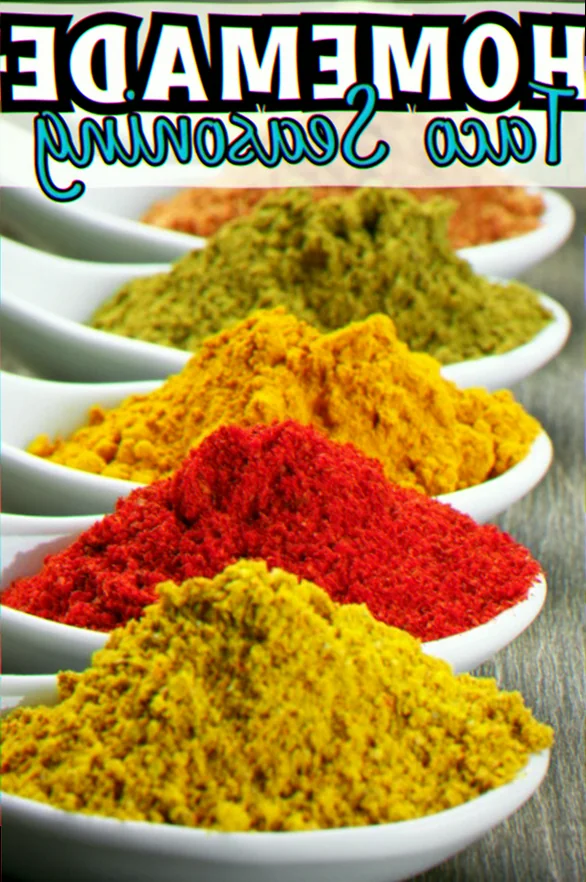
Achieving the perfect balance between earthy depth and piquant brightness defines a superior chicken taco seasoning recipe. This artisanal blend relies on the chemical synergy of lipid-soluble carotenoids found in chili peppers and the volatile aromatic oils of cumin to transform lean poultry into a succulent, umami-rich filling. By eschewing the excessive sodium and maltodextrin found in commercial packets, this version prioritizes a clean, smoky profile with a subtle herbaceous finish that anchors the flavor to the meat rather than masking it.
Recipe Overview
| Detail | Value |
|---|---|
| Dish | Chicken Taco Seasoning |
| Cuisine / category | Mexican-inspired / Pantry Staple |
| Prep time | 5 minutes |
| Cook time | 0 minutes (Dry mix) |
| Total time | 5 minutes |
| Servings | Makes ~120g (enough for 4-5 lbs of chicken) |
| Difficulty | Easy |
| Key technique | Dry-blending and lipid-blooming |
| Flavour profile | Smoky, earthy, herbaceous |
| Best served | Weeknight Taco Tuesday or Batch Meal Prep |
Ingredients
This ingredient profile is meticulously balanced to ensure the seasoning provides both immediate impact and a lingering savory foundation. High-quality chili powder acts as the structural base, while the inclusion of cornstarch or arrowroot ensures the resulting sauce clings to the chicken fibers for a moist mouthfeel.
- 45g (approx. 1/2 cup) Mild Chili Powder: The primary entity for color and base flavor; ensures a rich, deep mahogany hue without overwhelming heat.
- 30g (approx. 4 tablespoons) Ground Cumin: Provides the essential earthy, nutty aroma that defines the Tex-Mex flavor profile.
- 15g (approx. 2 tablespoons) Smoked Paprika: Adds a charred, wood-fired depth that mimics the flavor of an open-flame grill.
- 12g (approx. 2 tablespoons) Onion Powder: Delivers a concentrated, savory sweetness that rounds out the sharper spices.
- 10g (approx. 1.5 tablespoons) Garlic Powder: Provides a pungent, allium bite that acts as a flavor enhancer for the chicken protein.
- 8g (approx. 1 tablespoon) Sea Salt: Finely granulated to dissolve quickly; adjusts the seasoning to highlight the other spices.
- 4g (approx. 1 tablespoon) Dried Mexican Oregano: Crumbled by hand; adds a citrusy, camphor-like herbaceous note distinct from Mediterranean varieties.
- 2g (approx. 1 teaspoon) Cayenne Pepper: Adjust according to preference; provides the sharp capsaicin kick on the back of the palate.
- 2g (approx. 1 teaspoon) Ground Black Pepper: Adds a woody heat and helps with the bioavailability of other spice compounds.
- 5g (approx. 1 tablespoon) Cornstarch: Acts as a thickening agent when liquid is added to the pan, creating a silky glaze.
Step-by-Step Method
The logic behind this method focuses on ensuring a homogenous distribution of particles so that every bite of chicken receives an identical ratio of salt, heat, and aromatics.
- Step 1 - Weigh and Measure: Using a digital scale, measure all dry ingredients into a medium glass mixing bowl. You should smell the distinct, earthy punch of the cumin and the sweet, smoky notes of the paprika as they combine.
- Step 2 - Aerate and Whisk: Use a fine-mesh whisk to blend the spices. Observe the color transition from separate streaks of red, white, and brown into a uniform, terracotta-colored powder. Ensure there are no clumps of onion or garlic powder, which can lead to "hot spots" of flavor.
- Step 3 - Inspect Texture: Rub a small amount of the seasoning between your thumb and forefinger. It should feel mostly soft and powdery, with the slight tactile resistance of the dried oregano flakes.
- Step 4 - Transfer and Seal: Pour the mixture into an airtight glass jar. Affix a label with the date. The aroma should be potent and mouth-watering the moment the jar is opened.
- Step 5 - Application (The Bloom): When ready to cook, heat 15ml of oil in a pan to approximately 175°C. Add 2 tablespoons of seasoning per 500g of chicken. You should hear a gentle sizzle and smell an immediate intensification of the spices-this is the "blooming" process where the oils in the spices are released.
- Final step - Deglaze and Emulsify: Add 60ml of water or chicken stock to the pan. Stir vigorously as the cornstarch activates, turning the liquid into a glossy, thick sauce that coats the tender chicken pieces completely.
The Science Behind Chicken Taco Seasoning
The efficacy of a chicken taco seasoning recipe lies in the chemical property of fat-solubility. Many of the primary flavor compounds in spices like cumin (cuminaldehyde) and chili powder (capsaicin) are hydrophobic, meaning they do not dissolve well in water but thrive in fats. By mixing these spices with the natural fats found in chicken thighs or the oil used in the pan, you facilitate a more efficient delivery of flavor to the taste buds. Furthermore, the inclusion of a starch like cornstarch performs a crucial mechanical role. Chicken, particularly breast meat, tends to release moisture as its proteins denature at temperatures above 65°C. Without a stabilizer, this moisture evaporates or pools, leaving the spices grainy. The starch captures this moisture, creating a colloidal suspension-a sauce-that keeps the chicken tender and ensures the seasoning adheres to the meat's surface rather than sliding off into the pan.
Ingredient Substitutions and Variations
Adapting your chicken taco seasoning recipe allows for dietary flexibility and flavor experimentation without compromising the structural integrity of the dish.
- Mexican Oregano → Mediterranean Oregano: Mediterranean oregano is more minty and savory, while Mexican oregano (from the lemon verbena family) is citrusy. Use a 1:1 ratio, but expect a slightly "muddier" herbal note with the Mediterranean version. Verdict: Works well in a pinch.
- Smoked Paprika → Sweet Paprika: This swap removes the "charred" flavor profile. To compensate, add a drop of liquid smoke to your cooking liquid. Verdict: Recommended for those who dislike smoky flavors.
- Cornstarch → Arrowroot Powder: For those following a Paleo or grain-free diet, arrowroot provides the same thickening power and a slightly glossier finish. Verdict: Excellent substitution.
- Dietary variation - Low Sodium: Simply omit the 8g of sea salt. Replace it with 5g of nutritional yeast to maintain the "savory" umami depth without the sodium hit.
- Flavour variation - Salsa Verde Style: Replace the chili powder and paprika with dehydrated lime peel and double the oregano for a brighter, more acidic take on chicken tacos.
Make-Ahead, Storage, and Reheating
This seasoning is the ultimate make-ahead entity for busy kitchens. Because it is a dry mix, it is not susceptible to bacterial growth as long as it remains moisture-free. Store the blend in a non-reactive glass container, such as a Mason jar, in a cool, dark pantry away from the heat of the stove. Exposure to light and fluctuating temperatures will cause the volatile oils to oxidize, resulting in a flat, dusty flavor. When stored correctly at room temperature (approx. 20°C), the seasoning maintains peak potency for up to 6 months. If you have already used the seasoning to cook chicken, the prepared meat can be refrigerated in an airtight container for up to 4 days or frozen at -18°C for 3 months. To reheat, add a splash of water to a pan and cover with a lid to trap steam, ensuring the chicken retains its tender texture without drying out.
What to Serve With Chicken Taco Seasoning
While the seasoned chicken is the star, the overall dining experience is elevated by pairing it with complementary textures and acid profiles.
- Cilantro Lime Rice: The starchiness of the rice provides a neutral base that absorbs any excess sauce from the seasoned chicken, while the lime juice provides a necessary acidic counterpoint to the earthy cumin.
- Pickled Red Onions: The sharp vinegar and crunch of the onions cut through the richness of the smoked paprika and chicken fats, refreshing the palate between bites.
- Creamy Avocado Salsa: The high fat content