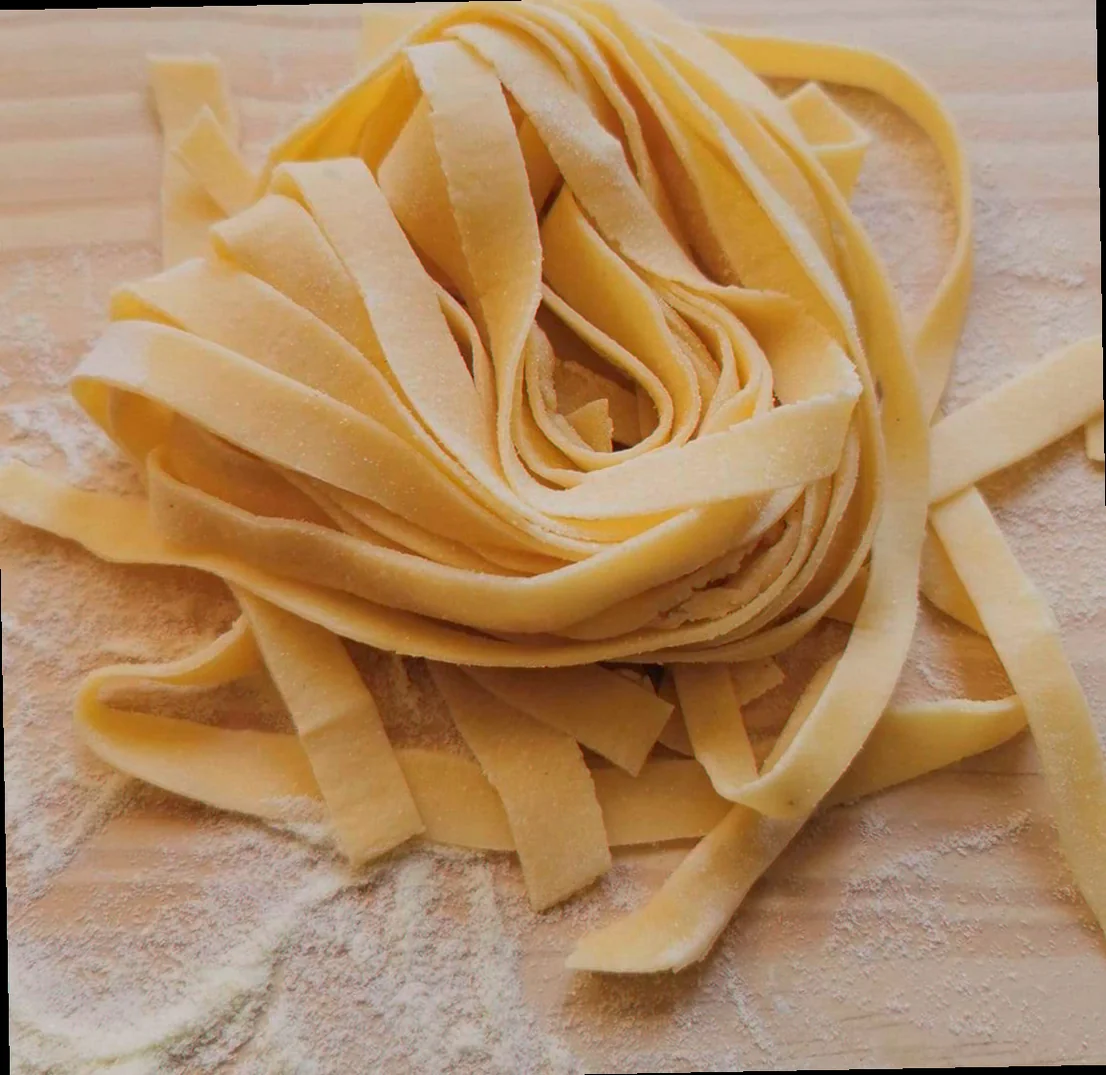
The aroma of browned butter and sage, clinging to perfectly al dente ribbons of pasta - that's the promise of authentic Tagliatelle al Ragù. Originating in the Emilia-Romagna region of Italy, this dish isn't just about pasta; it's about a slow, deliberate process. The success of this recipe hinges on three key elements: the quality of the Pancetta, the depth of flavour achieved when properly braising the meat sauce (the Ragù), and the texture of the freshly made or high-quality dried Tagliatelle itself. Get these right, and you'll experience a taste of Italy that transports you straight to Bologna.
Quick Reference
| Field | Detail |
|---|---|
| Dish | Tagliatelle al Ragù |
| Origin | Emilia-Romagna, Italy |
| Hero ingredients | Pancetta, Tagliatelle, Parmigiano-Reggiano |
| Defining technique | Braising |
| Texture | Silky, Al dente |
| Flavour | Rich, Savoury, Umami |
| Total time | 3 hours 30 minutes |
| Servings | 6 |
| Pairs with | Sangiovese |
| Occasion | Sunday Supper, Special Occasions |
Ingredients - What Actually Matters and Why
The foundation of a truly exceptional Tagliatelle al Ragù lies in the quality of its components. Pancetta, cured pork belly, provides the initial layer of savoury depth, rendering its fat to create a flavourful base for the sauce. Tagliatelle, the long, flat ribbons of pasta, are specifically designed to cling to the rich sauce. Finally, freshly grated Parmigiano-Reggiano, the 'King of Cheeses', adds a salty, umami finish that elevates the entire dish.
- Pancetta - 150g, diced - Its rendered fat forms the flavour base of the ragù, imparting a distinct savoury note.
- Tagliatelle - 500g, fresh or high-quality dried - The porous texture of tagliatelle allows it to absorb the sauce beautifully.
- Parmigiano-Reggiano - 100g, finely grated - Provides a salty, umami finish and adds richness to the sauce.
- Olive oil - 2 tbsp
- Onion - 1 medium, finely chopped
- Carrot - 1 medium, finely chopped
- Celery - 1 stalk, finely chopped
- Ground beef - 300g
- Pork shoulder - 200g, diced
- Dry red wine - 250ml
- Canned crushed tomatoes - 400g
- Tomato paste - 2 tbsp
- Beef broth - 250ml
- Whole milk - 125ml
- Nutmeg - pinch, freshly grated
- Bay leaf - 1
- Salt and black pepper - to taste
Method: Braising Step by Step
The key to a truly exceptional Ragù is the slow, patient process of braising. This technique allows the flavours to meld and deepen over time, resulting in a sauce that is incredibly rich and complex. We begin by rendering the fat from the pancetta, then build layers of flavour by sautéing the vegetables and browning the meats before simmering them in wine and tomatoes.
- Render - Pancetta: In a large, heavy-bottomed pot or Dutch oven, cook the diced pancetta over medium heat until crispy and golden brown, about 8-10 minutes. The fat should be rendered and the pancetta should be fragrant.
- Sauté - Vegetables: Add the chopped onion, carrot, and celery to the pot and cook until softened and translucent, about 5-7 minutes. They should be tender but not browned.
- Brown - Meats: Add the ground beef and diced pork shoulder to the pot and cook, breaking it up with a spoon, until browned on all sides, about 8-10 minutes. The meat should have a rich, browned colour.
- Deglaze - Wine: Pour in the dry red wine and bring to a simmer, scraping up any browned bits from the bottom of the pot. The wine should reduce by half, about 5 minutes, releasing its aroma.
- Simmer - Sauce: Stir in the crushed tomatoes, tomato paste, beef broth, milk, nutmeg, and bay leaf. Bring to a simmer, then reduce the heat to low, cover, and braise for at least 3 hours, stirring occasionally. The sauce should be thick and rich, and the meat should be incredibly tender.
- Season - Flavour: Remove the bay leaf and season with salt and black pepper to taste. Adjust seasoning as needed.
- Cook - Pasta: While the sauce is simmering, cook the tagliatelle according to package directions until al dente. It should have a slight resistance when bitten.
- Finish and plate: Toss the cooked tagliatelle with the Ragù, ensuring every strand is coated. Serve immediately, garnished generously with freshly grated Parmigiano-Reggiano. The finished dish should be a vibrant red-brown, with glistening pasta ribbons and a generous dusting of cheese.
Authentic vs Adapted: What Changes and What Doesn't
Traditional Tagliatelle al Ragù from Emilia-Romagna is a labour of love. The Ragù is typically made with a combination of beef, pork, and sometimes veal, and is simmered for hours, often a full day, to achieve maximum flavour. Milk is a key ingredient, adding richness and softening the acidity of the tomatoes. Adaptations often involve shortening the cooking time or using different cuts of meat. While using ground turkey or chicken instead of beef and pork is acceptable for a lighter version, omitting the milk or drastically reducing the simmering time fundamentally alters the dish's character. The braising technique and the use of Pancetta are non-negotiable for an authentic flavour profile.
Substitutions That Work (and Ones That Don't)
- Pancetta → Guanciale: Similar flavour profile, slightly more intense. Recommended.
- Parmigiano-Reggiano → Grana Padano: Similar hard cheese, slightly less complex flavour. Acceptable, but noticeable difference.
- For dietary needs - Vegan: Substitute the meats with a mix of finely chopped mushrooms (cremini, portobello) and lentils. Use vegetable broth and plant-based milk. Adjust cooking time as needed.
- Budget swap: Ground beef can be supplemented with ground pork shoulder to reduce cost. The flavour will be slightly less refined.
What to Serve Alongside Tagliatelle al Ragù
Tagliatelle al Ragù is a substantial dish, best served with simple sides that complement its richness. A crisp green salad with a light vinaigrette, like a Radicchio Salad, provides a refreshing contrast. Roasted vegetables, such as Asparagus, offer a textural and flavourful counterpoint. To drink, a bottle of Sangiovese, with its bright acidity and cherry notes, cuts through the richness of the sauce and enhances the savoury flavours of the meat.
Troubleshooting: Why Your Tagliatelle Went Wrong
Don't despair if your Tagliatelle al Ragù doesn't turn out perfectly the first time. Here are some common pitfalls and how to fix them:
- Symptom: Sauce is watery. Cause: Insufficient braising time or too much liquid. Fix: Continue simmering uncovered for another 30-60 minutes to allow the sauce to reduce.
- Symptom: Pasta is mushy. Cause: Overcooked pasta. Fix: Cook pasta al dente, checking frequently during the last few minutes of cooking.
- Symptom: Sauce lacks flavour. Cause: Insufficient seasoning or not enough braising time. Fix: Add more salt, pepper, and a pinch of nutmeg. Continue simmering for another hour to allow the flavours to develop.
Make-Ahead and Storage
The Ragù can be made up to 2 days in advance and stored in an airtight container in the refrigerator. In fact, the flavour often improves with time. Reheat gently over low heat, adding a splash of broth if needed to loosen the sauce. Cook the tagliatelle just before serving to maintain its al dente texture. Do not freeze cooked tagliatelle, as it will become mushy upon thawing.
Recipe Questions Answered
What makes Tagliatelle al Ragù different from Spaghetti Bolognese?
While often confused, they are distinct. Spaghetti Bolognese is a British adaptation, typically using spaghetti and a thinner, more tomato-based sauce. Tagliatelle al Ragù uses tagliatelle and a richer, meatier sauce, braised for a longer period, and traditionally includes milk.
Can I make Tagliatelle al Ragù without a Dutch oven?
Yes, a large, heavy-bottomed pot will work, but a Dutch oven's even heat distribution is ideal for braising. You may need to stir more frequently to prevent sticking.
How do I scale Tagliatelle al Ragù for a crowd?
Increase ingredient quantities proportionally. However, be mindful that the cooking time may need to be slightly increased for larger batches to ensure the meat is fully tender. Use a larger pot to prevent overcrowding.