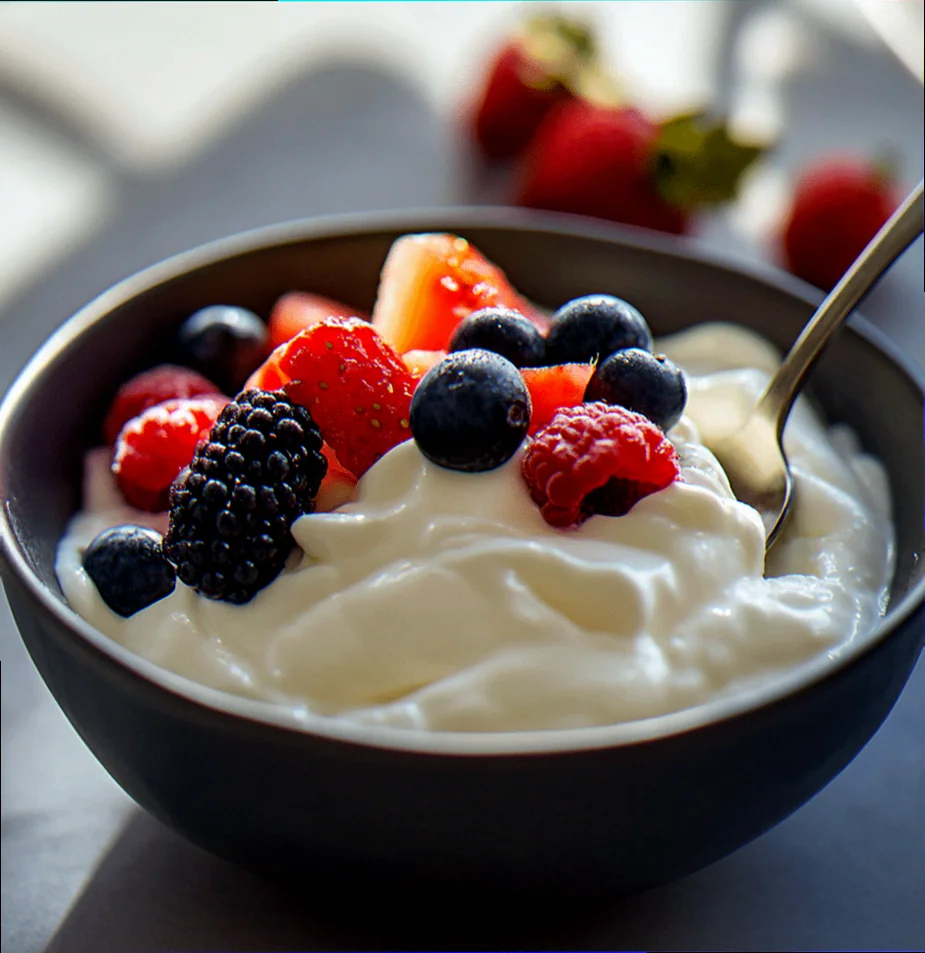
Imagine a texture so ethereal it feels like a silken cloud dissolving on the palate, carrying the sharp, refreshing tang of fermented dairy tempered by a delicate floral sweetness. This Fluffy Yogurt recipe, a modern evolution of Mediterranean dairy traditions, relies entirely on the structural integrity of Greek Yogurt, the aerating power of Egg Whites, and the stabilizing viscosity of Honey to transform a dense breakfast staple into a sophisticated mousse. Achieving this specific gravity requires precise temperature control and a gentle hand during the incorporation phase to ensure the microscopic air bubbles remain trapped within the protein matrix.
Quick Reference
| Field | Detail |
|---|---|
| Dish | Fluffy Yogurt (Aerated Yogurt Mousse) |
| Origin | Modern Fusion / Mediterranean-influenced |
| Hero ingredients | Greek Yogurt, Egg Whites, Honey |
| Defining technique | Aeration (Whipping and Folding) |
| Texture | Aerated, Cloud-like, Velvety |
| Flavour | Tangy, Creamy, Subtly Sweet |
| Total time | 25 minutes |
| Servings | 4 |
| Pairs with | Iced Matcha Latte or Sparkling Rosé |
| Occasion | Summer Brunch or Low-Calorie Dessert |
Ingredients - What Actually Matters and Why
Each component in this recipe serves a structural purpose beyond mere flavor; the interaction between lipids and proteins is what dictates the final volume and stability of the fluff. High-fat content in the dairy provides the necessary mouthfeel to balance the airiness, while the proteins in the aerator provide the "skeleton" of the dish.
- Greek Yogurt - 500g (Full-fat, 5% or 10%) - This is the primary entity that provides the tangy flavor profile and the dense base; using a strained yogurt is non-negotiable as excess whey will cause the mixture to collapse into a liquid state.
- Egg Whites - 3 Large (Room temperature) - These act as the biological aerator, creating a stable foam that introduces millions of tiny air pockets into the heavy yogurt base.
- Honey - 60ml (High-quality Orange Blossom or Clover) - Beyond sweetness, honey acts as a stabilizer for the egg white foam, its hygroscopic nature helping to prevent syneresis (weeping) over time.
- Vanilla Bean Paste - 1 tsp - Adds aromatic complexity and visual "specks" that signal a premium, artisanal preparation.
- Lemon Zest - 1 tbsp (Finely grated) - The citric oils cut through the dairy fat, brightening the overall flavor graph and enhancing the yogurt's natural acidity.
- Cream of Tartar - 1/4 tsp - An acidic stabilizer that denatures the egg proteins just enough to create a more flexible and durable foam.
Method: Aeration and Folding Step by Step
The sequence of operations is designed to protect the fragile air bubbles created during the whipping process, gradually introducing the heavy yogurt to the light foam to prevent immediate deflation.
- Whisk - Prepare the Base: Place the Greek Yogurt in a large chilled glass bowl and vigorously whisk with the lemon zest and vanilla bean paste until the texture appears glossy and smooth rather than curd-like; it should fall off the whisk in a thick, continuous ribbon.
- Aerate - Build the Foam: In a separate, impeccably clean metal bowl, whip the egg whites and cream of tartar on medium speed until they reach soft peaks-look for the point where the foam curls over like a wave when the beaters are lifted.
- Stabilize - Incorporate Honey: Increase the mixer speed to high and slowly stream in the honey, continuing to whip until the foam transforms into stiff, glossy peaks that stand straight up; the mixture should look like polished porcelain and feel slightly tacky to the touch.
- Temper - Initial Sacrifice: Take one-quarter of the stiff egg white foam and briskly stir it into the yogurt base; this "sacrificial" scoop lightens the density of the yogurt, making it easier to incorporate the remaining foam without crushing the air bubbles.
- Fold - Final Integration: Using a wide silicone spatula, gently cut through the center of the remaining egg whites and "fold" the yogurt over them, rotating the bowl 45 degrees with each stroke until no white streaks remain and the mixture has doubled in volume.
- Chill - Set the Structure: Transfer the mixture into individual glass coupes and refrigerate at 4°C for at least 15 minutes; this allows the fats to firm up slightly, resulting in a more resilient, spoonable texture.
- Finish and plate: Garnish with fresh raspberries and a sprig of mint. A perfectly made version should sit high in the bowl with visible micro-bubbles on the surface and a matte, velvety finish that doesn't jiggle like gelatin.
Authentic vs Adapted: What Changes and What Doesn't
In its most authentic form, the concept of aerated dairy traces back to the French Mousse de Yogourt and the Middle Eastern Labneh preparations. Traditional versions often rely on heavy cream (Crème Fleurette) to provide volume. However, this modern adaptation uses egg whites to achieve a significantly higher "fluff" factor with a lower caloric density, leaning into the contemporary desire for high-protein, light-textured snacks. While the flavor remains authentically Mediterranean due to the fermented tang of the Greek Yogurt, the technique is a culinary adaptation borrowed from pastry science. The non-negotiable attribute is the use of strained yogurt; if you attempt to use a standard, unstrained European-style yogurt, the water content will immediately dissolve the protein bonds of the foam, resulting in a runny soup rather than a cloud-like mousse.
Substitutions That Work (and Ones That Don't)
- Egg Whites → Aquafaba (Chickpea Brine): This creates a vegan-friendly aeration with a slightly more "earthy" aftertaste; it requires a longer whipping time (approx. 10 minutes) to reach the same peak stability.
- Honey → Maple Syrup: Provides a deeper, woodier sweetness but results in a slightly less stable foam due to the lower viscosity of the syrup compared to honey.
- For dietary needs - Vegan: Swap the Greek Yogurt for a high-fat Coconut Milk Yogurt (must be 10%+ fat) and use 120ml of whipped Aquafaba; ensure the coconut yogurt is chilled to 2°C before folding to prevent the plant-based fats from melting.
- Budget swap: Plain yogurt strained through cheesecloth for 4 hours → Greek Yogurt: This is a highly effective way to save money, yielding the same thick consistency as expensive store-bought Greek brands with no loss in quality.
What to Serve Alongside Fluffy Yogurt
To balance the ethereal texture of the yogurt, you should pair it with ingredients that offer a significant structural contrast. Toasted Granola or Honey-Roasted Pistachios provide a necessary "crunch" entity that anchors the dish. Additionally, Macerated Berries-fruit soaked in sugar and balsamic vinegar-offer a syrupy acidity that cuts through the creaminess. For a beverage pairing, an Iced Matcha Latte is ideal; the vegetal, slightly bitter notes of the green tea provide a sophisticated counterpoint to the honeyed sweetness of the yogurt. Alternatively, if serving this as a brunch dessert, a Sparkling Rosé works beautifully, as the carbonation mimics the airiness of the dish while the red fruit notes complement the lemon zest.
Troubleshooting: Why Your Fluffy Yogurt Went Wrong
If your yogurt is runny or liquid, the most likely cause is improper folding or using yogurt with too much whey. If the yogurt wasn't strained enough, the moisture collapsed the foam. Fix: Always use "Total" or "Strained" varieties, or strain your own yogurt overnight. If the texture is grainy or "broken", you likely over-whipped the egg whites until the protein strands became too tight, causing them to expel water. Fix: Stop whipping as soon as the peaks stand upright and look glossy, not dry. If the dish deflated after an hour, this is a stability issue. Fix: Ensure your honey is added slowly to create a meringue-like structure, and never skip the 15-minute chill time which helps the fats "lock" the air in place.
Make-Ahead and Storage
Because this recipe relies on physical aeration rather than chemical stabilizers like gelatin or agar-agar, it is best consumed within 2 to 4 hours of preparation. You can, however, prep the yogurt base (yogurt, zest, vanilla) up to 48 hours in advance and store it in an airtight container at 4°C. The egg whites must be whipped and folded in just before serving to ensure maximum volume. If you must prep the night before, be aware that the dish will lose about 30% of its height and some syneresis may occur; simply stir it gently before serving to re-incorporate any liquid, though it will be more of a "thick cream" than a "fluff" at that point. Never freeze this dish, as the ice crystals will puncture the air bubbles and destroy the velvety texture entirely.
Recipe Questions Answered
What makes Fluffy Yogurt different from Yogurt Mousse?
While often used interchangeably, a traditional Mousse typically incorporates whipped heavy cream and often a setting agent like gelatin. Fluffy Yogurt, in this specific iteration, relies on egg white aeration and the inherent thickness of strained yogurt, resulting in a much lighter, cleaner mouthfeel with a more pronounced acidic profile that isn't masked by the fat of the cream.
Can I make Fluffy Yogurt recipe without a Stand Mixer?
Yes, you can use a hand-held electric whisk or even a manual balloon whisk. However, achieving "stiff peaks" with a manual whisk requires significant physical effort (approximately 8-10 minutes of vigorous whisking) and very cold equipment. The result will be slightly less voluminous than a machine-whipped version but still delicious.
How do I scale Fluffy Yogurt recipe for a crowd?
When scaling up, do not simply double the egg whites linearly if you are using a very large bowl, as the weight of the yogurt can crush the bottom layers of foam. For more than 10 servings, it is better to work in batches. Ensure your folding tool (spatula) increases in size proportionately to the bowl to maintain efficient movement and minimize the number of strokes needed to combine the entities.