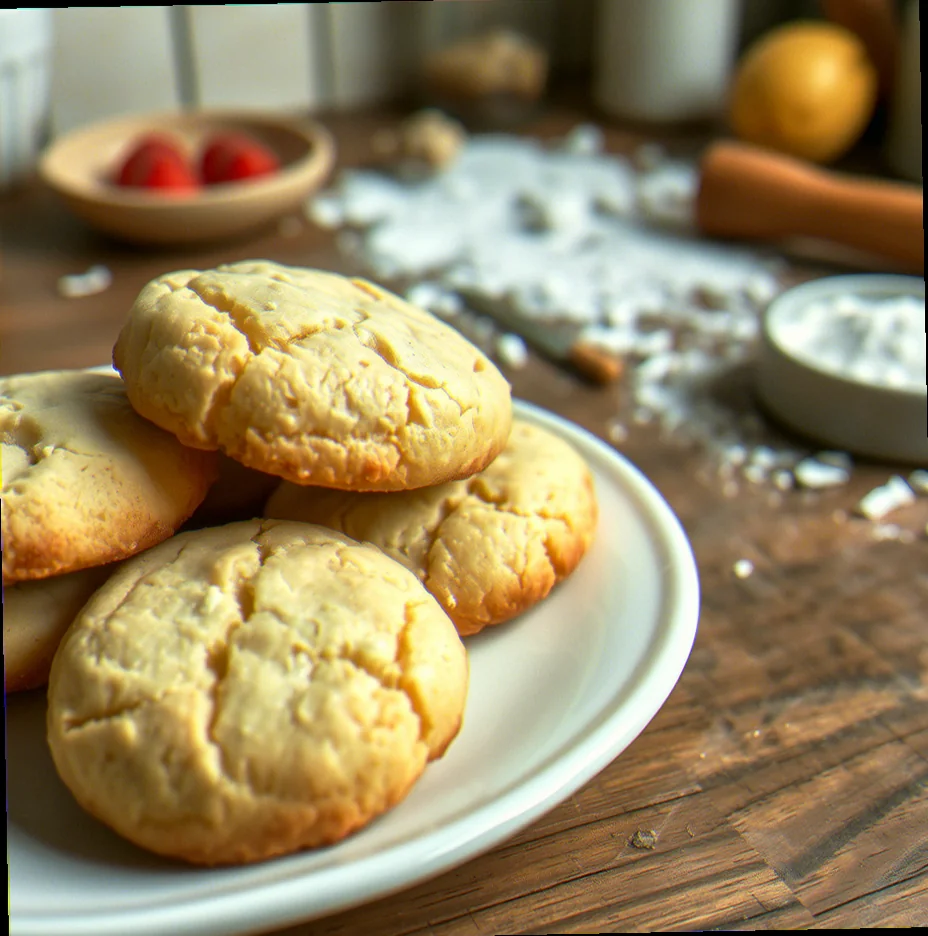
The delicate crunch giving way to a tender, melt-in-your-mouth interior, imbued with the warm, floral perfume of pure vanilla, defines a perfect Vanilla cookie. Hailing from the heart of American baking traditions, this seemingly simple cookie hinges on two crucial elements: the quality of your vanilla extract and the precise temperature of your oven. Mastering these ensures a cookie that's both comforting and elegantly refined.
Quick Reference
| Field | Detail |
|---|---|
| Dish | Vanilla cookie |
| Origin | American baking tradition |
| Hero ingredients | Unsalted butter, Granulated sugar, Pure vanilla extract |
| Defining technique | Creaming |
| Texture | Crisp, Tender |
| Flavour | Sweet, Floral, Buttery |
| Total time | 45 minutes |
| Servings | 24 cookies |
| Pairs with | Cold milk |
| Occasion | Afternoon tea |
Ingredients - What Actually Matters and Why
The foundation of any exceptional vanilla cookie rests on the quality of its core components. Unsalted butter is paramount, providing richness and structure, its fat content crucial for achieving that desirable crisp exterior and tender crumb. Granulated sugar not only sweetens but also contributes to spread and crispness, its crystalline structure aiding in achieving the perfect texture. Finally, pure vanilla extract is the star of the show; it's not merely a flavouring but an aromatic essence that elevates the entire cookie from ordinary to extraordinary, imparting its signature floral notes.
- Unsalted butter - 1 cup (227g), softened - Provides richness, aids in creaming, and contributes to texture.
- Granulated sugar - 1 cup (200g) - Sweetens, contributes to crispness, and helps with spread.
- Pure vanilla extract - 2 teaspoons - The aromatic soul of the cookie, providing floral and sweet notes.
- Large eggs - 2 - Bind ingredients and add richness.
- All-purpose flour - 2 ½ cups (315g) - Provides structure.
- Baking soda - ½ teaspoon - Aids in leavening and spread.
- Salt - ¼ teaspoon - Balances sweetness and enhances flavour.
Method: Creaming Step by Step
The creaming method is central to achieving the ideal texture by incorporating air into the dough, which results in lighter, more tender cookies.
- Cream - Butter and Sugar: In a large bowl, beat the softened unsalted butter and granulated sugar with an electric mixer on medium speed until light and fluffy, about 3-5 minutes. The mixture should be pale yellow and visibly aerated.
- Beat - In Eggs and Vanilla: Add the eggs one at a time, beating well after each addition. Stir in the pure vanilla extract until just combined. The mixture will look slightly curdled at this stage, which is normal.
- Combine - Dry Ingredients: In a separate medium bowl, whisk together the all-purpose flour, baking soda, and salt.
- Incorporate - Flour Mixture: Gradually add the dry ingredients to the wet ingredients, mixing on low speed until just combined. Be careful not to overmix. The dough should start to pull away from the sides of the bowl.
- Chill - Dough: Cover the bowl with plastic wrap and refrigerate for at least 30 minutes. This step is crucial for preventing excessive spreading during baking.
- Preheat - Oven: Preheat your oven to 175°C (350°F). Line baking sheets with parchment paper.
- Portion - Cookie Dough: Drop rounded tablespoons of chilled dough onto the prepared baking sheets, spacing them about 5cm (2 inches) apart.
- Bake - Cookies: Bake for 10-12 minutes, or until the edges are lightly golden brown and the centers appear set but not deeply colored. They will continue to firm up as they cool.
- Cool - On Baking Sheets: Let the cookies cool on the baking sheets for 2-3 minutes before transferring them to a wire rack to cool completely.
- Finish and plate: Arrange the cooled cookies on a serving platter, showcasing their uniform golden hue and slightly irregular edges, a testament to their homemade charm.
Authentic vs Adapted: What Changes and What Doesn't
Authentic American vanilla cookies, often found gracing the tables during casual gatherings and holidays, are typically characterized by their straightforward preparation, relying on butter, sugar, flour, eggs, and vanilla. The defining technique is the creaming of butter and sugar to introduce air, leading to a crisp yet tender result. The visual is a simple, slightly golden disc. This recipe stays true to the core of the traditional vanilla cookie by maintaining the creaming method and the fundamental ingredient ratios. Adaptations that fundamentally alter the dish would involve significantly changing the fat source (e.g., using oil instead of butter, which impacts texture and flavour), or introducing strong spices that overpower the delicate vanilla. Variations in sugar type can subtly alter crispness, but the use of pure vanilla extract and the creaming process are non-negotiable for achieving the intended identity.
Substitutions That Work (and Ones That Don't)
- Pure vanilla extract → Vanilla bean paste: This is an excellent swap, offering a slightly more intense vanilla flavour with visible flecks. The texture and flavour impact are minimal and positive.
- Pure vanilla extract → Imitation vanilla extract: While it will provide vanilla flavour, imitation extract lacks the complex floral notes and depth of pure vanilla. Expect a less nuanced and slightly artificial taste.
- For dietary needs - Vegan: Substitute vegan butter sticks for unsalted butter, and use a flax egg (1 tbsp flaxseed meal + 3 tbsp water, let sit for 5 mins) or commercial egg replacer for the eggs. The texture might be slightly less tender.
- For dietary needs - Gluten-free: Use a 1:1 gluten-free all-purpose flour blend. You may need to add a touch more liquid or let the dough rest longer to hydrate the flour blend properly. The crispness might be slightly reduced.
- Budget swap - Granulated sugar → Brown sugar (half and half): Replacing half the granulated sugar with light brown sugar will introduce a hint of caramel flavour and make the cookies slightly chewier. The crispness will be reduced.
What to Serve Alongside [Primary Dish Entity]
Vanilla cookies are a delightful component of an American afternoon tea spread, often appearing alongside other simple yet comforting baked goods like shortbread and sugar cookies. These share a similar focus on buttery richness and delicate sweetness. For a beverage, the classic pairing is a tall, cold glass of milk. The creamy richness of the milk beautifully complements the buttery, sweet notes of the vanilla cookie, while its coolness provides a refreshing contrast to the cookie's subtle warmth and crisp texture.
Troubleshooting: Why Your Vanilla Cookie Went Wrong
Symptom: Cookies spread too thin and became greasy. Cause: The butter was too soft, or the dough was not chilled sufficiently. Overmixing the dough can also develop gluten, leading to spread. Fix: Ensure your butter is softened, not melted. Chill the dough for at least 30 minutes, or even longer if your kitchen is warm. Mix the dry ingredients into the wet ingredients only until just combined.
Symptom: Cookies are hard and crumbly instead of tender. Cause: Overmixing the flour, or using too much flour. Too much leavening can also contribute to a dry texture. Fix: Mix the flour mixture on low speed and stop as soon as streaks of flour disappear. If you don't have a mixer, stir gently with a spatula. Measure flour by weight or by spooning it into the cup and leveling it off, rather than scooping directly from the bag.
Symptom: Cookies lack vanilla flavour or taste bland. Cause: Using imitation vanilla extract, or not enough pure vanilla extract. Fix: Always opt for pure vanilla extract. If you find your cookies consistently bland, consider increasing the amount of pure vanilla extract by ¼ to ½ teaspoon, ensuring you still balance it with the other flavours.
Make-Ahead and Storage
Yes, you can absolutely prepare the vanilla cookie dough the night before. Once the dough is made, cover it tightly with plastic wrap and refrigerate for up to 2 days. This is an excellent way to get ahead of your baking. When ready to bake, allow the dough to sit at room temperature for about 10-15 minutes if it's very firm, or until it's scoopable. Once baked and completely cooled, store vanilla cookies in an airtight container at room temperature for up to 5 days. They maintain their crispness best when kept away from humidity.
Recipe Questions Answered
What makes Vanilla cookie different from Shortbread?
While both are buttery cookies, vanilla cookies typically contain eggs and a leavening agent like baking soda, contributing to a lighter, crisper texture and a more pronounced rise. Shortbread, on the other hand, traditionally relies on a higher fat ratio (butter to flour) and fewer ingredients, resulting in a denser, more crumbly, and less sweet cookie with a deeper, pure butter flavour.
Can I make Vanilla cookie recipe without an electric mixer?
Absolutely! While an electric mixer makes the creaming process easier and more efficient, you can achieve excellent results by hand. Use a sturdy whisk or a wooden spoon and a robust mixing bowl. Cream the softened butter and sugar vigorously for several minutes until light and fluffy, then incorporate the eggs and vanilla. For adding the dry ingredients, a spatula or wooden spoon works well, mixing just until combined.
How do I scale Vanilla cookie recipe for a crowd?
To scale this recipe for a crowd, multiply all ingredient quantities proportionally. For example, to double the recipe, use 2 cups of butter, 2 cups of sugar, and so on. The baking time should remain relatively consistent, but keep a close eye on the cookies as they bake, as ovens can vary. You may need to bake in batches depending on the size of your baking sheets and oven capacity. Ensure you have enough baking sheets to facilitate efficient baking.