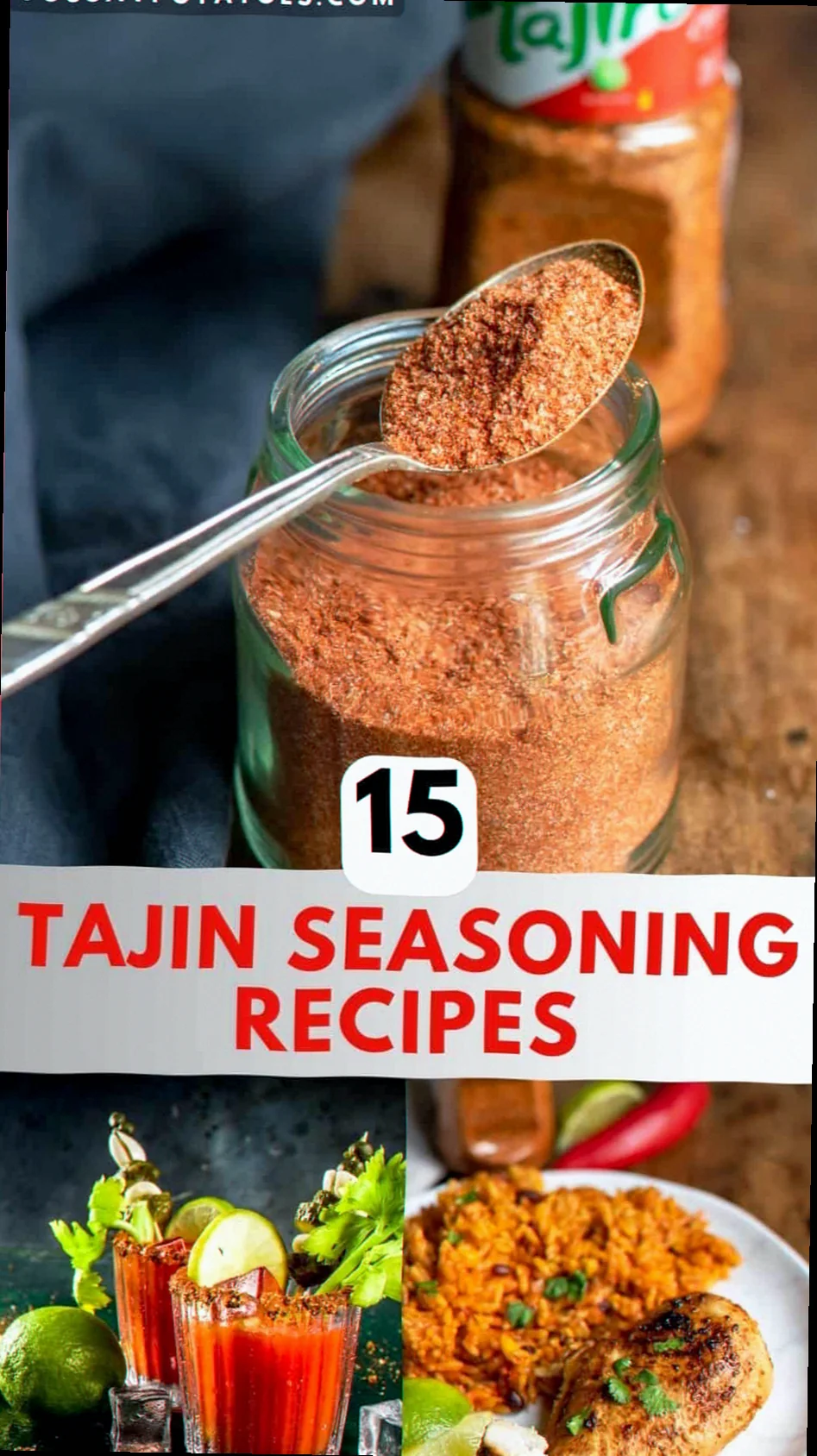
Biting into a slice of chilled jicama dusted with a homemade Tajín recipe offers an immediate sensory explosion where the sharp, piquant heat of toasted Guajillo chiles meets the electric, crystalline tang of lime. Originating from the vibrant culinary landscape of Jalisco, Mexico, this iconic "salsa en polvo" (powdered sauce) relies on the precise balance of acidity, salinity, and mild capsaicin. To master this blend, one must prioritize the thorough dehydration of citrus elements and the careful calibration of chile ratios to ensure a finish that is vibrantly red, granular in texture, and bracingly zesty.
Quick Reference
| Field | Detail |
|---|---|
| Dish | Tajín (Chili-Lime Seasoning) |
| Origin | Mexico (Jalisco region) |
| Hero ingredients | Guajillo chiles, lime juice/citric acid, sea salt |
| Defining technique | Dehydration and Pulverization |
| Texture | Granular, crystalline |
| Flavour | Zesty, saline, mildly piquant |
| Total time | 45 minutes (plus optional drying time) |
| Servings | Makes approximately 1 cup |
| Pairs with | Michelada (Mexican beer cocktail) |
| Occasion | Summer snacks, street food, cocktail garnishing |
Ingredients - What Actually Matters and Why
Each component in this Tajín recipe serves a structural and chemical purpose; the Guajillo chiles provide the essential brick-red pigment and earthy base without overwhelming the palate with heat, while the citric acid acts as the shelf-stable vehicle for the lime's characteristic "zing." High-quality sea salt is non-negotiable, as its larger crystal structure provides the essential abrasive texture that allows the seasoning to cling to the surface of wet fruits and vegetables.
- Guajillo chiles - 10 large pods, stemmed and seeded - These provide the deep, reddish-brown hue and a mild, tea-like smokiness that defines the seasoning's body.
- Citric acid or dehydrated lime juice - 2 tablespoons - This is the primary acid entity; it provides the sharp, mouth-watering sourness that fresh lime zest alone cannot replicate in a dry format.
- Sea salt - 3 tablespoons, coarse - Beyond seasoning, the salt acts as a desiccant and provides the necessary "crunch" against the soft texture of fruit.
- Chile de Árbol - 2 to 3 pods, optional - Added to increase the Scoville heat units for those who prefer a more aggressive piquant profile.
- Lime zest - From 4 fresh limes - Contributes essential oils and a floral citrus aroma that complements the sharp bite of the citric acid.
- Sugar (optional) - 1 teaspoon - A minute amount can help balance the harshness of the acid, though it is not traditional in all Jalisco variations.
Method: Dehydration and Pulverization Step by Step
The sequence of operations is designed to remove all moisture from the organic matter before blending, preventing the final powder from clumping into a paste and ensuring a shelf-stable, free-flowing result.
- Toast - Prepare the chiles: Heat a dry cast-iron skillet over medium heat and press the Guajillo pieces against the hot surface for 30 seconds per side until they release a toasted, nutty aroma and become slightly brittle; do not allow them to blacken or they will turn bitter.
- Dehydrate - Dry the lime zest: Spread the fresh lime zest on a parchment-lined baking sheet and place in an oven at its lowest setting (usually 60°C to 75°C) for 20 minutes until the zest is completely dry to the touch and snaps when bent.
- Pulverize - Grind the base: Place the toasted chiles into a high-speed spice grinder or blender and pulse until they reach a coarse, flaky consistency resembling small red scales.
- Incorporate - Blend the crystals: Add the sea salt, citric acid, and dried lime zest to the grinder; pulse three to four times just until the ingredients are integrated but the salt still retains some of its granular, crystalline structure.
- Aerate - Sift and cool: Spread the finished mixture onto a flat plate for 10 minutes to allow any residual heat from the friction of the blades to dissipate, preventing moisture buildup in the storage container.
- Finish and plate: Transfer the vibrant red dust into a glass shaker; when served over mango or cucumber, the seasoning should look like a dusting of ruby crystals that sparkle under the light.
Authentic vs Adapted: What Changes and What Doesn't
In the Mexican state of Jalisco, where the commercial Tajín brand was founded in 1985, the "authentic" flavour profile is rooted in the "salsa en polvo" tradition. A truly authentic version focuses on the Guajillo chile specifically because of its low heat and high pigment. Many adapted recipes found outside of Mexico mistakenly use generic "chili powder," which often contains cumin, garlic, and oregano-ingredients that are strictly absent from a true Tajín recipe. The adaptation in this recipe using citric acid is actually more "authentic" to the commercial experience than using only lime zest, as citric acid provides the specific chemical "pop" and shelf stability required for the seasoning to function as a condiment. However, substituting the Guajillo for a smoky Chipotle would fundamentally change the dish's identity from a bright, zesty snack enhancer to a heavy, barbecue-style rub.
Substitutions That Work (and Ones That Don't)
- Citric acid → Sumac: If you cannot find citric acid, sumac offers a similar tart, astringent quality, though the colour will be more purple and the flavour more floral than sharp.
- Guajillo chiles → Ancho chiles: This results in a darker, sweeter, and more raisin-like flavour profile; it is a successful substitution but lacks the bright red "pop" of the original.
- For dietary needs - Low Sodium: Replace half of the sea salt with potassium chloride or increase the citric acid and lime zest by 20% to compensate for the loss of flavour enhancement.
- Budget swap: Using pre-ground "mild paprika" instead of whole dried chiles is a cheaper alternative, but the flavour will be significantly flatter and lack the complex toasted notes of freshly pulverized pods.
What to Serve Alongside a Tajín Recipe
To experience the full breadth of this seasoning's utility, it should be paired with dish entities that offer high water content and natural sweetness. The classic pairing is Elote (Mexican street corn), where the creaminess of the mayo and the saltiness of the Cotija cheese are cut by the acidity of the chili-lime dust. It is also the essential component for Mangonadas-a frozen mango slushy where the Tajín provides a necessary counterpoint to the sugary fruit. To complete the experience, pair these snacks with a Michelada. This beer-based cocktail, made with a crisp Mexican lager, tomato juice, and lime, uses the Tajín recipe as a glass rimmer; the salinity of the rim enhances the malt of the beer while the chili heat prepares the palate for the cold, refreshing liquid.
Troubleshooting: Why Your Tajín Went Wrong
If your seasoning has turned into a sticky, clumpy mass, the cause is residual moisture in the lime zest or the chiles. To fix this, spread the mixture on a tray and dehydrate it in a low oven for 15 minutes, then re-grind once cooled. If the blend tastes unpleasantly bitter, you likely scorched the chiles during the toasting phase; unfortunately, bitterness cannot be removed, and you must start over with a lighter toast. Finally, if the heat is overwhelming the lime, your ratio of seeds to chile flesh was too high. Sift the mixture through a fine-mesh strainer to remove the smaller, spicier seeds and add an extra tablespoon of citric acid to re-balance the flavour profile toward the zesty end of the spectrum.
Make-Ahead and Storage
This Tajín recipe is designed for long-term use. Because it consists of dehydrated entities, it can be prepared weeks in advance. Store the blend in an airtight glass jar in a cool, dark cupboard; avoid plastic containers which can absorb the oils from the chiles. When stored at room temperature (approximately 20°C), the seasoning will maintain its peak potency for up to three months. If you are prepping this the night before a large event, ensure the jar is tightly sealed to prevent the salt from absorbing atmospheric humidity, which would ruin the granular texture. Do not refrigerate, as the condensation upon opening the jar will cause the citric acid to clump.
Recipe Questions Answered
What makes Tajín recipe different from standard chili powder?
Standard American chili powder is a blend of spices including cumin, garlic, and salt, intended for cooking in stews. Tajín is a "salsa en polvo" specifically designed as a finishing salt, defined by its high acid-to-chile ratio and the total absence of savory spices like cumin or oregano.
Can I make Tajín recipe without a spice grinder?
Yes, you can use a traditional Mexican molcajete (mortar and pestle). This will result in a more rustic, uneven texture which many artisans prefer, as the larger flakes of chile provide a more varied sensory experience than the uniform dust produced by a machine.
How do I scale Tajín recipe for a crowd?
When scaling up, the ratio of chiles and salt remains linear, but you should slightly reduce the citric acid (increase by 0.75x for every 1x increase in volume) and taste as you go. Large batches generate more heat during the grinding process, so you must pulse the blender in short bursts to avoid "cooking" the oils in the chiles, which would lead to clumping.