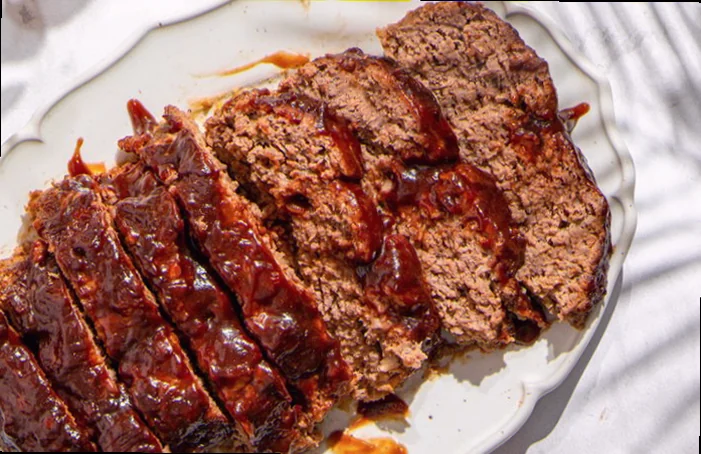
The magic of a well-executed barbecue meatloaf lies in the delicate dance between protein denaturation and fat rendering. As the ground meat cooks, the long, fibrous muscle proteins unravel and then re-form a cohesive network, trapping moisture and creating a tender, yielding structure. Simultaneously, the intramuscular fat melts, basting the meatloaf from within and contributing a rich, savoury mouthfeel that is amplified by the smoky, sweet char of the barbecue glaze. This interplay of protein structure and fat distribution is the hallmark of a successful barbecue meatloaf, a comforting classic originating from American comfort food traditions.
Complete Recipe Overview
| Property | Detail |
|---|---|
| Dish entity | Barbecue Meatloaf |
| Cuisine origin | American Comfort Food |
| Defining technique | Baking with Glazing |
| Hero ingredients | Ground Beef, Barbecue Sauce, Breadcrumbs |
| Critical ratio | Lean-to-Fat Ratio in Ground Meat (approx. 80:20) |
| Prep time | 20 minutes |
| Cook time | 60-75 minutes at 175°C |
| Rest / chill time | 10 minutes |
| Yield | 6-8 servings |
| Difficulty | Easy - requires minimal technical skill, primarily assembly and baking. |
Ingredients: Quantities, Roles, and Critical Ratios
The success of barbecue meatloaf hinges on a balanced blend of ingredients that contribute to both flavour and structure. The critical ratio of lean-to-fat content in the ground beef (ideally 80:20) is paramount; the fat melts during baking, providing moisture and tenderness, while the lean meat forms the structural backbone. Breadcrumbs act as a binder and a sponge, absorbing excess moisture and preventing the meatloaf from becoming too dense. The barbecue sauce not only imparts a signature sweet and tangy flavour profile but also contributes moisture and aids in the caramelization of the exterior during baking.
- Ground Beef (80% lean, 20% fat) - 900g - Role: The primary structural protein and fat source, crucial for richness and binding.
- Barbecue Sauce - 240ml, divided - Role: Flavouring agent, moisture provider, and essential for the signature glaze.
- Breadcrumbs (plain or panko) - 120g - Role: Binder, moisture absorbent, contributes to a tender texture.
- Egg, large - 2 units - Role: Emulsifier, binding the ingredients together to prevent crumbling.
- Onion, finely chopped - 150g - Role: Adds aromatic depth and moisture.
- Garlic, minced - 2 cloves (approx. 6g) - Role: Enhances savoury flavour.
- Worcestershire Sauce - 30ml - Role: Adds umami complexity and depth of flavour.
- Salt - 10g - Role: Enhances all other flavours.
- Black Pepper, freshly ground - 3g - Role: Adds a touch of pungency.
The Science of Fat Rendering and Protein Coagulation
The structural integrity and succulence of barbecue meatloaf are a direct result of complex biochemical transformations occurring during baking. The 80:20 lean-to-fat ratio in the ground beef is foundational. As the meatloaf heats, the intramuscular fat, composed primarily of triglycerides, begins to melt. This rendered fat, a liquid at cooking temperatures, permeates the meat, lubricating the protein strands and preventing them from becoming tough and dry. Simultaneously, the heat denatures the muscle proteins (myosin and actin). These proteins, initially coiled, unravel and then coagulate, forming a three-dimensional network. This network traps the rendered fat and any other moisture present (from the egg, vegetables, and sauces), creating the characteristic tender, sliceable texture of a well-made meatloaf. Without sufficient fat, the protein network can become too dense and dry; too much fat, and the meatloaf can become greasy and fall apart. The Maillard reaction, occurring at the surface of the meatloaf and particularly on the glazed exterior, generates hundreds of complex flavour compounds and contributes to the appealing brown crust.
Method: Baking and Glazing at Every Critical Stage
This method prioritizes gentle cooking and strategic glazing to achieve a moist interior and a flavourful, caramelized crust.
- Preheat Oven - Oven Preparation: Preheat your oven to 175°C. Line a baking sheet with parchment paper or foil, or use a loaf pan. This ensures even heat distribution and easy cleanup.
- Combine Ingredients - Gentle Mixing: In a large bowl, combine the ground beef, 180ml of barbecue sauce, breadcrumbs, egg, chopped onion, minced garlic, Worcestershire sauce, salt, and pepper. Mix gently with your hands until just combined. Overmixing can toughen the meat.
- Form Loaf - Shaping for Even Cooking: Gently shape the mixture into a freeform loaf on the prepared baking sheet, or press it into a loaf pan. Aim for a uniform thickness to ensure even cooking.
- Initial Bake - Setting the Structure: Bake the meatloaf for 40 minutes at 175°C. This initial bake allows the protein network to begin to set and the fat to start rendering.
- Glaze Application - Flavor Infusion and Caramelization: Remove the meatloaf from the oven. Generously brush the remaining 60ml of barbecue sauce over the top and sides of the meatloaf.
- Final Bake - Achieving the Perfect Glaze: Return the meatloaf to the oven and bake for another 20-35 minutes, or until the internal temperature reaches 71°C on an instant-read thermometer. The glaze should be bubbly and slightly caramelized.
- Rest Loaf - Non-negotiable Moisture Redistribution: Remove the meatloaf from the oven and let it rest for at least 10 minutes before slicing. This allows the juices, which have been pushed to the center during cooking, to redistribute throughout the loaf, resulting in a more moist and tender final product.
- Slice and Serve - Presentation Guidance: Slice the rested meatloaf into thick portions. Serve hot, with extra barbecue sauce on the side if desired.
Cultural and Historical Context of American Comfort Food
The meatloaf, in its various forms, is a quintessential dish of American comfort food, with roots tracing back to European meat dishes that were adapted and simplified for home cooks. Its development in the United States gained traction in the early 20th century, becoming a popular way to stretch more economical cuts of meat and utilize leftovers. During times of economic hardship, such as the Great Depression, meatloaf was a staple for its affordability and filling nature. The addition of barbecue sauce as a glaze is a more modern adaptation, reflecting the pervasive popularity of barbecue flavours across American cuisine. This evolution speaks to the dish's adaptability and its enduring appeal as a hearty, approachable meal.
Variations Across Midwest and Southern United States
- Midwestern Meatloaf - Often features a ketchup-based glaze and may include finely diced vegetables like carrots and celery mixed into the loaf itself for added texture and flavour. The emphasis is on a dense, cohesive structure.
- Southern Barbecue Meatloaf - Frequently incorporates ingredients like chopped bell peppers, a touch more spice in the sauce, and sometimes a topping of bacon. The barbecue sauce here often leans towards a tangier, vinegar-based profile.
- Vegetarian Meatloaf - Achieved by substituting ground meat with a mixture of lentils, mushrooms, walnuts, and breadcrumbs. The binding and flavour profiles are adjusted with ingredients like soy sauce, nutritional yeast, and vegetable broth, sacrificing the rendered fat characteristic but retaining the comforting shape and texture.
- Gourmet Meatloaf - Modern adaptations might incorporate ingredients like finely ground pork, veal, or a blend of exotic mushrooms, and utilize more complex glazes made with balsamic vinegar, fig preserves, or even a coffee rub. These variations elevate the dish but may move away from its humble origins.
Storage, Freezing, and Reheating Barbecue Meatloaf
Cooked barbecue meatloaf can be stored for up to 3-4 days in the refrigerator. For optimal quality, allow the meatloaf to cool completely before wrapping it tightly in plastic wrap or storing it in an airtight container. Cooked meatloaf freezes exceptionally well for up to 2-3 months. Wrap individual portions tightly in plastic wrap, then in aluminum foil, or place in freezer-safe bags. To reheat, thaw overnight in the refrigerator. Reheat slices in a preheated oven at 160°C for 15-20 minutes, or until heated through. Alternatively, reheat gently in a skillet over medium-low heat with a splash of water or extra barbecue sauce. While freezing and reheating are possible, some slight moisture loss and a minor textural shift (a touch less firm) are to be expected, but the flavour remains largely intact.
Pairing Barbecue Meatloaf: Sides, Sauces, and Drinks
Classic accompaniments for barbecue meatloaf include creamy mashed potatoes, which provide a soft, yielding contrast to the meatloaf's texture and a neutral base for the rich flavours. Roasted vegetables, such as Brussels sprouts or green beans, offer a slightly sweet and earthy counterpoint. If serving with a tangier barbecue sauce, a dollop of creamy coleslaw can provide a refreshing acidity. For a beverage pairing, a medium-bodied Zinfandel or a fruity Merlot works well, its fruit notes complementing the sweetness of the barbecue sauce, while its moderate tannins can cut through the richness of the meat. A crisp, lager-style beer also offers a clean, refreshing contrast.
Answers to the Most-Searched Questions About Barbecue Meatloaf
What temperature should Barbecue Meatloaf be cooked at - and how do I know it's done?
Barbecue meatloaf should be cooked at 175°C. It is done when an instant-read thermometer inserted into the thickest part of the loaf registers an internal temperature of 71°C. Visually, the exterior should be caramelized, and any juices that run clear when pierced indicate doneness.
What is the difference between Barbecue Meatloaf and a classic Meatloaf?
The primary difference lies in the glaze and flavour profile. A classic meatloaf might be topped with a simple ketchup glaze or have seasonings mixed directly into the meat, focusing on savoury and aromatic notes. Barbecue meatloaf specifically incorporates barbecue sauce, either as a glaze or mixed into the loaf, imparting its signature sweet, tangy, and often smoky flavour profile.
Can Barbecue Meatloaf be made in advance, and does it freeze well?
Yes, barbecue meatloaf can absolutely be made in advance. It can be refrigerated for up to 3-4 days and reheats well. It also freezes exceptionally well for up to 2-3 months, maintaining good flavour and texture after proper thawing and reheating. Some slight textural changes are possible but generally acceptable.