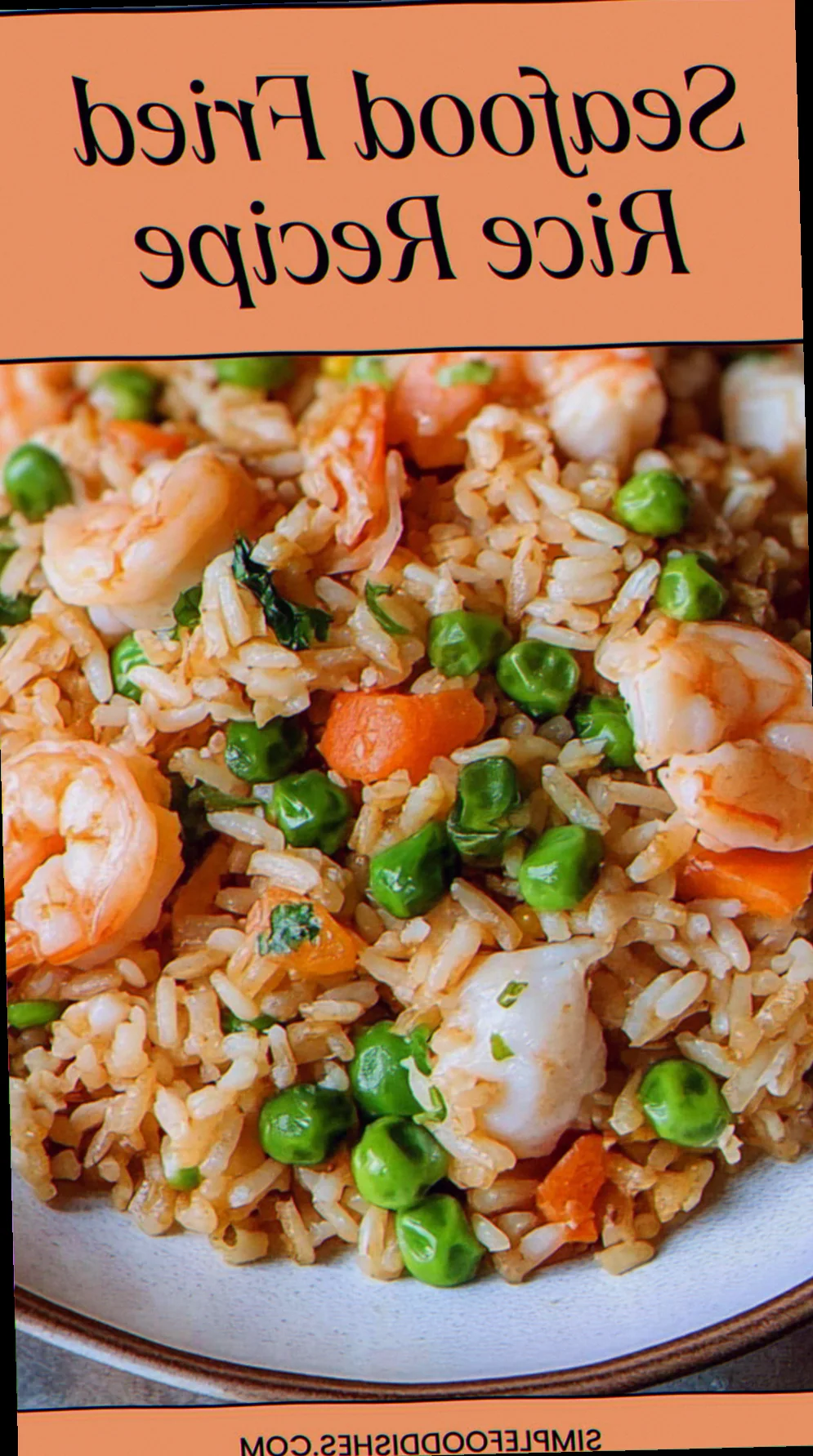
The magic of a truly remarkable Seafood Rice begins not with the first bite, but with the intricate dance of starches and proteins. As medium-grain rice simmers in a rich, aromatic broth, its amylopectin slowly leaches, creating a creamy yet distinct grain, while delicate seafood proteins coagulate just to the point of tenderness. This quintessential dish, a global culinary ambassador with roots deeply embedded in Iberian traditions, celebrates the bounty of the ocean alongside the comforting embrace of perfectly cooked rice.
Complete Recipe Overview
| Property | Detail |
|---|---|
| Dish entity | Seafood Rice (Arroz de Marisco / Arroz con Mariscos style) |
| Cuisine origin | Iberian Peninsula (Portugal/Spain) with global adaptations |
| Defining technique | Absorption cooking of rice in aromatic broth |
| Hero ingredients | Medium-grain rice, mixed fresh seafood, sofrito base |
| Critical ratio | Liquid to rice ratio (typically 2.5:1 by volume) |
| Prep time | 30 minutes |
| Cook time | 35 minutes at varying temperatures |
| Rest / chill time | 10 minutes (after cooking) |
| Yield | 4-6 servings |
| Difficulty | Medium - Requires careful timing for seafood and rice texture. |
Ingredients: Quantities, Roles, and Critical Ratios
The structural logic of this seafood rice hinges on a robust aromatic base, the controlled hydration of medium-grain rice, and the delicate integration of various seafood. The critical liquid-to-rice ratio, approximately 2.5 parts broth to 1 part rice by volume, ensures the rice absorbs maximum flavor and cooks to a tender, slightly al dente consistency without becoming mushy. This ratio is crucial for achieving the desired texture where grains remain separate yet enveloped in a flavorful sauce.
- Medium-grain Rice (e.g., Bomba, Arborio, Calasparra) - 400 grams - Role: Starch base, absorbs liquid and flavor, provides body and texture.
- Mixed Seafood - 800 grams total, cleaned and prepared (e.g., 200g large shrimp/prawns, peeled and deveined; 200g squid rings/tubes; 200g firm white fish fillets like cod or snapper, cut into 3cm pieces; 200g mussels or clams, scrubbed) - Role: Primary protein, imparts briny, umami-rich flavors.
- Fish or Seafood Broth - 1 litre (1000 ml) - Role: Cooking liquid, primary flavor vehicle for the rice, provides moisture.
- Olive Oil - 60 ml - Role: Fat for sautéing, flavor carrier.
- Onion - 1 large (approx. 200g), finely diced - Role: Aromatic base, sweetness through caramelisation.
- Garlic - 4 cloves, minced - Role: Pungent aromatic, essential flavor.
- Red Bell Pepper - 1 medium, finely diced - Role: Sweetness, color, and vegetable texture.
- Ripe Tomatoes - 2 medium (approx. 300g), grated or finely chopped (remove skins) - Role: Acidity, sweetness, umami, adds body to the sauce.
- Dry White Wine - 120 ml (e.g., Sauvignon Blanc or Pinot Grigio) - Role: Acidity, deglazing, aromatic complexity.
- Smoked Paprika (Pimentón de la Vera) - 5 grams (1 teaspoon) - Role: Earthy, smoky flavor, color.
- Saffron Threads - A generous pinch (approx. 0.1g), steeped in 60ml warm broth - Role: Distinctive floral aroma, golden color.
- Fresh Parsley - 30 grams, chopped (for garnish) - Role: Fresh herbal note, visual appeal.
- Lemon - 1, cut into wedges (for serving) - Role: Bright acidity, garnish.
- Salt and Freshly Ground Black Pepper - To taste - Role: Seasoning.
The Science of Starch Gelatinisation in Rice
The humble grain of rice undergoes a remarkable transformation during cooking, primarily due to a process called starch gelatinisation. Rice grains are composed largely of starch, a polysaccharide made up of two types of molecules: amylose and amylopectin. When dry rice is introduced to hot liquid (above 60°C), water molecules penetrate the starch granules. The hydrogen bonds holding the starch molecules together begin to weaken, causing the granules to swell and absorb water. As the temperature rises, the granules rupture, releasing amylose and amylopectin into the surrounding liquid. This process, gelatinisation, results in the thickening of the liquid and the softening of the rice grains. For medium-grain rice like Bomba or Arborio, a balanced amylose-to-amylopectin ratio allows it to absorb a significant amount of liquid (and thus flavor) without becoming overly sticky or mushy, as the amylose helps maintain grain integrity while amylopectin contributes to a creamy texture. This controlled gelatinisation is key to the distinct, al dente yet tender texture desired in a classic seafood rice, preventing it from turning into a bland, clumpy mass.
Method: Soffritto Building at Every Critical Stage
This method prioritizes developing a deep flavor base (soffritto) before introducing the rice and seafood, ensuring each component contributes optimally to the final dish.
- Sauté - Aromatics Initiation: Heat 60 ml of olive oil in a large, wide, shallow pan or paella pan over medium-low heat (approximately 160°C). Add the diced onion and red bell pepper. Sauté gently for 8-10 minutes until softened and translucent, but not browned. This slow cooking allows the natural sugars to caramelise, building a sweet foundation.
- Sauté - Garlic and Tomato Integration: Add the minced garlic and smoked paprika to the pan. Sauté for another 1-2 minutes until fragrant, being careful not to burn the garlic (it should not brown, as this can lead to bitterness). Stir in the grated tomatoes and cook for 5-7 minutes, stirring occasionally, until the mixture thickens and darkens, and the oil separates slightly. This is your critical control point for the soffritto; ensure the tomatoes are cooked down to concentrate their flavor and acidity. If it starts to stick too much, add a splash of wine or broth.
- Deglaze - Wine Introduction: Pour in the 120 ml of dry white wine. Bring to a simmer and cook for 2-3 minutes, scraping any browned bits from the bottom of the pan, until the alcohol has evaporated and the liquid has reduced by half.
- Toast - Rice Activation: Add the 400 grams of medium-grain rice to the pan. Stir constantly for 2-3 minutes, toasting the rice grains until they become slightly translucent around the edges. This helps the rice absorb liquid more evenly and prevents it from clumping.
- Simmer - Broth and Saffron Infusion: Pour in the 1 litre of warm fish or seafood broth along with the steeped saffron threads and their liquid. Season with salt and pepper. Bring the mixture to a strong simmer (around 100°C), then reduce the heat to medium-low, just enough to maintain a gentle, consistent simmer. Avoid stirring the rice too much from this point onwards, as it can release too much starch and make the dish gluey.
- Poach - Seafood Introduction (Critical Control Point): After the rice has cooked for 10 minutes (about halfway through its cooking time) and has absorbed most of the liquid, arrange the firmer seafood (squid and fish pieces) evenly over the rice. Do not stir. Cover the pan loosely with foil or a lid. Continue to cook for another 5 minutes. Then, add the shrimp/prawns and mussels/clams, nestling them into the rice. Cover again and cook for a final 5-8 minutes, or until the seafood is just cooked through (shrimp turn pink, fish flakes easily, mussels open). This is the most common failure point: overcooked seafood becomes rubbery. Remove from heat as soon as it's done.
- Rest - Flavor Integration: Turn off the heat. Keep the pan covered and let the seafood rice rest for 10 minutes. This non-negotiable step allows the rice to finish absorbing any remaining liquid, the flavors to meld, and the seafood to gently steam to perfection. Skipping this step can result in unevenly cooked rice or seafood.
- Plate and serve: Garnish generously with fresh chopped parsley. Serve immediately, directly from the pan, with lemon wedges on the side for a burst of fresh acidity that brightens the rich flavors of the dish.
Cultural and Historical Context of Iberian Seafood Rice
Seafood rice, in its myriad forms, is a culinary cornerstone of the Iberian Peninsula, particularly in Portugal and Spain, with deep roots reaching back to the Moorish introduction of rice cultivation to the region in the 8th century. While Spain boasts its iconic paella, particularly the "Paella de Marisco," Portugal offers the equally beloved "Arroz de Marisco." Both dishes share a common philosophy: combining the humble rice grain with the abundant treasures of the Atlantic and Mediterranean coasts. Historically, these dishes were often prepared communally, celebrating local catches and seasonal produce. They reflect a maritime culture where fresh seafood was readily available and rice provided a hearty, satisfying base. The evolution of seafood rice has seen it travel across the globe, especially to former Portuguese and Spanish colonies in Latin America, where "Arroz con Mariscos" is a popular and varied dish, adapting to local ingredients and culinary preferences.
Variations Across Co-occurring Cuisine or Regional Entities
- Portuguese Arroz de Marisco: This version often features a wetter, creamier consistency, almost like a soupy rice (arroz malandrinho or caldoso). It typically includes a wider variety of shellfish, sometimes incorporating fresh coriander in addition to parsley, and a generous splash of white wine. Its flavour profile often leans slightly brighter and more robustly garlicky.
- Spanish Paella de Marisco: Distinct from the Portuguese style, Spanish seafood paella aims for a drier, distinct grain, often with a coveted "socarrat" - a crispy, caramelised crust of rice at the bottom of the pan. Saffron is a non-negotiable ingredient, providing its characteristic golden hue and aroma. While similar ingredients are used, the technique emphasizes minimal stirring and a wider, shallower pan to maximize the socarrat.
- Latin American Arroz con Mariscos: In countries like Peru, Ecuador, or Colombia, this dish might incorporate annatto or aji amarillo for color and a subtle fruity heat, and often includes green peas and carrots. The seafood selection can be broader, sometimes including octopus or freshwater prawns, reflecting local availability.
- Dietary Adaptation (Vegan/Vegetarian): While challenging to replicate the seafood umami,