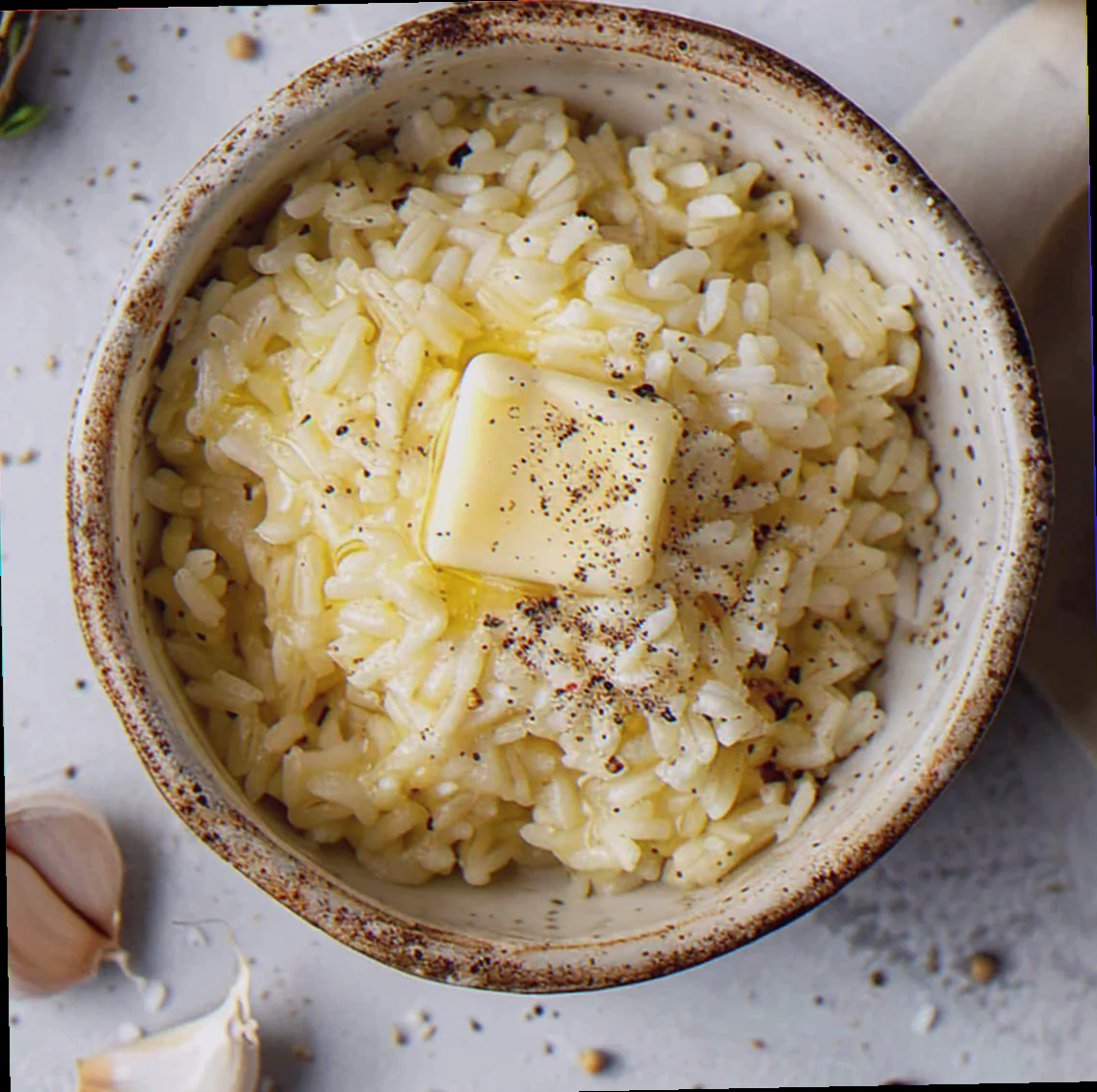
The aroma of perfectly steamed jasmine rice, subtly floral and undeniably comforting, is the cornerstone of Thai cuisine. This Rice recipe for rice cooker, a staple across Thailand and Southeast Asia, delivers that signature fluffy and slightly sticky texture every time. Achieving this relies on three key elements: the quality of your jasmine rice, the precise water ratio, and understanding how your rice cooker's heating cycle impacts the final result.
Quick Reference
| Field | Detail |
|---|---|
| Dish | Rice recipe for rice cooker (Khao Suay) |
| Origin | Thailand, Southeast Asia |
| Hero ingredients | Jasmine Rice, Water, Salt |
| Defining technique | Steaming |
| Texture | Fluffy, Slightly Sticky |
| Flavour | Floral, Subtle, Clean |
| Total time | 45 minutes |
| Servings | 4-6 |
| Pairs with | Thai Iced Tea (Cha Yen) |
| Occasion | Everyday Meal, Side Dish |
Ingredients - What Actually Matters and Why
Jasmine rice is the non-negotiable heart of this dish, lending its distinctive aroma and delicate flavour. Water, seemingly simple, is crucial for achieving the correct steam pressure and hydration. Finally, a pinch of salt enhances the natural sweetness of the rice and balances the overall flavour profile.
- Jasmine Rice - 2 cups (approximately 300g) - Provides the characteristic floral aroma and slightly sticky texture.
- Water - 2 ¼ cups (530ml) - Hydrates the rice and creates the steam necessary for cooking.
- Salt - ½ teaspoon - Enhances the flavour and balances the sweetness of the rice.
- Rinse Aid - 1 tablespoon white vinegar (optional) - Helps remove excess starch for a fluffier result.
Method: Steaming Step by Step
This method prioritizes a gentle steaming process, ensuring even cooking and preventing the rice from becoming mushy or scorched. The sequence of rinsing, soaking, and precise water measurement is critical for optimal texture.
- Rinse - the rice under cold water in a fine-mesh sieve until the water runs clear - removes excess starch, resulting in fluffier rice.
- Soak - the rinsed rice in fresh water for 30 minutes - allows the grains to absorb moisture, leading to more even cooking.
- Drain - the soaked rice thoroughly - removes excess water, preventing a sticky, overcooked result.
- Combine - the drained rice, fresh water, and salt in the rice cooker bowl - ensures even distribution of flavour and hydration.
- Stir - gently once to distribute the salt - avoids damaging the grains and ensures even seasoning.
- Cook - using the rice cooker's ‘white rice' setting - initiates the steaming process.
- Rest - for 10 minutes after the rice cooker switches to ‘warm' - allows the steam to redistribute, resulting in perfectly cooked rice.
- Fluff - gently with a rice paddle (shamoji) - separates the grains and releases any remaining steam.
- Finish and plate: Serve immediately, garnished with a sprig of cilantro or a lime wedge. The rice should be glistening, individual grains distinct yet slightly clinging together, and emitting a fragrant aroma.
Authentic vs Adapted: What Changes and What Doesn't
Traditional Thai Khao Suay (steamed rice) is cooked in a bamboo steamer over boiling water, a method that imparts a subtle bamboo flavour. The rice is always jasmine rice, and the water ratio is carefully observed. This recipe adapts the technique for the convenience of a rice cooker, a common kitchen appliance in modern Thailand. While using a rice cooker is an adaptation, maintaining the jasmine rice, the precise water ratio, and the resting period are non-negotiable for achieving an authentic flavour and texture. Substituting other rice varieties fundamentally alters the dish.
Substitutions That Work (and Ones That Don't)
- Jasmine Rice → Basmati Rice: Texture will be drier and less sticky; flavour will be nuttier, not floral. Acceptable in a pinch, but not ideal.
- Salt → Fish Sauce: Adds umami and a subtle savoury note. Use ¼ teaspoon fish sauce instead of ½ teaspoon salt.
- For dietary needs - Vegan/Gluten-Free/Dairy-Free: This recipe is naturally vegan, gluten-free, and dairy-free. No substitutions needed.
- Budget swap: Using a less expensive brand of jasmine rice will still yield a good result, though the aroma may be less pronounced.
What to Serve Alongside Rice Recipe for Rice Cooker
This rice is the perfect accompaniment to vibrant Thai curries like Green Curry (Gaeng Keow Wan Gai) or Massaman Curry (Gaeng Massaman), where its subtle flavour complements the complex spice blends. It also pairs beautifully with Pad Thai, providing a neutral base for the sweet, sour, and savoury noodles. To drink, Thai Iced Tea (Cha Yen), with its creamy sweetness and cooling effect, provides a delightful contrast to the warmth and subtle flavour of the rice. The tea's sweetness balances the savoury notes of most Thai dishes.
Troubleshooting: Why Your Rice Recipe for Rice Cooker Went Wrong
Symptom: Mushy Rice. Cause: Too much water or insufficient rinsing. Fix: Reduce water by ¼ cup next time and ensure thorough rinsing. Symptom: Hard, Undercooked Rice. Cause: Insufficient water or the rice cooker's heating element is weak. Fix: Increase water by ¼ cup next time or try a different brand of rice. Symptom: Rice Sticks to the Bottom of the Cooker. Cause: Insufficient soaking or uneven heating. Fix: Ensure a 30-minute soak and gently stir the rice once after adding water.
Make-Ahead and Storage
You can rinse and soak the rice up to 24 hours in advance. Store it submerged in fresh water in the refrigerator. Drain and proceed with the recipe as usual. Cooked rice can be stored in an airtight container in the refrigerator for up to 3 days. To reheat, add a tablespoon of water per cup of rice and microwave for 1-2 minutes, or until heated through. Avoid prolonged reheating, as it can compromise the fluffy texture.
Recipe Questions Answered
What makes Rice recipe for rice cooker different from Sticky Rice (Khao Niao)?
While both use rice, Khao Niao (sticky rice) uses a different variety of rice - glutinous rice - and is traditionally steamed in a bamboo basket, resulting in a much stickier, almost gluey texture. This recipe uses jasmine rice and a rice cooker, yielding a fluffy, slightly sticky result, ideal for accompanying curries and stir-fries.
Can I make Rice recipe for rice cooker without a rice cooker?
Yes, you can! Use a heavy-bottomed pot with a tight-fitting lid. Bring the water and rice to a boil, then reduce heat to low, cover, and simmer for 15-20 minutes. The texture may be slightly less consistent, but the flavour will be similar.
How do I scale Rice recipe for rice cooker for a crowd?
You can double or triple the recipe, but be mindful of your rice cooker's capacity. Do not exceed the maximum fill line. The water ratio remains constant (2 ¼ cups water per 2 cups rice). For larger batches, you may need to increase the cooking time slightly.