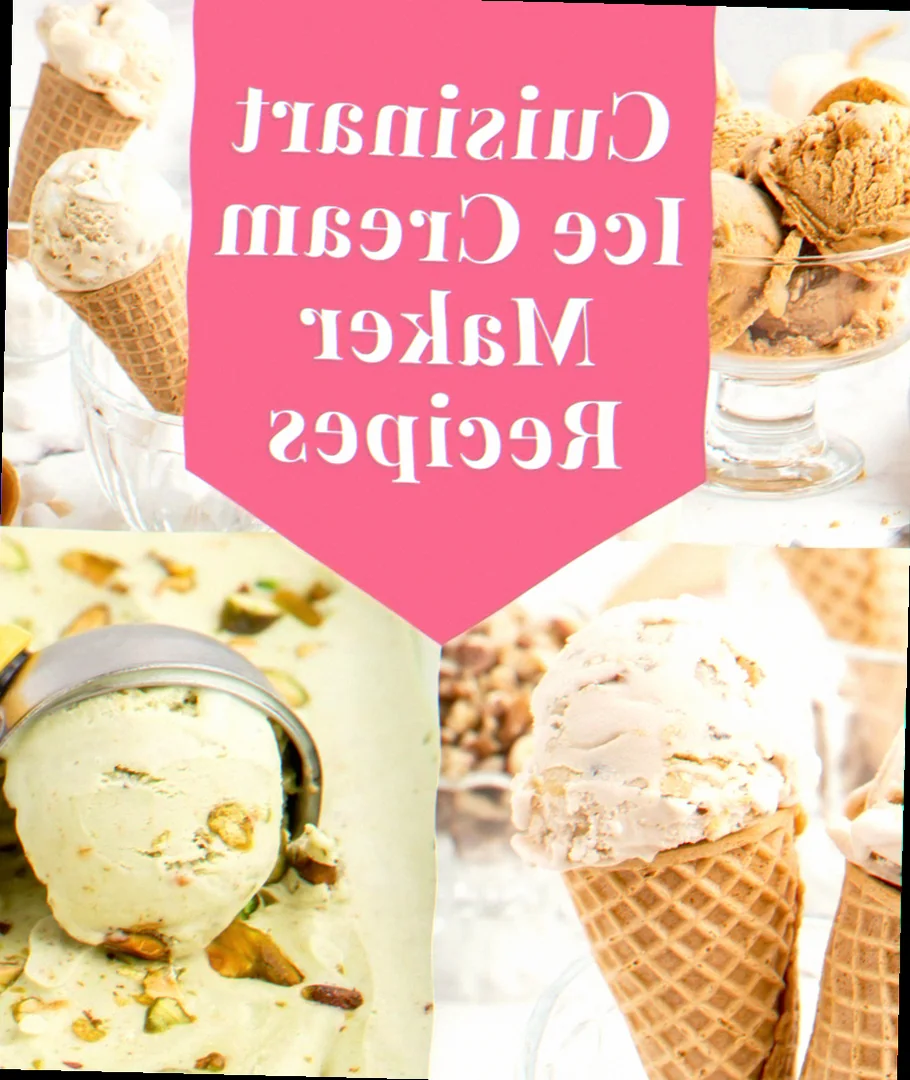
The transformation of a liquid custard into a velvety solid-foam within a Cuisinart ice cream maker relies on the precise thermodynamics of heat extraction and the simultaneous incorporation of atmospheric air. This process, known as French-style custard ice cream production, involves the destabilisation of milk-fat globules and the formation of a complex matrix where ice crystals, air bubbles, and concentrated sugar syrup coexist in a delicate equilibrium. By utilizing a double-insulated freezer bowl containing a saline or urea-based coolant, the device facilitates rapid heat transfer, ensuring that ice crystals remain microscopic and the resulting mouthfeel remains exceptionally smooth.
Complete Recipe Overview
| Property | Detail |
|---|---|
| Dish entity | French-Style Vanilla Bean Ice Cream |
| Cuisine origin | France (18th Century Culinary Tradition) |
| Defining technique | Churned Aeration (Overrun Management) |
| Hero ingredients | Heavy Cream (36% fat), Egg Yolks, Sucrose |
| Critical ratio | 2:1 (Heavy Cream to Whole Milk by volume) |
| Prep time | 30 minutes |
| Cook time | 15 minutes (at 82°C) |
| Rest / chill time | 6 to 24 hours (Maturation phase) |
| Yield | Approx. 1.2 Litres |
| Difficulty | Medium - Requires precise temperature control during custard tempering to prevent protein coagulation. |
Ingredients: Quantities, Roles, and Critical Ratios
The structural integrity of ice cream produced in a Cuisinart ice cream maker depends on the ratio of fat to water and the concentration of solutes. A 2:1 ratio of heavy cream to milk ensures a total milk-fat content of approximately 18-20%, which is essential for a premium "super-premium" texture. Sugar acts not just as a sweetener, but as a freezing point depressant, ensuring the scoop remains soft at -18°C.
- Heavy Cream (36% Fat) - 500ml - Role: Provides the lipid phase for fat globule clusters; creates a rich mouthfeel.
- Whole Milk (3.5% Fat) - 250ml - Role: Provides the aqueous phase and milk-solids-not-fat (MSNF) like lactose and proteins.
- Egg Yolks (Large) - 120g (approx. 6 yolks) - Role: Provides lecithin for emulsification and proteins for structural stability.
- Caster Sugar (Sucrose) - 150g - Role: Depresses the freezing point and controls the "hardness" of the final product.
- Vanilla Bean (Tahitian or Bourbon) - 1 whole pod (split and scraped) - Role: Primary aromatic entity.
- Sea Salt - 1g - Role: Flavour enhancer and subtle electrolyte for freezing point modulation.
The Science of Emulsification and Fat Crystallisation
The success of Cuisinart ice cream maker recipes hinges on the biochemistry of the egg yolk and the physics of the "aging" process. Egg yolks contain lecithin, a phospholipid that acts as a powerful emulsifier. In the ice cream base, lecithin molecules position themselves at the interface between water and fat, with their hydrophobic tails buried in fat globules and their hydrophilic heads in the water. This prevents the fat from separating during the heating phase. However, during the "maturation" or chilling phase (at 4°C), a secondary process occurs: the milk fat begins to crystallise. These small fat crystals partially protrude from the globules. When the Cuisinart paddle (dasher) begins to rotate, it creates shear force that causes these globules to "partial-coalesce," trapping air bubbles and creating the stable foam structure we recognise as ice cream. Without this 6-hour maturation, the fat cannot crystallise sufficiently, leading to a weak structure and rapid melting.
Method: Churning and Thermal Management at Every Critical Stage
The sequence is optimised to maximise flavour infusion while ensuring a smooth, non-gritty texture through controlled crystal growth.
- Infuse - The Steeping Stage: Combine 250ml milk, 150g sugar, salt, and the vanilla bean in a saucepan. Heat to 70°C while stirring until sugar dissolves. Sensory cue: Small bubbles forming at the edges and a potent vanilla aroma.
- Temper - Critical Control Point 1: Whisk the 120g egg yolks in a separate bowl. Slowly drizzle 100ml of the hot milk mixture into the yolks while whisking constantly. This raises the yolk temperature gradually. Failure to do this results in "scrambled eggs" due to sudden protein denaturing.
- Thicken - The Custard Base: Return the tempered yolks to the saucepan. Heat over medium-low, stirring constantly with a silicone spatula until the mixture reaches exactly 82°C. Sensory cue: The liquid will coat the back of a spoon (the nappe stage). Do not exceed 85°C or the sulfur bonds in the eggs will break, creating an "eggy" off-flavour.
- Strain and Chill - The Maturation Stage: Strain the custard through a fine-mesh sieve into the 500ml of cold heavy cream. Stir well. Cover and refrigerate for at least 6 hours at 4°C. This is non-negotiable for fat crystallisation and hydration of milk proteins.
- Freeze - Critical Control Point 2: Ensure the Cuisinart freezer bowl has been at -18°C for at least 24 hours. Turn the machine on before pouring the base in. Churn for 15-25 minutes. Sensory cue: The mixture should have the consistency of soft-serve and will have risen in volume by 20-25%. Over-churning can lead to "buttery" textures as fat globules coalesce too much.
- Hardening - 4 Hours: Transfer the soft ice cream to a pre-chilled container. Press wax paper against the surface to prevent ice crystals from forming via sublimation (freezer burn).
- Plate and Serve: Temper the ice cream at room temperature for 3-5 minutes before scooping. The visual attribute should be a matte, dense curve with no visible ice shards.
Cultural and Historical Context of French Custard Ice Cream
The "French-style" ice cream (crème glacée) represented a significant evolutionary leap from the fruit-based ices of the Middle East and Italy. While Catherine de' Medici is often credited with bringing frozen desserts to France, it was the 17th-century Parisian cafe, Le Procope, that standardised the use of cream and eggs in frozen confections. Historically, this was a dish of the aristocracy, requiring massive quantities of harvested ice stored in underground "ice houses." The introduction of the Cuisinart ice cream maker in the late 20th century democratised this process, replacing the manual labor of hand-cranked salt-and-ice churns with a convenient, self-contained coolant system that mimics the professional batch freezers used in French patisseries.
Variations Across Global Culinary Entities
- Gelato (Italian Entity): Differs by using a higher proportion of milk to cream and fewer (or no) egg yolks. It is churned at a slower speed to incorporate less air (lower overrun), resulting in a denser, more flavour-intense profile served at -13°C.
- Philadelphia-Style (American Entity): This version omits egg yolks entirely. It relies solely on the high fat content of the cream for stability. The flavour is "brighter" and more milky, but the texture is less silky than the French version.
- Vegan Adaptation (Plant-Based): Substitute heavy cream with full-fat coconut cream (20% fat) and yolks with 0.5g of Xanthan gum. The gum provides the viscosity and air-trapping properties usually provided by egg proteins.
- Modern Twist - Miso-Caramel: A contemporary adaptation where 30g of white miso is whisked into the custard. The salinity and umami of the miso provide a complex counterpoint to the sucrose, though it slightly lowers the freezing point further.
Storage, Freezing, and Reheating Ice Cream
Ice cream is a dynamic system; even in the freezer, it is constantly changing. To maintain the quality of Cuisinart ice cream maker recipes, storage must be managed with precision.
Freezer Storage: Store in a shallow, airtight insulated container at -18°C. This temperature is critical to keep the "unfrozen water" (the sugar syrup) viscous enough to hold the structure. Ice cream can be stored for up to 2 weeks. Beyond this, "heat shock" (fluctuations in freezer temperature) will cause small ice crystals to melt and refreeze into larger, crunchy shards.
"Reheating" (Tempering): Never use a microwave. To restore the ideal serving texture, move the container to the refrigerator (4°C) for 10-15 minutes before serving. This allows the fat to soften slightly without the exterior melting into a liquid state.
Pairing French-Style Ice Cream: Sides, Sauces, and Drinks
The high fat content and vanilla profile of this recipe make it an ideal companion for acidic or bitter dessert entities. A classic Tarte Tatin (caramelised apple tart) provides the necessary malic acid and textural crunch to cut through the cream's density. Alternatively, serving it as an Affogato-drowning a scoop in 60ml of