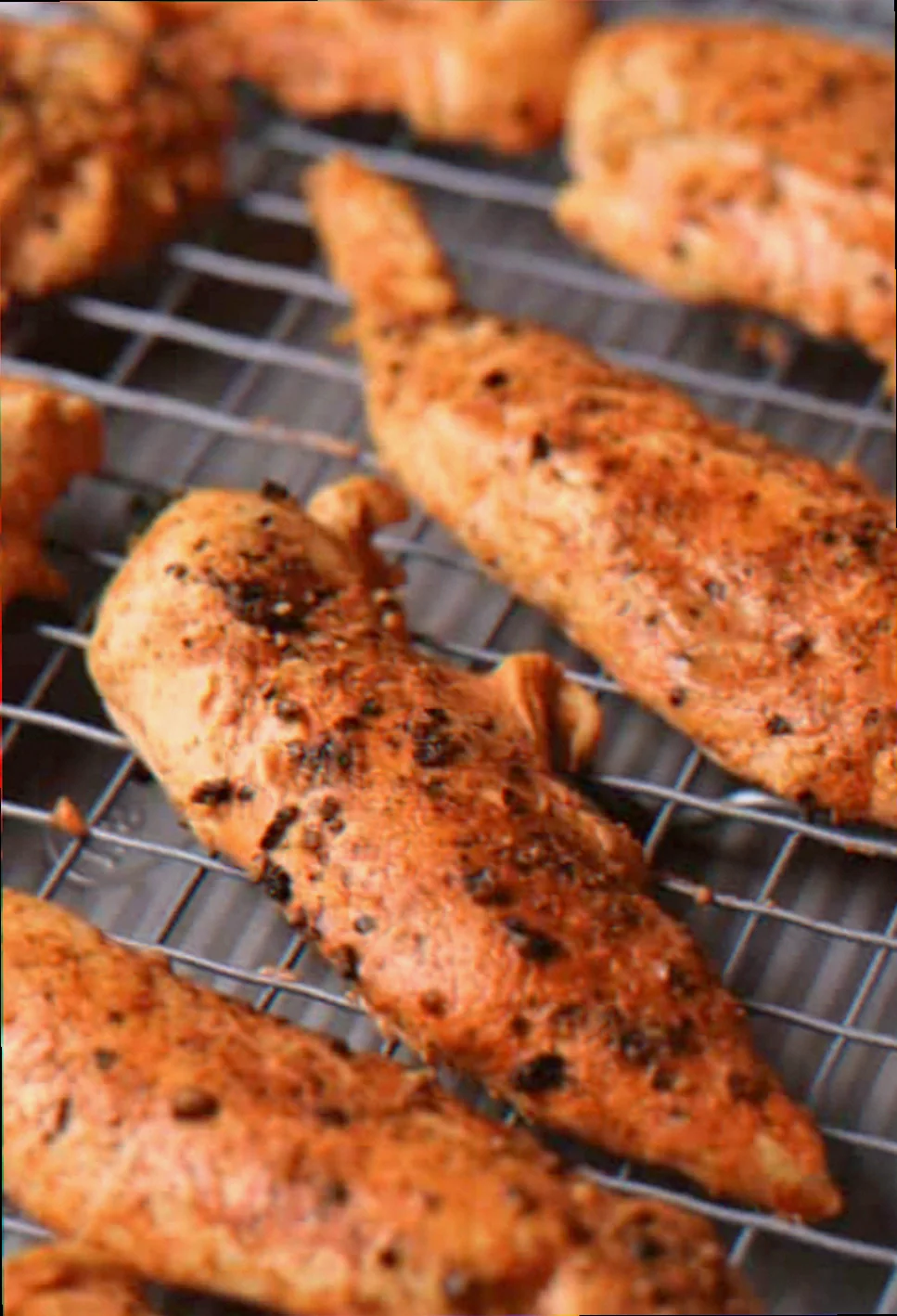
Perfectly baked chicken tenderloins at 400°F achieve a delightful balance of tender, juicy interiors and subtly crisp exteriors. This ideal outcome is achieved through precise temperature control and understanding the subtle cues of doneness, ensuring the lean protein cooks through without drying out.
Recipe Overview
| Detail | Value |
|---|---|
| Dish | Baked Chicken Tenderloins at 400°F |
| Cuisine / category | American Home Cooking / Weeknight Dinner |
| Prep time | 10 minutes |
| Cook time | 18-25 minutes |
| Total time | 28-35 minutes |
| Servings | 4 |
| Difficulty | Easy |
| Key technique | Roasting |
| Flavour profile | Savory, Mildly Herbaceous, Tender |
| Best served | Quick family meals, light lunches |
Ingredients
This straightforward ingredient list focuses on enhancing the natural flavour of chicken tenderloins and promoting a desirable texture during the roasting process.
- 500 grams boneless, skinless chicken tenderloins
- 2 tablespoons olive oil
- 1 teaspoon garlic powder
- 1 teaspoon onion powder
- 1/2 teaspoon smoked paprika
- 1/4 teaspoon dried thyme
- Salt, to taste
- Black pepper, freshly ground, to taste
Step-by-Step Method
The sequence of these steps is designed to ensure the chicken tenderloins are evenly coated and cook efficiently at the specified high temperature.
- Step 1 - Preheat Oven and Prepare Baking Sheet: Preheat your oven to 200°C (400°F). Line a baking sheet with parchment paper or a silicone baking mat for easy cleanup and to prevent sticking.
- Step 2 - Season the Tenderloins: In a medium bowl, toss the chicken tenderloins with 2 tablespoons of olive oil. Ensure each tenderloin is lightly coated.
- Step 3 - Apply Dry Seasonings: Sprinkle the garlic powder (1 teaspoon), onion powder (1 teaspoon), smoked paprika (1/2 teaspoon), dried thyme (1/4 teaspoon), salt, and freshly ground black pepper evenly over the oiled tenderloins. Toss gently to distribute the seasonings.
- Step 4 - Arrange on Baking Sheet: Place the seasoned chicken tenderloins in a single layer on the prepared baking sheet. Ensure they are not overcrowded, which can lead to steaming rather than roasting.
- Step 5 - Bake until Golden: Transfer the baking sheet to the preheated oven. Bake for 18 to 25 minutes. The exact time will depend on the thickness of the tenderloins. You are looking for the chicken to be opaque throughout with a light golden-brown hue on the exterior.
- Step 6 - Check for Doneness: To confirm the chicken is cooked, insert an instant-read thermometer into the thickest part of a tenderloin. It should register an internal temperature of 74°C (165°F). Alternatively, cut into the centre of one tenderloin; the juices should run clear and the meat should be white, not pink.
- Step 7 - Rest and Serve: Once cooked, remove the baking sheet from the oven. Let the chicken tenderloins rest on the baking sheet for 5 minutes before serving. This resting period allows the juices to redistribute, ensuring a more succulent texture.
The Science Behind Baked Chicken Tenderloins at 400°F
Roasting chicken tenderloins at 400°F (200°C) leverages the principle of high-heat convection cooking. The intense heat from the oven surrounding the tenderloins promotes rapid cooking. The olive oil acts as a conductor for heat and helps to initiate the Maillard reaction on the surface of the chicken. This complex chemical process between amino acids and reducing sugars occurs at temperatures above 140°C (284°F) and is responsible for the desirable browning, savory aromas, and a subtly crispy exterior texture. The dry seasonings, when heated, release their aromatic compounds, infusing the meat with flavour. Cooking time is crucial; too short, and the interior remains undercooked; too long, and the lean protein can become dry and tough as its moisture evaporates. The final internal temperature of 74°C (165°F) is the benchmark for food safety and optimal doneness, indicating the proteins have denatured and are safe to consume while retaining their tender, juicy quality.
Ingredient Substitutions and Variations
Exploring ingredient swaps can adapt this recipe to your pantry or dietary needs without compromising the core deliciousness of baked chicken tenderloins.
- Olive Oil → Avocado Oil or Melted Butter: Olive oil provides a good base for heat transfer and flavour. Avocado oil is a neutral-flavoured alternative with a higher smoke point, suitable for high-heat roasting. Melted butter can add a richer flavour profile and promote browning, though it may brown slightly faster than olive oil. Both are excellent substitutions.
- Dried Thyme → Dried Rosemary or Oregano: Dried thyme offers a subtle, slightly minty herbaceousness. Dried rosemary provides a more pungent, pine-like aroma, while dried oregano offers a more robust, peppery, and slightly bitter note. All these dried herbs pair wonderfully with chicken and will alter the flavour profile slightly but deliciously.
- Dietary variation - Gluten-Free/Dairy-Free: This recipe is inherently gluten-free and dairy-free, making it an accessible option for many dietary requirements. No modifications are needed.
- Flavour variation - Spicier: For a spicier kick, add 1/4 to 1/2 teaspoon of cayenne pepper or red pepper flakes to the dry seasoning mix.
- Flavour variation - Lemon-Herb: Add the zest of one lemon to the dry seasonings and a tablespoon of fresh chopped parsley or chives during the last 5 minutes of baking for a brighter, fresher flavour.
Make-Ahead, Storage, and Reheating
While best enjoyed fresh, baked chicken tenderloins offer some make-ahead flexibility. You can prep the seasoning mix up to 2 days in advance and store it in an airtight container at room temperature. The raw, seasoned chicken tenderloins can be placed in a resealable bag or airtight container and refrigerated for up to 24 hours before baking. This allows for a truly quick weeknight meal when time is of the essence. Once baked, cooled chicken tenderloins can be stored in an airtight container in the refrigerator for 3 to 4 days. For reheating, the best method to retain tenderness is in a moderate oven at 175°C (350°F) for 8-10 minutes, or until heated through. Microwaving is possible but can sometimes result in a slightly chewier texture.
What to Serve With Baked Chicken Tenderloins at 400°F
These versatile chicken tenderloins pair exceptionally well with a variety of sides, creating balanced and satisfying meals suitable for casual family dinners or lighter lunches.
- Roasted Broccoli or Asparagus: These vegetables roast beautifully alongside the chicken, benefiting from the oven's heat. Their slightly earthy flavour and tender-crisp texture complement the savory chicken. This combination is ideal for a healthy weeknight dinner.
- Quinoa Salad with Cucumber and Mint: A refreshing and light salad offers a cool contrast to the warm, roasted chicken. The herbaceous notes of mint and the crispness of cucumber provide a delightful textural and flavour interplay. This makes for a perfect light lunch or a side dish for a summer gathering.
- Sweet Potato Fries: For a more comforting meal, crispy baked sweet potato fries offer a touch of sweetness that beautifully balances the savory chicken. The combination is a crowd-pleaser, especially for families.
Common Mistakes and How to Avoid Them
- Mistake 1: Overcrowding the Baking Sheet: Placing too many tenderloins on one sheet prevents hot air from circulating effectively. This leads to steaming instead of roasting, resulting in pale, less flavourful chicken. Fix: Ensure tenderloins are in a single layer with some space between them. Use two baking sheets if necessary.
- Mistake 2: Overcooking the Chicken: Chicken tenderloins are lean and cook quickly. Overcooking, even by a few minutes, will result in dry, tough meat. Fix: Start checking for doneness at the lower end of the cooking time range (18 minutes). Use an instant-read thermometer to ensure it reaches 74°C (165°F) without exceeding it.
- Mistake 3: Not Resting the Chicken: Skipping the rest period after cooking causes the juices to escape when the chicken is cut, leading to a drier final product. Fix: Always allow the chicken tenderloins to rest for at least 5 minutes on the baking sheet before serving.
Frequently Asked Questions
Can I make Baked Chicken Tenderloins at 400°F ahead of time?
Yes, you can prepare the raw, seasoned chicken tenderloins up to 24 hours in advance and store them in the refrigerator in an airtight container before baking. The cooked chicken can be stored for 3-4 days in the refrigerator and reheated gently.
How do I know when Baked Chicken Tenderloins at 400°F is cooked properly?
The most reliable indicator is an internal temperature of 74°C (165°F) measured with an instant-read thermometer in the thickest part of the tenderloin. Visually, the chicken should be opaque throughout, and the juices should run clear when pierced.
What is the best substitute for olive oil in Baked Chicken Tenderloins at 400°F?
Avocado oil is an excellent substitute due to its high smoke point and neutral flavour, making it ideal for high-heat roasting. Melted butter can also be used for a richer taste, though it may require closer monitoring to prevent burning.