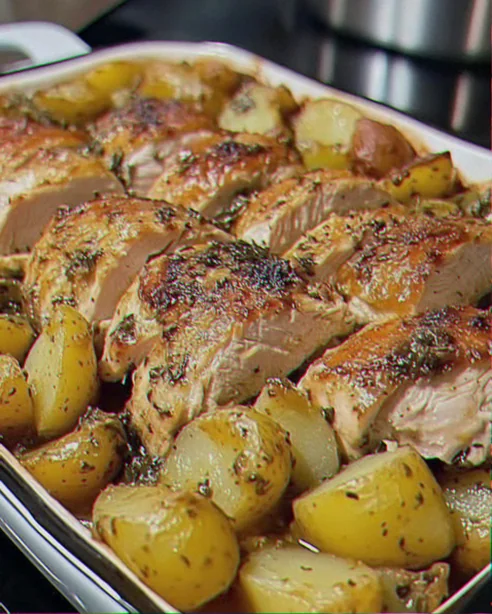
The aroma of roasting garlic and rosemary hangs heavy in the air, promising a deeply savoury and comforting experience. Today, we're making Roast Chicken, a cornerstone of Italian-American cuisine, born from generations of Sunday suppers. Achieving a truly exceptional roast chicken hinges on three things: the quality of your chicken, the precision of your roasting technique, and the generous application of flavourful herbs.
Quick Reference
| Field | Detail |
|---|---|
| Dish | Roast Chicken |
| Origin | Italian-American (rooted in Italian Pollo Arrosto) |
| Hero ingredients | Chicken, Garlic, Rosemary |
| Defining technique | Roasting |
| Texture | Crisp skin, Juicy flesh |
| Flavour | Savoury, Herbaceous, Umami |
| Total time | 90 minutes |
| Servings | 4-6 |
| Pairs with | Chianti Classico |
| Occasion | Sunday Supper, Family Gathering |
Ingredients - What Actually Matters and Why
A truly great roast chicken starts with exceptional ingredients. Chicken, specifically a good quality whole bird, provides the foundation for all the flavour. Garlic, when roasted, transforms into a sweet, mellow paste that permeates the chicken and pan juices. Finally, Rosemary, with its piney fragrance, adds a crucial herbaceous counterpoint to the richness of the bird.
- Whole Chicken - 1.5-2kg, patted dry - Provides the core flavour and texture; dry skin is essential for crisping.
- Garlic - 1 head, halved horizontally - Infuses the chicken with a sweet, savoury depth during roasting.
- Rosemary - 4 sprigs, plus extra for garnish - Lends a fragrant, herbaceous aroma and flavour.
- Olive Oil - 4 tbsp - Facilitates browning and keeps the skin moist.
- Lemon - 1, quartered - Adds brightness and acidity to balance the richness.
- Salt - 2 tsp - Enhances flavour and helps draw out moisture for crisp skin.
- Black Pepper - 1 tsp, freshly ground - Adds a subtle spice.
- Potatoes - 500g, quartered - Absorbs the delicious pan juices during roasting.
- Carrots - 300g, chopped - Adds sweetness and colour to the roasting pan.
- Onion - 1 large, quartered - Contributes to the flavour base of the pan juices.
Method: Roasting Step by Step
The key to a perfect roast chicken lies in a methodical roasting process, building layers of flavour and ensuring even cooking. We begin by preparing the chicken, then build a flavourful base in the roasting pan before finally allowing the heat to work its magic.
- Prepare - the chicken: Rub the chicken all over with olive oil, salt, and pepper, ensuring even coverage.
- Stuff - the cavity: Place the halved garlic head and rosemary sprigs inside the chicken cavity. Squeeze the lemon quarters over the cavity and then tuck them inside.
- Arrange - the vegetables: Scatter the potatoes, carrots, and onion in the bottom of a large roasting pan. Drizzle with 2 tbsp olive oil, salt, and pepper.
- Position - the chicken: Place the chicken on top of the vegetables, breast-side up.
- Roast - at high heat: Roast in a preheated oven at 220°C (200°C fan/Gas Mark 7) for 15 minutes to initiate browning.
- Reduce - the temperature: Reduce the oven temperature to 180°C (160°C fan/Gas Mark 4) and continue roasting for 60-75 minutes, or until a meat thermometer inserted into the thickest part of the thigh registers 74°C. The juices should run clear when pierced with a fork.
- Rest - before carving: Remove the chicken from the oven and let it rest for 10-15 minutes before carving. This allows the juices to redistribute, resulting in a more tender and flavourful bird.
- Finish and plate: Carve the chicken and arrange it on a platter with the roasted vegetables. Garnish with fresh rosemary sprigs. The skin should be a deep golden brown and beautifully crisp, the flesh glistening and tender.
Authentic vs Adapted: What Changes and What Doesn't
Traditional Pollo Arrosto in Italy, particularly in Tuscany, often features a simple seasoning of salt, pepper, and olive oil, sometimes with just a sprig of rosemary tucked inside. It's typically cooked over a spit or in a wood-fired oven. The Italian-American adaptation, as presented here, embraces a more generous use of garlic and herbs, reflecting the bolder flavour profiles favoured in the US. While the core technique of roasting remains the same, the addition of root vegetables to the pan is also a common adaptation. The non-negotiable elements are the whole chicken, the dry-brining effect of salt, and the high-heat initial blast to encourage crisp skin. Straying too far from these fundamentals results in a dish that lacks the essential character of a true roast chicken.
Substitutions That Work (and Ones That Don't)
- Rosemary → Thyme: The flavour profile shifts from piney to earthy, but it's a perfectly acceptable substitution.
- Lemon → Orange: Adds a different citrus note, slightly sweeter and less acidic.
- For dietary needs - Gluten-Free: This recipe is naturally gluten-free.
- For dietary needs - Dairy-Free: This recipe is naturally dairy-free.
- Budget swap: Using a smaller chicken (around 1.2kg) will reduce the cost, but may require a slightly shorter roasting time.
What to Serve Alongside Roast Chicken
Roast Chicken pairs beautifully with classic Italian-American sides like Garlic Bread, offering a textural contrast and amplifying the garlic flavour. Roasted Brussels Sprouts provide a slightly bitter counterpoint to the richness of the chicken. And, of course, a simple Green Salad with a vinaigrette dressing offers freshness and balance. To complement the savoury, herbaceous flavours, a bottle of Chianti Classico is the perfect pairing. Its bright acidity cuts through the richness of the chicken, while its earthy notes harmonize with the rosemary and garlic.
Troubleshooting: Why Your Roast Chicken Went Wrong
Don't despair if your roast chicken isn't perfect the first time! Here are some common pitfalls and how to avoid them.
- Symptom: Skin isn't crispy. Cause: Insufficiently dry skin or oven temperature too low. Fix: Pat the chicken very dry with paper towels before seasoning and ensure your oven is properly preheated.
- Symptom: Chicken is dry. Cause: Overcooking. Fix: Use a meat thermometer and remove the chicken when it reaches 74°C. Resting is also crucial.
- Symptom: Vegetables are burnt. Cause: Oven temperature too high or vegetables too close to the heating element. Fix: Reduce the oven temperature slightly or cover the vegetables loosely with foil during the last 30 minutes of roasting.
Make-Ahead and Storage
You can prep the chicken up to 24 hours in advance. Rub it with the oil, salt, pepper, and stuff the cavity. Store it uncovered in the refrigerator to allow the skin to dry out further. Leftover roast chicken can be stored in an airtight container in the refrigerator for up to 3 days. Reheat gently in a 160°C oven to maintain some crispness, or shred it for use in salads or sandwiches.
Recipe Questions Answered
What makes Roast Chicken different from Fried Chicken?
The primary difference lies in the technique. Fried Chicken is deep-fried, resulting in a crispy coating and a shorter cooking time, while Roast Chicken is roasted, yielding a more nuanced flavour and a crisp skin achieved through dry heat. The flavour profiles also differ; fried chicken often incorporates spices in the coating, whereas roast chicken relies on herbs and simple seasoning.
Can I make Roast Chicken without a roasting pan?
Yes, you can use a large, oven-safe skillet or Dutch oven. The vegetables may not roast as evenly, but the chicken will still cook beautifully. The key is to ensure the pan is large enough to accommodate the chicken and vegetables without overcrowding.
How do I scale Roast Chicken for a crowd?
You can roast two smaller chickens (around 1.2-1.5kg each) instead of one large one. The roasting time will remain roughly the same. Don't overcrowd the pan; if necessary, use two pans. The quantity of seasoning should be increased proportionally, but the amount of liquid (olive oil) doesn't necessarily need to double.