The first bite of perfectly fried chicken tenders should be an explosion of savoury, umami-rich flavour encased in a shatteringly crisp, golden-brown crust. This recipe delivers on that promise, rooted in the American South's tradition of fried chicken, but streamlined for weeknight ease. Achieving that ideal texture - both crisp and tender - hinges on three key elements: the quality of the chicken thighs, the double-dredge in seasoned flour, and maintaining the correct oil temperature.
Quick Reference
| Field | Detail |
|---|---|
| Dish | Chicken Tenders |
| Origin | American South (United States) |
| Hero ingredients | Chicken Thighs, Buttermilk, All-Purpose Flour |
| Defining technique | Deep-Frying |
| Texture | Crisp, Tender |
| Flavour | Savoury, Umami, Spicy |
| Total time | 45 minutes |
| Servings | 4 |
| Pairs with | American Pale Ale |
| Occasion | Casual Dining, Game Day, Family Meal |
Ingredients - What Actually Matters and Why
The foundation of exceptional chicken tenders begins with the quality of the meat. Chicken thighs provide superior flavour and remain incredibly moist during frying. Buttermilk tenderizes the chicken and adds a subtle tang, while all-purpose flour, when seasoned generously, creates the signature crispy coating.
- Chicken Thighs - 600g, cut into 2.5cm strips - provide the rich flavour and tender texture that breast meat simply can't match.
- Buttermilk - 240ml - its lactic acid gently breaks down the chicken proteins, resulting in a more tender final product.
- All-Purpose Flour - 200g - forms the base of the coating, providing structure and a surface for seasoning to adhere to.
- Salt - 1.5 tsp
- Black Pepper - 1 tsp
- Garlic Powder - 1 tsp
- Paprika - 1 tsp
- Cayenne Pepper - ½ tsp (or more, to taste)
- Vegetable Oil - for deep frying (approx. 1.5L)
Method: Deep-Frying Step by Step
This method prioritizes a consistent frying temperature and a double-dredge to build a robust, crispy coating. The sequence of marinating, dredging, and frying ensures maximum flavour penetration and textural contrast.
- Marinate - Chicken in Buttermilk: submerge the chicken strips in buttermilk, ensuring they are fully coated. Refrigerate for at least 30 minutes, or up to 4 hours.
- Season - Flour Mixture: in a shallow dish, whisk together the flour, salt, pepper, garlic powder, paprika, and cayenne pepper.
- Dredge - First Coat: remove the chicken from the buttermilk, allowing excess to drip off. Dredge each strip in the seasoned flour, ensuring it's fully coated.
- Rest - Dredged Chicken: place the dredged chicken on a wire rack and let it rest for 10 minutes. This allows the coating to adhere better.
- Dredge - Second Coat: repeat the dredging process, ensuring each strip is thoroughly coated with flour.
- Heat - Oil to 175°C: in a deep fryer or large, heavy-bottomed pot, heat the vegetable oil to 175°C (350°F). Use a thermometer to ensure accuracy.
- Fry - in Batches: carefully add the chicken tenders to the hot oil in batches, ensuring not to overcrowd the pot. Fry for 6-8 minutes, until golden brown and the internal temperature reaches 74°C (165°F). You'll hear the oil actively bubbling, then gradually quiet as frying progresses.
- Drain - on Rack: remove the fried chicken tenders with a slotted spoon and place them on a wire rack lined with paper towels to drain excess oil.
- Finish and plate: arrange the golden-brown chicken tenders on a platter, garnished with a sprinkle of paprika and a side of your favourite dipping sauce. The tenders should be uniformly golden, with a visibly crisp coating.
Authentic vs Adapted: What Changes and What Doesn't
Traditional Southern fried chicken, originating in the 18th-century American South, typically involves a whole chicken, cut into pieces, and marinated in seasoned buttermilk before being dredged in flour and fried in lard. This recipe adapts that tradition by using chicken thighs cut into tenders for convenience and using vegetable oil instead of lard for a lighter flavour. The core principles - buttermilk marination, double-dredging, and deep-frying - remain essential to achieving the authentic flavour and texture. Substituting the buttermilk or skipping the double-dredge fundamentally alters the dish.
Substitutions That Work (and Ones That Don't)
- All-Purpose Flour → Cornstarch - creates an even crispier coating, but lacks the subtle flavour of flour. Recommended for those prioritizing maximum crunch.
- Buttermilk → Plain Yogurt - provides a similar tang and tenderizing effect, but the flavour profile will be slightly different.
- For dietary needs - Gluten-Free - use a gluten-free all-purpose flour blend. Ensure it contains xanthan gum for binding.
- For dietary needs - Dairy-Free - substitute buttermilk with unsweetened plant-based yogurt mixed with a tablespoon of lemon juice per cup.
- Budget swap: Chicken thighs → Chicken Drumsticks - while the shape is different, drumsticks offer a similar flavour profile at a lower cost.
What to Serve Alongside Chicken Tenders
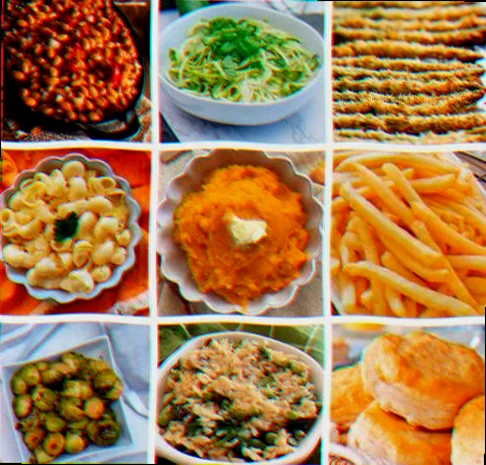
Classic pairings for chicken tenders include French Fries, offering a contrasting soft interior and crispy exterior, and Coleslaw, providing a cool, creamy, and tangy counterpoint to the richness of the fried chicken. For a more substantial meal, consider Macaroni and Cheese. To complement the savoury and slightly spicy flavour of the tenders, an American Pale Ale is an excellent choice. The beer's hoppy bitterness cuts through the richness, while its light body won't overpower the chicken.
Troubleshooting: Why Your Chicken Tenders Went Wrong
Achieving perfectly crisp and tender chicken tenders requires attention to detail. Here are some common pitfalls and how to avoid them:
- Symptom: Soggy Coating. Cause: Oil temperature too low. Fix: Ensure the oil reaches and maintains 175°C (350°F) throughout frying.
- Symptom: Dry, Tough Chicken. Cause: Overcrowding the pot or frying for too long. Fix: Fry in smaller batches and monitor the internal temperature - remove when it reaches 74°C (165°F).
- Symptom: Coating Falls Off. Cause: Insufficient dredging or not resting the chicken after the first dredge. Fix: Ensure each piece is fully coated with flour and allow the coating to adhere by resting for 10 minutes between dredges.
Make-Ahead and Storage
You can marinate the chicken in buttermilk up to 24 hours in advance. Dredged chicken can be refrigerated for up to 2 hours before frying. Leftover fried chicken tenders are best reheated in a 180°C (350°F) oven for 10-15 minutes to restore some of the crispness. Avoid microwaving, as this will make them soggy.
Recipe Questions Answered
What makes Chicken Tenders different from Fried Chicken?
While both utilize the same deep-frying technique, fried chicken typically involves larger pieces of chicken (whole pieces or quarters) and a longer cooking time. Chicken tenders are specifically cut from the breast or thigh and are quicker to cook, resulting in a more consistently tender texture.
Can I make Chicken Tenders without a deep fryer?
Yes, you can use a large, heavy-bottomed pot. However, maintaining a consistent oil temperature is crucial. Use a thermometer and adjust the heat as needed. The results may not be quite as consistent as with a dedicated deep fryer.
How do I scale Chicken Tenders for a crowd?
You can double or triple the recipe, but it's essential to fry in smaller batches to avoid lowering the oil temperature too much. Increase the frying time slightly for larger batches, and always check the internal temperature to ensure the chicken is cooked through.