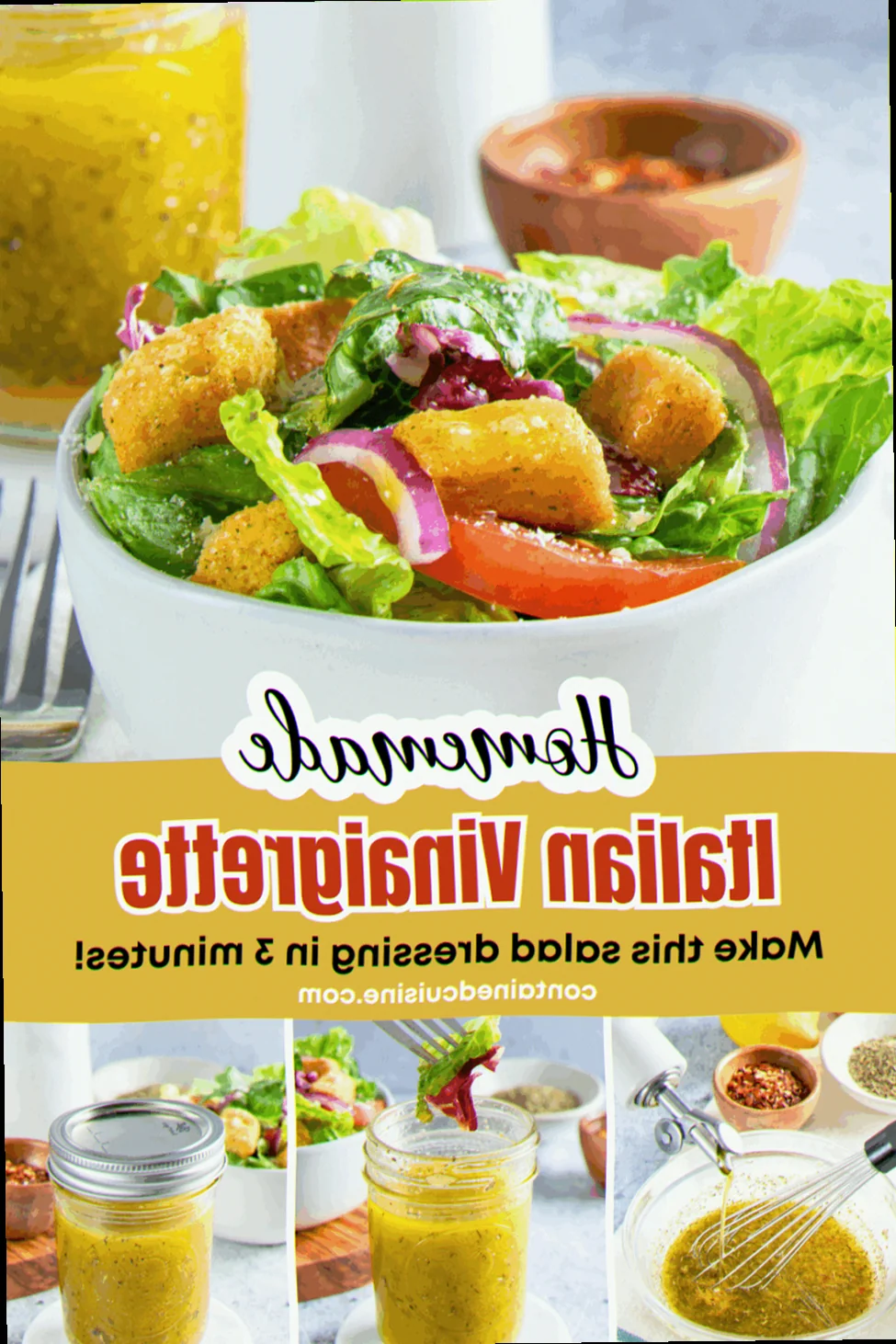
Authentic Italian vinaigrette relies on a precise ratio of lipids and acids to create a zesty, herbaceous dressing that provides a vibrant, tangy finish to crisp greens. This specific formulation works because it utilizes an emulsified suspension of high-quality extra virgin olive oil and red wine vinegar, ensuring the dressing clings to ingredients rather than pooling at the bottom of the bowl. By balancing the pungent aromatics of garlic with the earthy notes of dried Mediterranean herbs, this recipe achieves a shelf-stable, restaurant-quality profile that is both sharp and savory.
Recipe Overview
| Detail | Value |
|---|---|
| Dish | Italian Vinaigrette |
| Cuisine / category | Mediterranean / Salad Dressing |
| Prep time | 10 minutes |
| Cook time | 0 minutes |
| Total time | 10 minutes |
| Servings | 12 (makes approx. 250ml) |
| Difficulty | Easy |
| Key technique | Cold-emulsification |
| Flavour profile | Tangy, herbaceous, umami-rich |
| Best served | Weeknight dinners, Summer BBQs, Meal prep |
Ingredients
The following selection of ingredients is curated to produce a stable emulsion with a balanced pH level. The inclusion of Dijon mustard is critical, as it acts as a natural surfactant to bind the oil and vinegar into a cohesive, creamy texture.
- 180 ml (¾ cup) Extra Virgin Olive Oil: Use a cold-pressed oil for a peppery, robust base.
- 60 ml (¼ cup) Red Wine Vinegar: Provides the essential acetic acid for a sharp, bright finish.
- 5 grams (1 teaspoon) Dijon Mustard: Serves as the primary emulsifying agent and adds a subtle piquant depth.
- 7 grams (1 teaspoon) Honey or Maple Syrup: To balance the acidity and mellow the bite of the vinegar.
- 5 grams (1 large clove) Garlic: Very finely minced or pressed to ensure even distribution of its pungent oils.
- 1.5 grams (1 teaspoon) Dried Oregano: Provides the characteristic earthy, floral aroma of Italian cuisine.
- 0.7 grams (½ teaspoon) Dried Basil: Adds a sweet, peppery herbal note.
- 1 gram (¼ teaspoon) Onion Powder: Enhances the savory umami profile without the texture of raw onions.
- 3 grams (½ teaspoon) Fine Sea Salt: Essential for drawing out the flavors of the herbs and balancing the lipids.
- 1 gram (¼ teaspoon) Freshly Cracked Black Pepper: For a mild, lingering heat.
- 0.5 grams (¼ teaspoon) Red Pepper Flakes (optional): For those desiring a subtle, spicy kick.
Step-by-Step Method
The logic behind this method focuses on the mechanical integration of ingredients to prevent the inevitable separation of oil and water-based liquids.
- Step 1 - Prepare Aromatics: Finely mince the garlic clove (approx. 5g) until it forms a near-paste. Place the garlic, salt, and black pepper in a medium glass mixing bowl or a wide-mouth mason jar. You should smell the immediate release of the garlic's sulfurous compounds as they react with the salt.
- Step 2 - Combine Acid and Emulsifier: Pour the 60ml of red wine vinegar over the garlic mixture. Add the 5g of Dijon mustard and 7g of honey. Whisk vigorously until the mustard and honey are fully dissolved into the vinegar. The liquid should appear slightly opaque and uniform in color.
- Step 3 - Incorporate Dried Herbs: Add the 1.5g of oregano, 0.7g of basil, and 1g of onion powder to the vinegar base. Allow this to sit for 2 minutes; this "blooms" the dried herbs, softening their texture and drawing out the essential oils into the acidic environment.
- Step 4 - Emulsify the Lipid: While whisking constantly and rapidly, slowly drizzle the 180ml of extra virgin olive oil into the bowl in a thin, steady stream. If using a jar, you can tighten the lid and shake violently for 30 seconds. Look for a visual transition from two distinct layers to a single, thick, glossy, and homogeneous liquid that coats the back of a spoon.
- Step 5 - Adjust and Infuse: Taste the vinaigrette with a leaf of lettuce to check the balance. The texture should feel silky on the palate, not greasy. Let the dressing rest for at least 30 minutes at room temperature (approx. 21°C) before serving to allow the flavors to meld.
The Science Behind Italian Vinaigrette
At its core, a vinaigrette is a temporary emulsion. Oil and vinegar are naturally immiscible, meaning they repel each other at a molecular level. The science of this recipe relies on emulsification, which is the process of breaking down the oil into microscopic droplets and suspending them within the vinegar. The Dijon mustard plays a vital role here; it contains complex polysaccharides and proteins that act as stabilizers. These molecules are amphiphilic, meaning one end is attracted to water (hydrophilic) and the other to oil (lipophilic). By sitting at the interface of the oil and vinegar, the mustard prevents the oil droplets from recoalescing. Furthermore, the use of extra virgin olive oil provides a source of polyphenols, which contribute to the "bite" or bitterness that cuts through the richness of fats, while the acetic acid in the red wine vinegar denatures proteins in salad greens, making them easier to digest and brightening their natural chlorophyll-driven flavors.
Ingredient Substitutions and Variations
Understanding the role of each entity allows for successful substitutions without compromising the structural integrity of the dressing.
- Red Wine Vinegar → Fresh Lemon Juice: This swap maintains the acidity but shifts the flavor profile toward a citrusy, Mediterranean "Salmoriglio" style. Impact: Brighter, more volatile flavor; use 60ml of juice. Verdict: Works exceptionally well for seafood salads.
- Extra Virgin Olive Oil → Avocado Oil: Avocado oil is a neutral lipid with a similar monounsaturated fat profile. Impact: Loses the peppery "Italian" finish but creates a smoother, milder dressing. Verdict: Use only if you dislike the strong flavor of olive oil.
- Dried Herbs → Fresh Herbs: If substituting fresh basil or oregano, triple the volume (approx. 5g each). Impact: Provides a more vibrant green color and "fresh" aroma, but reduces the shelf life to 48 hours. Verdict: Excellent for immediate serving, poor for meal prep.
- Dietary variation - Vegan / Sugar-Free: Replace the 7g of honey with agave nectar or omit entirely for a keto-friendly version. Impact: The dressing will be significantly sharper and more acidic.
- Flavour variation - Creamy Italian: Whisk in 30g (2 tablespoons) of Greek yogurt or mayonnaise. Impact: Changes the texture from a translucent vinaigrette to an opaque, creamy dressing. Verdict: Best for sturdy Romaine or iceberg lettuce.
Make-Ahead, Storage, and Reheating
This vinaigrette is an ideal candidate for make-ahead meal prep as the flavors intensify over time. Store the dressing in a sealed glass container, such as a mason jar, in the refrigerator at 4°C. It will remain safe and flavorful for up to 14 days. Note: High-quality extra virgin olive oil contains natural waxes that may solidify at refrigerator temperatures, causing the dressing to look cloudy or become semi-solid. To restore its texture, remove the jar from the fridge 20 minutes before serving or place the bottom of the jar in a bowl of warm water (approx. 35°C) for 2 minutes. Shake vigorously to re-emulsify the ingredients before pouring. Do not microwave the vinaigrette, as excessive heat can oxidize the delicate oils and dull the flavor of the dried herbs.
What to Serve With Italian Vinaigrette
This dressing is a versatile culinary entity that pairs with various textures and protein structures.
- Antipasto Salad: The high acidity of the vinaigrette cuts through the fat of cured meats like salami and provolone cheese, making it the perfect pairing for a loaded Italian chopped salad.
- Panzanella (Tuscan Bread Salad): The vinaigrette serves as the hydrating agent for toasted cubes of sourdough or ciabatta. The porous bread absorbs the herbal oil, creating a rich, savory mouthfeel.
- Marinated Grilled Chicken: Use the vinaigrette as a marinade for poultry. The vinegar acts as a tenderizer by breaking down tough muscle fibers, while the oil and herbs create a flavorful crust when seared over high heat.
Common Mistakes and How to Avoid Them
- Mistake 1: Using "Light" Olive Oil. Many cooks use light-tasting olive oil to save money, but this lacks the polyphenols and flavor depth required for a true Italian profile. Fix: Always use "Extra Virgin" for the base to ensure a robust, peppery finish.
- Mistake 2: Adding Oil Too Quickly. If the oil is dumped into the vinegar all at once, the emulsion will fail, resulting in a greasy, separated mess. Fix: Add the oil in a "slow drizzle" while whisking or use a blender on the lowest setting to gradually incorporate the lipids.
- Mistake 3: Over-salting. Because the flavors concentrate as the dressing sits, a vinaigrette that tastes "perfect" immediately may become too salty by the next day. Fix: Season conservatively initially, and taste-test on a piece of lettuce (which dilutes the salt) rather than tasting the dressing plain.
Frequently Asked Questions
Can I make Italian vinaigrette recipe ahead of time?
Yes, you can make this vinaigrette up to two weeks in advance. Store it in a glass jar in the refrigerator at 4°C. The flavors of the dried oregano and garlic will continue to infuse the oil, often making the dressing taste better after 24 to 48 hours.
How do I know when Italian vinaigrette recipe is finished properly?
You can identify a successful emulsion by its visual and kinetic properties. The dressing should be opaque, slightly thickened, and should not show any visible "beads" of oil floating on the surface. When you swirl the jar, the liquid should coat the glass evenly rather than running off like water.
What is the best substitute for red wine vinegar in Italian vinaigrette recipe?
The best substitute is white wine vinegar or balsamic vinegar. White wine vinegar offers a similar acidity level with a slightly milder fruit note, while balsamic vinegar will make the dressing much sweeter and darker. Both work well, but red wine vinegar is