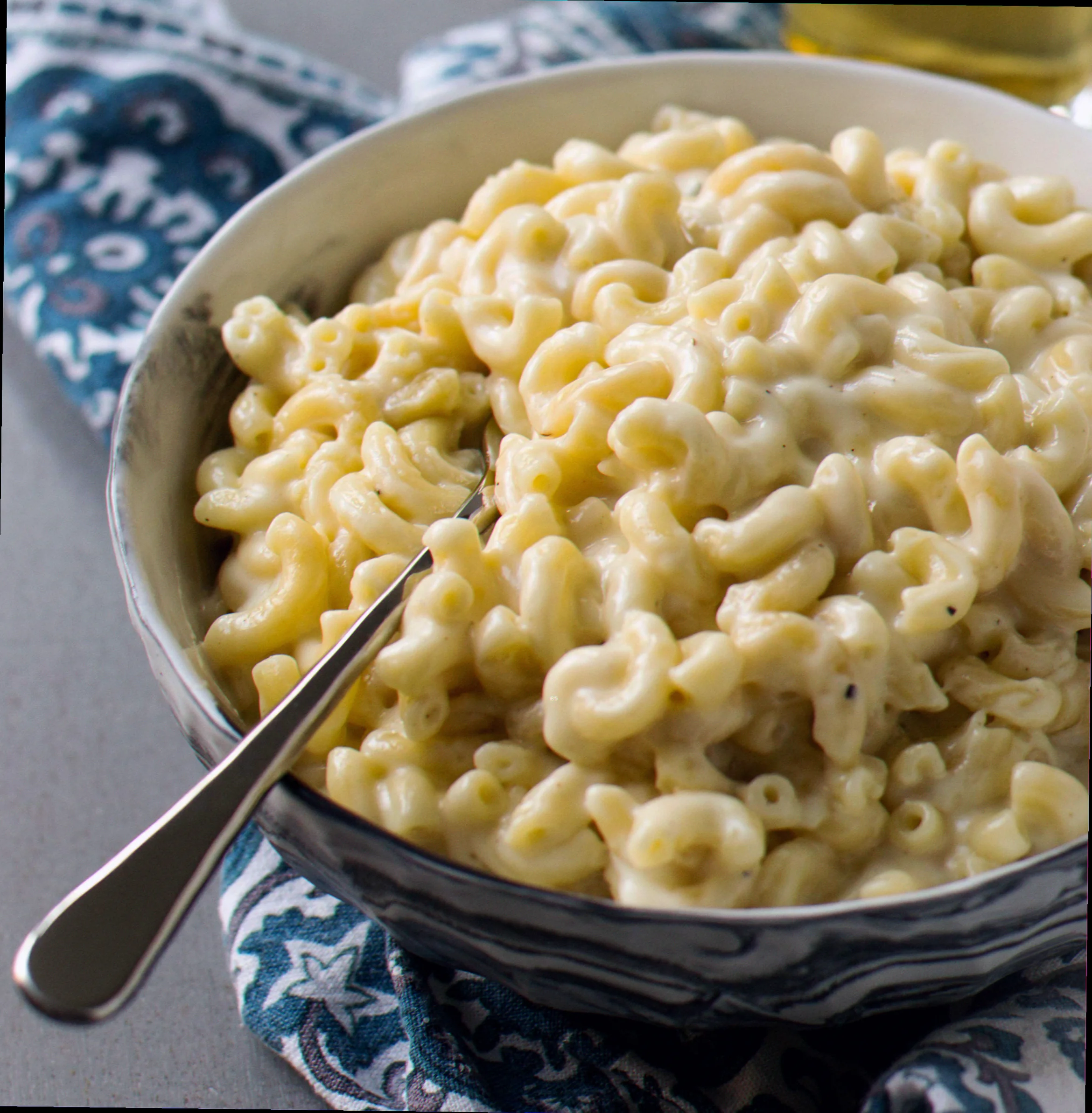
Achieving the perfect white cheddar mac and cheese relies on the delicate balance between a high-protein pasta structure and a stable Mornay sauce emulsion. By utilizing aged sharp white cheddar for its intense umami profile and combining it with a silky, roux-based béchamel, this version creates a velvety coating that clings to every crevice of the noodle without becoming oily or grainy. The result is a sophisticated comfort dish defined by its sharp tang, creamy mouthfeel, and a subtle nutty finish that distinguishes it from standard yellow-cheddar counterparts.
Recipe Overview
| Detail | Value |
|---|---|
| Dish | White Cheddar Macaroni and Cheese |
| Cuisine / category | American Comfort Food / Pasta |
| Prep time | 15 minutes |
| Cook time | 25 minutes |
| Total time | 40 minutes |
| Servings | 6 servings |
| Difficulty | Medium |
| Key technique | Mornay sauce emulsification (Roux-based) |
| Flavour profile | Sharp, tangy, creamy, and umami-rich |
| Best served | Sunday dinner, holiday side dish, or upscale potluck |
Ingredients
The success of this dish hinges on the quality of the fats and the age of the cheese. Using block cheese rather than pre-shredded varieties ensures a smoother melt, as it lacks the anti-caking starches that can lead to a gritty texture.
- 450 grams (1 lb) dried elbow macaroni or cavatappi pasta
- 115 grams (1/2 cup) unsalted high-fat butter
- 65 grams (1/2 cup) all-purpose flour
- 950 ml (4 cups) whole milk, room temperature
- 120 ml (1/2 cup) heavy cream for added silkiness
- 450 grams (1 lb) sharp white cheddar cheese, freshly grated
- 115 grams (1 cup) Gruyère cheese, freshly grated (for depth of flavour)
- 5 grams (1 tsp) dry mustard powder to enhance sharpness
- 2 grams (1/2 tsp) ground nutmeg to complement the dairy
- 5 grams (1 tsp) garlic powder
- 8 grams (1.5 tsp) kosher salt (adjust to taste)
- 2 grams (1/2 tsp) freshly cracked black pepper
- 100 grams (1 cup) Panko breadcrumbs for the optional gratin topping
- 30 ml (2 tbsp) melted butter for the breadcrumb coating
Step-by-Step Method
The following sequence ensures the pasta maintains its structural integrity while the cheese sauce remains a perfectly smooth, homogenous liquid throughout the cooking process.
- Step 1 - Boiling the Pasta: In a large stockpot, bring 4 liters of heavily salted water to a rolling boil. Add the 450 grams of pasta and cook for 2 minutes less than the package instructions for "al dente." The pasta should have a firm "bite" in the center; it will finish cooking in the hot sauce. Drain and set aside, but do not rinse, as the surface starch helps the sauce adhere.
- Step 2 - Creating the Roux: In a heavy-bottomed saucepan or Dutch oven, melt the 115 grams of butter over medium heat. Once the butter begins to foam and releases a slightly nutty aroma, whisk in the 65 grams of flour. Cook for 2-3 minutes, whisking constantly, until the mixture (the roux) smells like toasted crackers and turns a pale golden hue.
- Step 3 - Building the Béchamel: Gradually pour in the 950 ml of milk and 120 ml of heavy cream in a slow, steady stream. Whisk vigorously to prevent lumps from forming. Continue cooking over medium heat for 5-8 minutes. You will know it is ready when the sauce thickens enough to coat the back of a spoon and just begins to release the first few slow bubbles.
- Step 4 - Seasoning the Base: Stir in the dry mustard, nutmeg, garlic powder, salt, and pepper. The aroma should be fragrant and slightly spicy from the mustard, which acts as a bridge between the cream and the sharp cheese.
- Step 5 - Emulsifying the Cheese: Reduce the heat to the lowest setting or remove the pot from the burner entirely. Add the 450 grams of white cheddar and 115 grams of Gruyère in three separate batches. Whisk gently after each addition until the cheese is completely melted and the sauce is glossy and smooth. Sensory cue: The sauce should stretch slightly when the whisk is lifted but remain pourable.
- Step 6 - Combining: Fold the cooked pasta into the cheese sauce using a large spatula. Ensure every tube of macaroni is filled with the Mornay sauce. The mixture should sound "squelchy" as you stir it, indicating a high sauce-to-pasta ratio.
- Step 7 - Optional Gratin Finish: If a crispy texture is desired, transfer the mixture to a ceramic baking dish. Mix the Panko with 30 ml of melted butter and sprinkle evenly over the top. Place under a broiler for 2-4 minutes until the surface is deeply golden-brown and the edges are bubbling vigorously.
- Final step - Rest and Serve: Allow the dish to rest for 5 minutes before serving. This allows the sauce to thicken slightly and set, ensuring a creamy rather than runny consistency on the plate.
The Science Behind White Cheddar Mac and Cheese
The foundation of a premium mac and cheese is the Mornay sauce, which is a secondary mother sauce derived from Béchamel. The science involves two critical phases: starch gelatinization and fat emulsification. When you cook the flour in butter (the roux), you are coating starch granules in fat. As milk is added and heated, these granules swell and burst, releasing amylose and amylopectin molecules that trap water and thicken the liquid. This is known as gelatinization.
The second phase is the incorporation of cheese. Cheese is a complex matrix of protein (casein), fat, and water. If heated too quickly or at too high a temperature, the casein proteins will tighten and clump together, squeezing out the fat and resulting in an oily, grainy mess. By using a roux-based sauce, the starch molecules physically stand between the protein and fat in the cheese, preventing them from separating. Using white cheddar specifically provides a high concentration of lactic acid and aged proteins that contribute to a more complex flavour profile without the food coloring (annatto) found in yellow cheddar, which can slightly alter the melting point and texture.
Ingredient Substitutions and Variations
Adapting this recipe for different dietary needs or flavour preferences requires an understanding of how substitutions affect the final viscosity and tang of the dish.
- White Cheddar → Sharp Yellow Cheddar: This swap maintains the same fat content and melting properties but will result in a traditional orange hue. The flavour profile remains similar, though white cheddar often tastes "cleaner" or more acidic. Verdict: Works well.
- Whole Milk → Evaporated Milk: Substituting half the milk with evaporated milk can create an even more shelf-stable emulsion that is less likely to break during reheating. It adds a slight caramelized note. Verdict: Works very well for extra creaminess.
- Gruyère → Fontina or Monterey Jack: If Gruyère is too expensive or unavailable, Fontina or Monterey Jack offer excellent melting capabilities with a more mild, buttery finish. Verdict: Works well for a crowd-pleasing, less "funky" version.
- Dietary variation - Gluten-Free: Use a 1:1 gluten-free all-purpose flour blend for the roux and a high-quality corn or brown rice-based pasta. Note that gluten-free pasta releases more starch, so you may need to add an extra 50 ml of milk to loosen the sauce.
- Flavour variation - Truffled White Cheddar: Stir in 10 ml of white truffle oil just before serving for an earthy, luxurious aroma that pairs exceptionally well with the sharpness of the white cheddar.
Make-Ahead, Storage, and Reheating
To make this dish ahead of time, follow the instructions up until the combining step. Store the cooked pasta and the cheese sauce separately in airtight containers in the refrigerator for up to 24 hours. When ready to serve, reheat the sauce gently on the stovetop over low heat, adding a splash of milk (approx 30 ml) to restore the emulsion, then fold in the pasta and bake as directed.
Leftovers should be stored in a glass or BPA-free plastic container at 4°C (40°F) for up to 3 days. To reheat, avoid the microwave if possible, as it can cause the cheese fats to separate. Instead, place the mac and cheese in an oven-safe dish, add 1 tablespoon of milk per cup of pasta, cover tightly with foil, and bake at 175°C (350°F) for 15-20 minutes. This steam-reheating method preserves the creamy texture of the Mornay sauce.
What to Serve With White Cheddar Mac and Cheese
Because this dish is rich and high in fat, it pairs best with sides that offer acidity, crunch, or lean protein to balance the palate.
- Roasted Garlic Green Beans: The snap of fresh green beans and the astringency of lemon juice cut through the heaviness of the cheddar sauce. This is a classic pairing for a holiday dinner.
- Crispy Buttermilk Fried Chicken: The savory, seasoned crust of the chicken complements the soft, velvety texture of the macaroni. This combination is a staple of southern-style comfort food menus.
- Arugula and Pear Salad: A simple salad with a balsamic vinaigrette provides the necessary acid to cleanse the palate between bites of rich cheese, making it an ideal choice for a lighter weekday lunch pairing.
Common Mistakes and How to Avoid Them
- Mistake 1: Using Pre-shredded Cheese. Pre-packaged shredded cheese is coated in potato starch or cellulose to prevent clumping in the bag. These additives will prevent the cheese from fully integrating into the béchamel, leaving you with a gritty, sandy texture. Fix: Always grate your cheese fresh from the block.
- Mistake 2: Boiling the Sauce After Adding Cheese. High heat causes the proteins in the cheese to denature and coagulate. If you boil the sauce after the cheese is added, it will "break," resulting in a pool of oil and clumps of rubbery protein. Fix: Remove the pot from the heat before stirring in the grated cheese.
- Mistake 3: Overcooking the Pasta initially. Pasta continues to hydrate and soften when mixed with the hot sauce. If you cook it to "soft" in the water, it will become mushy and lose its shape once combined. Fix: Pull the pasta out of the water while it still has a firm, slightly white core.
Frequently Asked Questions
Can I make White cheddar mac and cheese recipe ahead of time?
Yes. You can prepare the entire dish, place it in a baking pan, and refrigerate it (covered) for up to 24 hours. Before baking, let it sit at room temperature for 30 minutes, then bake at 190°C (375°F) for 25-30 minutes. You may need to add an extra 60 ml of milk before refrigerating to keep it moist.
How do I know when White cheddar mac and cheese recipe is cooked properly?
The dish is done when the sauce has thickened to a heavy cream consistency that coats the pasta entirely, and the internal temperature reaches 74°C (165°F). Visually, look for small bubbles around