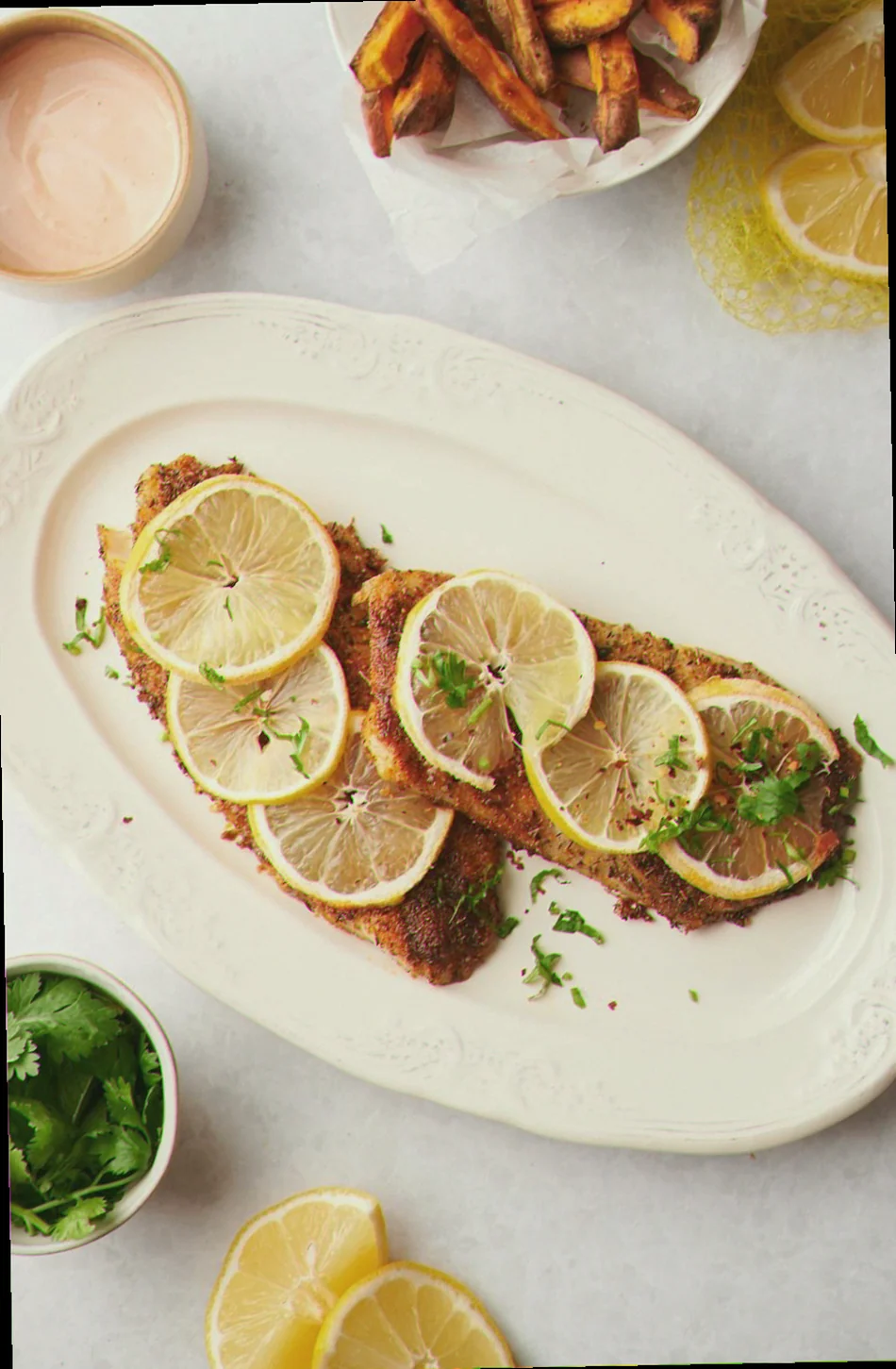
A perfectly baked snapper delivers a flaky, tender interior encased in a subtly crisp exterior, its mild, sweet flavour enhanced by aromatic herbs and a hint of citrus. This particular recipe shines by leveraging a high-heat baking method and a simple yet effective flavour infusion to ensure the delicate fish is cooked through without becoming dry.
Recipe Overview
| Detail | Value |
|---|---|
| Dish | Baked Snapper with Lemon and Herbs |
| Cuisine / category | Mediterranean-inspired Seafood Dinner |
| Prep time | 15 minutes |
| Cook time | 12-18 minutes |
| Total time | 27-33 minutes |
| Servings | 4 |
| Difficulty | Easy |
| Key technique | High-heat baking |
| Flavour profile | Herbaceous, Citrusy, Mildly Savoury |
| Best served | Weeknight dinners, Casual gatherings |
Ingredients
This ingredient list is curated to enhance the natural sweetness of snapper, providing a bright and aromatic profile without overpowering the fish.
- 4 x 170g snapper fillets, skin on or off
- 60ml extra virgin olive oil
- 2 lemons, 1 juiced (approx. 30ml) and 1 thinly sliced
- 3 cloves garlic, thinly sliced
- 15g fresh parsley, finely chopped
- 10g fresh dill, finely chopped
- 5g fresh thyme leaves
- 1 teaspoon sea salt, or to taste
- ½ teaspoon freshly ground black pepper, or to taste
- Optional: Pinch of red pepper flakes for a touch of heat
Step-by-Step Method
The method is designed to achieve optimal heat penetration for tender fish while allowing the aromatics to infuse beautifully.
- Step 1 - Preheat Oven and Prepare Baking Dish: Preheat your oven to 200°C (180°C fan/400°F). Lightly grease a baking dish large enough to hold the snapper fillets in a single layer. This ensures even cooking and prevents sticking.
- Step 2 - Prepare the Marinade: In a small bowl, whisk together the 60ml extra virgin olive oil, 30ml lemon juice, thinly sliced garlic, chopped parsley, dill, thyme leaves, sea salt, black pepper, and optional red pepper flakes. This mixture will form the flavour base.
- Step 3 - Marinate the Snapper: Pat the snapper fillets dry with paper towels. Place them in the prepared baking dish. Spoon about half of the olive oil and herb mixture evenly over the fillets. Allow to marinate for at least 5 minutes at room temperature, or up to 30 minutes in the refrigerator.
- Step 4 - Arrange Lemon Slices: Tuck the thinly sliced lemon rounds around and on top of the snapper fillets. These will steam and release their citrusy essence as the fish bakes, adding a bright, fresh note.
- Step 5 - Bake the Snapper: Place the baking dish in the preheated oven. Bake for 12 to 18 minutes, depending on the thickness of your fillets. The fish is cooked when it flakes easily with a fork and the flesh is opaque. For thinner fillets, start checking around the 12-minute mark.
- Step 6 - Rest and Serve: Once cooked, remove the baking dish from the oven. Let the snapper rest for 2-3 minutes before serving. This brief rest allows the juices to redistribute, ensuring a moist and tender fillet. Spoon any pan juices over the fish before serving.
The Science Behind Baked Snapper
The success of this baked snapper recipe lies in the controlled application of heat. Baking at 200°C initiates the Maillard reaction on the surface of the fish, creating a delicate, lightly browned crust that adds a subtle textural contrast to the tender, flaky interior. The high temperature also ensures rapid cooking, which is crucial for delicate white fish like snapper. Overcooking can lead to denatured proteins that expel moisture, resulting in dry, mealy flesh. The olive oil acts as a conductor of heat, helping to cook the fish evenly, while the acidity from the lemon juice gently "cooks" the surface proteins, contributing to a tender texture and a bright, herbaceous flavour profile.
Ingredient Substitutions and Variations
- Snapper Fillets → Cod or Halibut: Cod and halibut are excellent substitutes for snapper, offering a similar mild flavour and flaky texture. The cooking time will be comparable, but always check for doneness with a fork.
- Fresh Herbs (Parsley, Dill, Thyme) → Dried Herbs: If fresh herbs are unavailable, you can use dried herbs, but use about one-third the amount (e.g., 1 teaspoon dried parsley, ½ teaspoon dried dill, ¼ teaspoon dried thyme). Add dried herbs earlier in the process or directly to the marinade to allow them to rehydrate.
- Dietary variation - Dairy-Free: This recipe is naturally dairy-free.
- Flavour variation - Spicier: Increase the red pepper flakes to ½ teaspoon for a more pronounced heat. You could also add a finely minced jalapeño to the marinade.
- Flavour variation - Richer: Add a tablespoon of capers to the marinade for a briny, savoury depth.
Make-Ahead, Storage, and Reheating
While best enjoyed fresh, baked snapper can be prepared ahead of time. You can prepare the herb and lemon marinade up to 24 hours in advance and store it in an airtight container in the refrigerator. The fish itself can be marinated for up to 30 minutes at room temperature or 1 hour in the refrigerator before baking. For make-ahead purposes, bake the snapper completely, let it cool, and store it in an airtight glass container in the refrigerator for up to 2 days. To reheat, gently warm the snapper in a covered oven-safe dish at 150°C (300°F) for 8-10 minutes, or until just heated through. Avoid microwaving, which can make the fish tough and dry.
What to Serve With Baked Snapper
Baked snapper is wonderfully versatile and pairs beautifully with a variety of sides. For a light and refreshing meal, serve it alongside a Quinoa Salad with Roasted Vegetables, which offers complementary textures and earthy flavours. A classic pairing for a weeknight dinner is Garlic Roasted Asparagus, its slight char and garlicky notes harmonising with the fish. For a more substantial meal, consider serving it with Lemon Herb Roasted Potatoes, creating a cohesive Mediterranean-inspired feast perfect for casual gatherings.
Common Mistakes and How to Avoid Them
- Mistake 1: Overcooking the Fish: The most common error is baking for too long, leading to dry, tough snapper. Avoid this by starting to check for doneness at the lower end of the cooking time range (12 minutes) and using a fork to gently flake the thickest part of the fillet. The flesh should be opaque and easily separate.
- Mistake 2: Not Patting the Fish Dry: Excess moisture on the surface of the fish can prevent the skin from crisping (if skin-on) and hinder the infusion of flavours. Always pat snapper fillets thoroughly dry with paper towels before marinating and baking.
- Mistake 3: Overcrowding the Baking Dish: Placing too many fillets too close together will cause them to steam rather than bake, resulting in a less desirable texture. Ensure there is some space between each fillet in the baking dish for even heat circulation.
Frequently Asked Questions
Can I make Baked snapper recipe ahead of time?
Yes, you can prepare the marinade up to 24 hours in advance. The fish itself can be baked, cooled, and stored in an airtight container in the refrigerator for up to 2 days. Reheat gently in the oven at 150°C (300°F) for 8-10 minutes.
How do I know when Baked snapper recipe is cooked properly?
The snapper is cooked when the flesh is opaque and flakes easily with a fork. You can also use an instant-read thermometer; the internal temperature should reach 63°C (145°F) in the thickest part of the fillet.
What is the best substitute for snapper in Baked snapper recipe?
Cod or halibut are excellent substitutes for snapper. They have a similar mild flavour and flaky texture, and the cooking times will be comparable. Always check for doneness as thickness can vary.