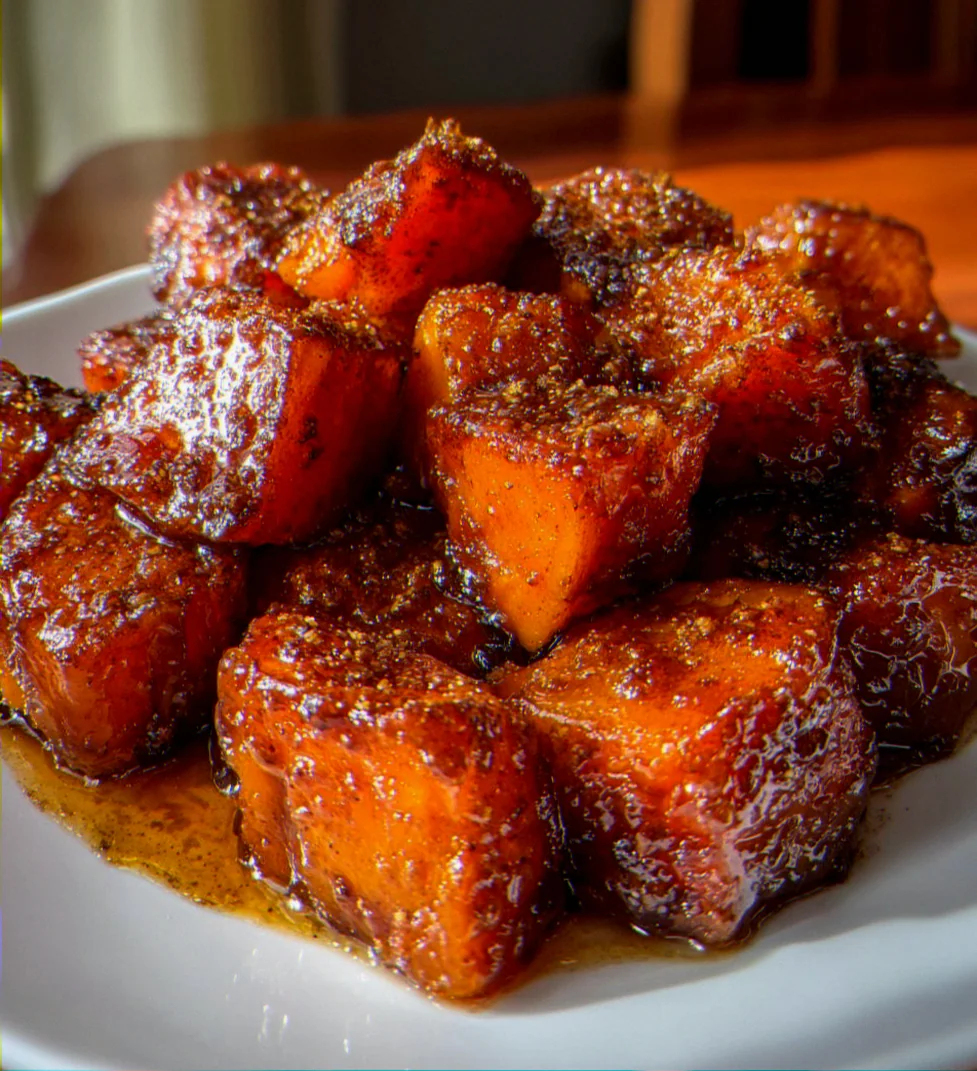
The magical transformation of humble yams into a glistening, sweet confection lies in the intricate dance of sugars and starches under heat. As the yam's cellular structure softens, its inherent starches begin to gelatinise, absorbing moisture and contributing to a creamy texture. Simultaneously, the natural sugars within the yam, along with added sweeteners, undergo caramelisation, a complex process of sugar degradation that generates hundreds of new flavour compounds, imparting those signature deep, toasty, and slightly bitter notes that define Candy yam.
Complete Recipe Overview
| Property | Detail |
|---|---|
| Dish entity | Candied Yams |
| Cuisine origin | African American Cuisine, Southern United States |
| Defining technique | Slow Baking and Glazing |
| Hero ingredients | Sweet Potatoes (Yams), Brown Sugar, Butter |
| Critical ratio | Sweet Potato Solids to Liquid Sweetener/Fat (approximately 4:1 by volume before cooking) |
| Prep time | 20 minutes |
| Cook time | 60-75 minutes at 190°C |
| Rest / chill time | 15 minutes before serving |
| Yield | 6-8 servings |
| Difficulty | Easy - requires basic chopping and oven monitoring. |
Ingredients: Quantities, Roles, and Critical Ratios
The success of Candied Yams hinges on balancing the natural sweetness and starch content of the sweet potatoes with the richness of fats and the intensity of added sugars. The critical ratio of sweet potato solids to liquid sweetener/fat ensures that the yams become tender and absorb the glaze without becoming mushy or overly syrupy. Too much liquid will result in a watery dish, while too little will lead to a dry, less flavourful outcome.
- Sweet Potatoes (Yams) - 1200 grams - Role: The starchy foundation providing sweetness, colour, and bulk.
- Brown Sugar - 150 grams - Role: Provides deep caramel notes and contributes to the glossy glaze through caramelisation. Light brown sugar is preferred for a subtler molasses flavour.
- Unsalted Butter - 115 grams - Role: Adds richness, mouthfeel, and aids in the smooth emulsification of the glaze, preventing it from crystallising.
- Water or Orange Juice - 120 ml - Role: Dissolves the sugar, creating a liquid base for the glaze and providing steam during baking to help soften the yams. Orange juice adds a subtle citrus brightness.
- Ground Cinnamon - 5 grams - Role: A classic warming spice that complements the sweetness of the yams.
- Ground Nutmeg - 2 grams - Role: Adds a slightly nutty, complex aroma and flavour.
- Vanilla Extract - 5 ml - Role: Enhances the overall sweetness and rounds out the flavour profile.
- Salt - 3 grams - Role: Balances the sweetness and brightens the other flavours.
The Science of Sweet Potato Starch Gelatinisation
Sweet potatoes, like other starchy vegetables, are rich in complex carbohydrates, primarily starch. Starch granules are essentially microscopic packages of amylose and amylopectin molecules. When sweet potatoes are subjected to heat in the presence of moisture, a process known as gelatinisation occurs. The heat energy causes the starch granules to absorb water, swell, and break down their crystalline structure. This releases the amylose and amylopectin into the surrounding liquid, increasing the viscosity of the cooking medium and creating the characteristic tender, yielding texture of cooked sweet potatoes. In Candied Yams, this gelatinisation is crucial for achieving a creamy interior that readily absorbs the rich glaze, while the natural sugars within the potato begin to caramelise, intensifying their sweetness and contributing to the dish's glossy appearance and complex flavour profile.
Method: Slow Baking and Glazing at Every Critical Stage
The method focuses on gentle cooking to allow the sweet potatoes to soften and absorb the glaze without breaking down completely.
- Preheat Oven - Oven Preparation: Preheat your oven to 190°C. Ensure your oven is accurately calibrated; an oven that is too hot can lead to burnt sugar before the yams are tender.
- Prepare Sweet Potatoes - Peeling and Slicing: Peel the sweet potatoes and slice them into uniform rounds or cubes, approximately 1.5 cm thick. Uniformity is key for even cooking.
- Combine Glaze Ingredients - Emulsification and Dissolution: In a medium saucepan, combine the brown sugar, butter, water (or orange juice), cinnamon, nutmeg, vanilla extract, and salt. Heat over medium heat, stirring constantly, until the butter is melted and the sugar is completely dissolved. Do not boil vigorously; a gentle simmer is sufficient.
- Assemble for Baking - Layering for Absorption: Arrange the sliced sweet potatoes in a single layer in a baking dish (approximately 23x33 cm). Pour the prepared glaze evenly over the sweet potatoes, ensuring each piece is coated.
- Initial Bake - Softening the Core: Cover the baking dish tightly with aluminium foil. Bake for 45 minutes at 190°C. This steaming phase allows the sweet potatoes to soften and begin absorbing the glaze.
- Uncover and Glaze - Critical Control Point 1: Caramelisation and Reduction: After 45 minutes, remove the foil. The liquid should have thickened slightly. Continue baking uncovered for another 20-30 minutes, or until the sweet potatoes are fork-tender and the glaze has thickened and is bubbling around the edges. This is a critical control point: watch for the glaze to reduce and become syrupy. If it starts to burn, reduce the oven temperature by 10°C.
- Monitor Doneness - Sensory Cue: The sweet potatoes should yield easily to a fork, and the glaze should be thick and glossy, coating the yams with a beautiful sheen. Avoid overcooking, which can result in mushy yams.
- Rest - Flavour Meld: Once baked, remove the dish from the oven and let it rest, uncovered, for 15 minutes. This allows the glaze to further thicken and coat the yams more effectively, and the flavours to meld.
- Plate and Serve: Spoon the candied yams into a serving dish, ensuring each portion gets a generous amount of the glossy glaze.
Cultural and Historical Context of African American Cuisine
Candied Yams are a cornerstone of soul food, deeply rooted in the culinary traditions of African American communities in the American South. Their origins can be traced back to the post-Civil War era, where enslaved Africans and their descendants creatively adapted available ingredients. Sweet potatoes, a staple crop that thrived in the Southern climate, were transformed into a celebratory dish, often served during holidays and special gatherings. The addition of sugar, a luxury commodity, elevated this humble root vegetable into a rich, sweet confection, symbolizing abundance and a cherished tradition passed down through generations.
Variations Across Southern United States
- Louisiana Creole Style: This variation often incorporates spices like allspice and a splash of dark rum or brandy into the glaze, adding complexity and a hint of boozy warmth. Some versions might even include a touch of cayenne pepper for a subtle sweet-and-spicy contrast.
- Appalachian Style: Simpler versions found in more rural Appalachian regions might rely solely on the natural sweetness of the sweet potatoes with minimal added sugar, often featuring just butter and a sprinkle of cinnamon.
- Vegan Adaptation: To make Candied Yams vegan, substitute the butter with a high-quality vegan butter alternative or coconut oil. Ensure the brown sugar used is vegan-certified, as some sugars are processed with bone char. The texture and richness remain comparable.
- Modern Fusion: Contemporary chefs might introduce unexpected flavour elements like ginger, cardamom, or even a drizzle of maple syrup alongside the brown sugar for a more nuanced sweetness.
Storage, Freezing, and Reheating Candied Yams
Candied Yams are best enjoyed fresh, but they can be stored and reheated with some textural considerations.
Refrigerator Storage: Store cooled candied yams in an airtight container in the refrigerator for up to 3-4 days. The glaze will thicken considerably upon cooling.
Freezer Storage: Freezing candied yams is possible, but it can alter the texture. Store in freezer-safe containers for up to 2 months. The yams may become slightly more watery and less firm upon thawing.
Reheating: For best results, reheat in a 175°C oven for 15-20 minutes, covered with foil initially, then uncovered for the last 5-10 minutes to allow the glaze to re-thicken. Alternatively, gently warm on the stovetop over low heat, stirring occasionally. Be cautious not to overcook, as they can become mushy.
Pairing Candied Yams: Sides, Sauces, and Drinks
Candied Yams are a classic accompaniment to rich, savoury main courses. They pair exceptionally well with Fried Chicken, the crispiness and saltiness of the chicken providing a delightful contrast to the soft sweetness of the yams. Another excellent pairing is Smoked Turkey Breast, where the smoky, umami notes complement the caramelised sugars. While Candied Yams have their own glaze, a simple drizzle of extra melted butter or a touch of their own cooking liquid can enhance their richness. For beverages, a slightly off-dry Riesling wine works wonderfully, its subtle sweetness and bright acidity cutting through the richness. For a non-alcoholic option, a sparkling Cranberry Juice offers a refreshing tartness and festive colour.
Answers to the Most-Searched Questions About Candied Yams
What temperature should Candied Yams be cooked at - and how do I know it's done?
Candied Yams are typically cooked at 190°C. They are done when the sweet potatoes are fork-tender, yielding easily without falling apart, and the glaze has thickened and become glossy and bubbly around the edges. The internal temperature of the sweet potato flesh should be around 90°C.
What is the difference between Candied Yams and Sweet Potato Casserole?
The primary difference lies in the texture and topping. Candied Yams are typically sliced or cubed sweet potatoes baked in a rich, syrupy glaze of butter and brown sugar, resulting in a soft, almost pudding-like consistency. Sweet Potato Casserole, on the other hand, often features mashed sweet potatoes and is traditionally topped with marshmallows or a pecan streusel, offering a different textural experience and flavour profile.
Can Candied Yams be made in advance, and does it freeze well?
Yes, Candied Yams can be made a day in advance and stored in the refrigerator. They can also be frozen, though the texture may become slightly softer and more watery upon thawing and reheating. For optimal quality, reheating in the oven is recommended to help re-thicken the glaze.