Quick Reference
| Dish | Cottage Cheese Cake |
|---|---|
| Origin | Eastern European (specifically Polish Sernik influence) |
| Hero ingredients | Cottage Cheese, Flour, Lemon Zest |
| Defining technique | Baking |
| Texture | Creamy, Tender |
| Flavour | Tangy, Sweet, Citrusy |
| Total time | 150 minutes (including chilling) |
| Servings | 10 |
| Pairs with | Sparkling Wine |
| Occasion | Dessert, Special Occasion |
Ingredients - What Actually Matters and Why
The soul of this cake is undeniably the cottage cheese. Its high protein content and slightly granular texture, when blended, create a unique custard-like filling that is both creamy and tender, a hallmark of authentic cottage cheese cake. Next, flour is crucial; not just any flour, but finely milled all-purpose flour is essential for binding the ingredients and providing the subtle structure needed to support the rich filling without making it dense or heavy. Finally, lemon zest is the unsung hero, offering a bright, aromatic counterpoint that cuts through the richness of the dairy and prevents the cake from tasting flat or overly sweet.
- Cottage Cheese - 1 kg, full-fat, drained overnight in cheesecloth - Provides the characteristic creamy, slightly tangy custard base.
- Flour - 200 g, all-purpose, finely milled - Binds the filling and provides structure without heaviness.
- Lemon Zest - 2 tablespoons, finely grated - Adds brightness and cuts through the richness, preventing the cake from tasting bland.
- Eggs - 5 large, at room temperature
- Granulated Sugar - 250 g
- Unsalted Butter - 150 g, softened
- Vanilla Extract - 1 teaspoon
- Sour Cream - 100 g, full-fat, at room temperature
- Pinch of Salt
- Optional: Raisins or dried cranberries for the filling
Method: Baking Step by Step
The magic of cottage cheese cake unfolds through a careful process of blending and baking, where each step builds upon the last to achieve its signature texture. This sequence ensures the filling emulsifies properly and bakes evenly, creating that desirable creamy interior.
- Cream the butter and sugar - In a large bowl, beat the softened unsalted butter and granulated sugar together with an electric mixer on medium speed until light and fluffy, about 3-5 minutes. The mixture should be pale yellow and well-aerated, indicating the sugar has dissolved into the fat.
- Incorporate eggs and flavourings - Add the room temperature eggs one at a time, beating well after each addition. Scrape down the sides of the bowl as needed. Stir in the vanilla extract and the finely grated lemon zest. The mixture will look slightly curdled at this stage; this is normal.
- Blend the cottage cheese - In a separate bowl, process the drained cottage cheese using an immersion blender or food processor until it is very smooth and creamy, with no visible curds. This is a critical step for achieving a silky texture.
- Combine wet and dry ingredients - Gradually add the smooth cottage cheese to the butter mixture, mixing on low speed until just combined. Add the sour cream and salt, mixing until incorporated.
- Fold in the flour - Sift the finely milled all-purpose flour over the wet ingredients. Gently fold it in using a spatula until no dry streaks remain. Do not overmix, as this can develop gluten and make the cake tough. If using, gently fold in any optional raisins or dried cranberries now.
- Prepare the springform pan - Preheat your oven to 170°C (340°F). Grease a 23cm (9-inch) springform pan and line the bottom with parchment paper. For a truly even bake and to prevent cracks, consider wrapping the outside of the pan with a few layers of heavy-duty aluminum foil to create a water bath.
- Bake the cake - Pour the batter into the prepared springform pan. Place the pan in the preheated oven. Bake for 60-75 minutes, or until the edges are set and lightly golden, and the center is just barely jiggly when the pan is gently shaken. A skewer inserted near the center should come out with moist crumbs, not wet batter.
- Cool slowly - Turn off the oven, but leave the cake inside with the door slightly ajar for another hour. This gradual cooling process helps prevent cracking.
- Chill thoroughly - Remove the cake from the oven and let it cool completely on a wire rack. Once cooled, cover the pan loosely with plastic wrap and refrigerate for at least 4 hours, preferably overnight, to allow the flavors to meld and the texture to fully set.
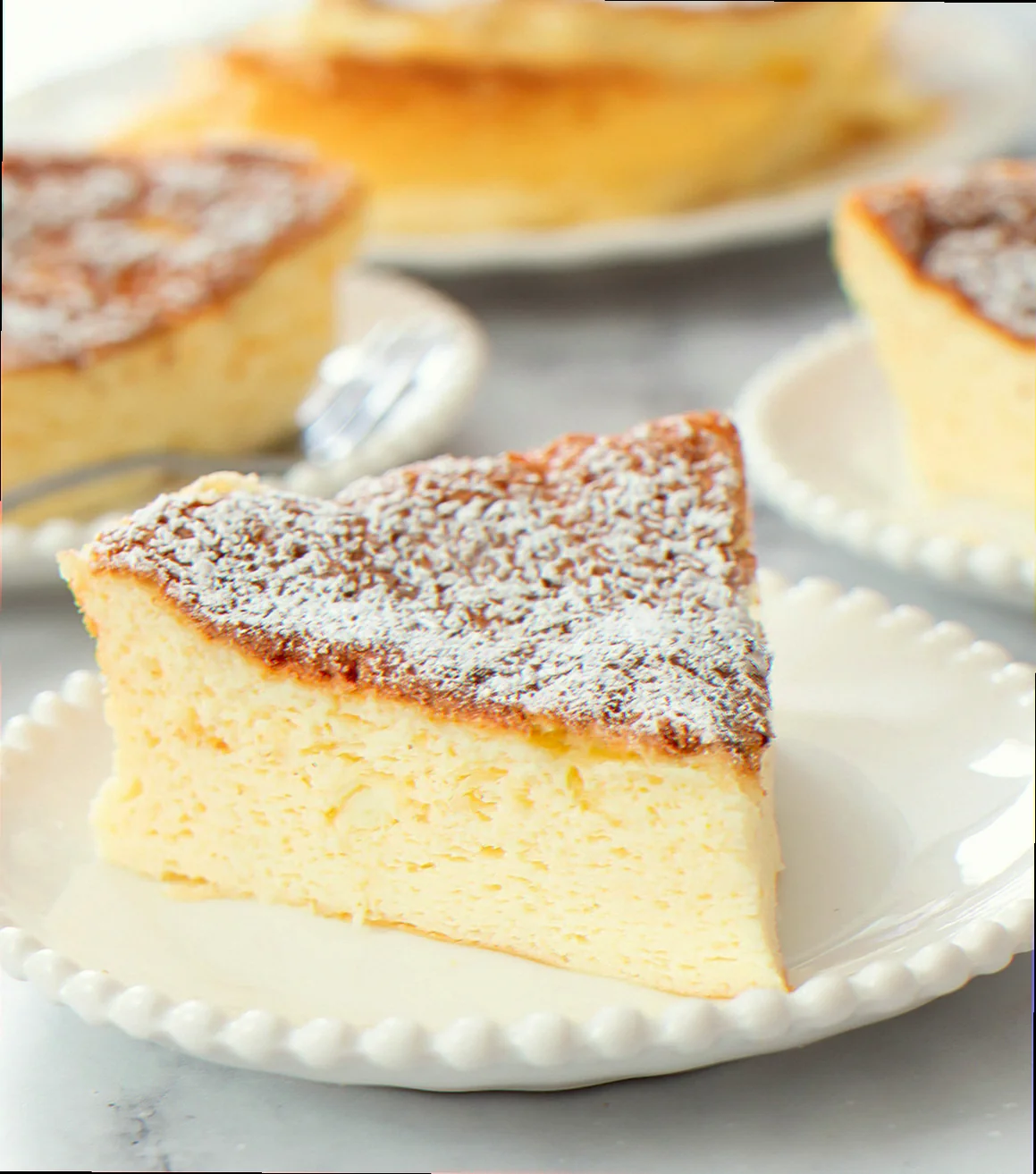
- Finish and plate - Carefully release the springform pan. The finished cake should have a smooth, pale yellow surface, with a dense yet tender interior. Serve chilled or at room temperature, perhaps with a dusting of powdered sugar or a dollop of whipped cream.
Authentic vs Adapted: What Changes and What Doesn't
The inspiration for this recipe comes directly from the rich tradition of Polish Sernik. Authentic Sernik often features a shortcrust pastry base and uses twaróg, a Polish farmer's cheese that is drier and more crumbly than typical Western cottage cheese. The baking method in traditional recipes can also vary, sometimes involving a water bath for extra moisture and tenderness, and a longer, slower cooling process. This adaptation streamlines the process by omitting the pastry base for a crustless cake, a common and acceptable variation that focuses on the pure flavour and texture of the filling. The use of readily available, well-drained cottage cheese is a practical adaptation that yields a remarkably similar creamy texture. However, any adaptation that significantly alters the primary hero ingredients - such as substituting the cottage cheese with cream cheese (which leads to a denser, richer cheesecake) or omitting the lemon zest (which removes a crucial flavour element) - would fundamentally change the identity of a cottage cheese cake, moving it away from its origins.
Substitutions That Work (and Ones That Don't)
- Cottage Cheese → Ricotta Cheese: Mild impact on texture; ricotta can be slightly wetter and less tangy, potentially requiring more draining and a touch more lemon juice to compensate. Still a good substitute.
- Cottage Cheese → Quark Cheese: Excellent substitute; quark is very similar in texture and tang to well-drained cottage cheese, creating a nearly identical result.
- For dietary needs - Gluten-Free: No direct swap needed for the flour in this crustless version. Ensure your flour is certified gluten-free.
- For dietary needs - Dairy-Free/Vegan: This is a significant challenge. While some vegan cream cheese alternatives exist, they do not replicate the unique protein structure of cottage cheese. A vegan version would likely be a completely different dessert, perhaps a cashew-based tart, rather than a true cottage cheese cake.
- Budget swap → Using lower-fat cottage cheese: Significant impact on texture and flavour. Lower-fat versions are often more watery and have a less creamy mouthfeel. For best results, always use full-fat, well-drained cottage cheese.
What to Serve Alongside [Primary Dish Entity]
This delicate cottage cheese cake finds its place alongside other light yet satisfying desserts, such as a classic Panna Cotta or a Raspberry Mousse, which share its focus on creamy textures and fruit-forward notes. The bright, citrusy tang of the cake, combined with its subtle sweetness, makes it a perfect partner for a crisp, dry Sparkling Wine. The effervescence of the wine cuts through the richness of the cake, while its inherent acidity harmonizes with the lemon notes, creating a refreshing and elegant pairing that cleanses the palate with each sip.
Troubleshooting: Why Your Cottage Cheese Cake Went Wrong
- Symptom: The cake cracked significantly on top. Cause: Rapid temperature changes during baking or cooling. The oven might have been too hot, or the cake was cooled too quickly after baking. Fix: Ensure you follow the gradual cooling process, leaving the cake in the oven with the door ajar. Avoid opening the oven door frequently during baking. For future bakes, consider using a water bath.
- Symptom: The cake is watery or curdled. Cause: Insufficiently drained cottage cheese or overmixing after adding the flour. Fix: Drain your cottage cheese thoroughly overnight in cheesecloth. When adding flour, fold it in gently until just combined. Avoid using a mixer at this stage.
- Symptom: The cake is dense and heavy. Cause: Overdeveloped gluten from overmixing the batter, or using too much flour. Fix: Treat the batter gently, especially after adding the flour. Mix only until ingredients are just incorporated. Ensure you are using the correct flour quantity and that it is finely milled.
Make-Ahead and Storage
Cottage cheese cake is an ideal make-ahead dessert. You can prepare the batter and bake the cake up to 2 days in advance. Once completely cooled, cover it loosely with plastic wrap and refrigerate. The flavours actually meld and improve overnight, so chilling for at least 4 hours, or preferably 12-24 hours, is highly recommended. To serve, remove the cake from the refrigerator about 30-60 minutes prior to serving to allow it to come closer to room temperature, which enhances its creamy texture. It can be stored in the refrigerator for up to 3-4 days.
Recipe Questions Answered
What makes Cottage cheese cake different from New York Cheesecake?
The primary difference lies in the hero ingredients and resulting texture. New York Cheesecake relies on cream cheese, resulting in a dense, rich, and incredibly smooth cake with a higher fat content. Cottage cheese cake, using cottage cheese, offers a lighter, more tender, and slightly more granular (though still creamy) texture with a distinctive tangy flavour profile. The baking and cooling methods also often differ, with cottage cheese cakes typically benefiting from a slower, gentler cooling process to maintain their delicate structure.
Can I make Cottage cheese cake recipes without a springform pan?
While a springform pan is ideal for easy removal and its tall sides, you can adapt this recipe. Use a regular 23cm (9-inch) cake pan or a pie plate. Line the bottom with parchment paper for easier removal, and grease the sides well. The cake will likely be a bit harder to extract cleanly, and it will not have the characteristic clean edges of a springform cake. The texture and flavour will remain the same, but the presentation will be different.
How do I scale Cottage cheese cake recipes for a crowd?
To scale this recipe for a larger crowd, you will generally need to double or triple all ingredient quantities. You will likely need to bake the cakes in multiple pans simultaneously or bake them in batches. Be mindful of oven capacity and ensure even heat distribution. The baking time might need slight adjustments depending on the size and depth of your pans. It is also crucial to maintain the slow cooling process to prevent cracks, so plan for sufficient oven and counter space for multiple cakes to cool gradually.