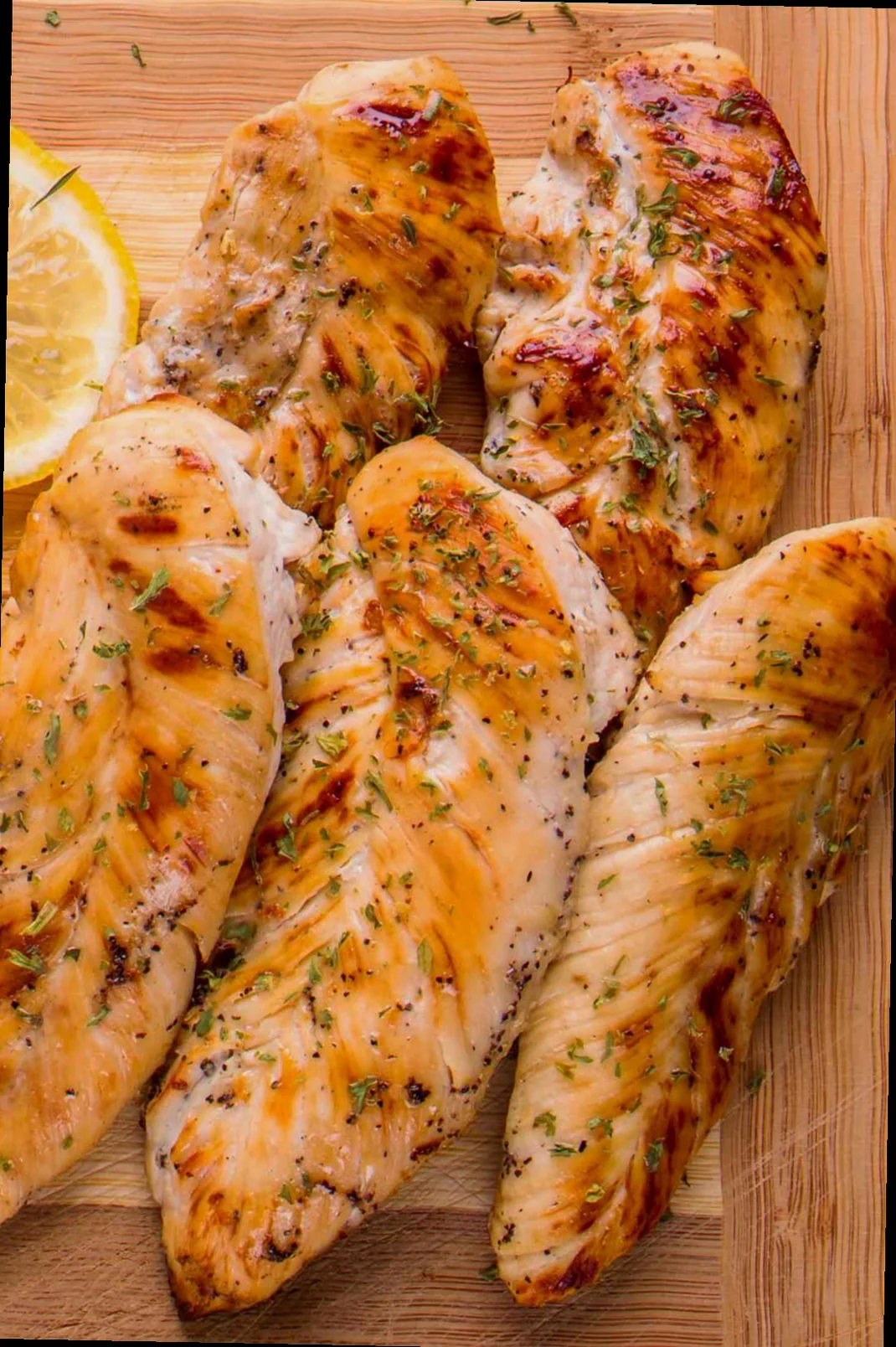
The transformation of raw chicken tenderloins into a golden-brown, juicy delight relies on the Maillard reaction - a chemical process between amino acids and reducing sugars that creates hundreds of flavour compounds. Baked chicken tenders, originating from American Southern cuisine, are prized for their tender texture and ability to absorb flavour. Achieving this perfect balance of tenderness and crispness is the key to a successful dish.
Complete Recipe Overview
| Property | Detail |
|---|---|
| Dish entity | Baked Chicken Tenders |
| Cuisine origin | American Southern |
| Defining technique | Oven Baking |
| Hero ingredients | Chicken Tenderloins, Breadcrumbs, Buttermilk |
| Critical ratio | Dry:Wet (Breadcrumb to Buttermilk) - 2:1 |
| Prep time | 20 minutes |
| Cook time | 20-25 minutes at 200°C |
| Rest / chill time | 10 minutes (optional, for crispier coating) |
| Yield | 4 servings |
| Difficulty | Easy - This recipe is straightforward and requires minimal culinary skill, making it ideal for beginner cooks. |
Ingredients: Quantities, Roles, and Critical Ratios
This recipe hinges on a balanced coating that adheres well to the chicken and delivers a satisfying crunch. The buttermilk tenderizes the chicken, while the breadcrumbs provide the textural contrast. The 2:1 ratio of dry (breadcrumbs) to wet (buttermilk) ingredients is crucial for achieving a coating that's neither too soggy nor too dry. Too much buttermilk results in a coating that slides off; too little, and the breadcrumbs won't adhere properly.
- Chicken Tenderloins - 500g - Role: The primary protein source, providing the dish's core flavour and texture.
- Buttermilk - 120ml - Role: Tenderizes the chicken, adds a subtle tang, and helps the breadcrumbs adhere.
- Breadcrumbs - 250g (Panko recommended) - Role: Creates a crispy, golden-brown coating. Panko breadcrumbs offer a lighter, airier texture.
- All-Purpose Flour - 50g - Role: Provides a base layer for the breadcrumbs to cling to.
- Paprika - 1 tsp - Role: Adds colour and a subtle smoky flavour.
- Garlic Powder - 1 tsp - Role: Enhances the savoury flavour profile.
- Salt - 1 tsp - Role: Seasoning, enhances flavour.
- Black Pepper - ½ tsp - Role: Seasoning, adds a subtle spice.
- Vegetable Oil - 2 tbsp - Role: Helps the breadcrumbs brown and adds a slight richness.
The Science of Buttermilk
Buttermilk isn't actually butter; it's the liquid left over after churning butter. Traditionally, it contained the butterfat solids, but modern buttermilk is often cultured - meaning lactic acid bacteria are added. These bacteria ferment lactose (milk sugar), producing lactic acid. This lactic acid is the key to buttermilk's tenderizing power. The acid denatures the proteins in the chicken, breaking down muscle fibres and resulting in a more tender final product. The acidity also inhibits the growth of undesirable bacteria, extending the chicken's marinating time safely. Furthermore, the slightly viscous nature of buttermilk helps the breadcrumbs adhere, creating a more robust coating.
Method: Oven Baking at Every Critical Stage
This method is optimized for even cooking and maximum crispness, ensuring the chicken is cooked through while maintaining a delightful crunch.
- Marinate - Chicken: Place chicken tenderloins in a bowl with buttermilk, salt, and pepper. Cover and refrigerate for at least 30 minutes, or up to 4 hours.
- Prepare - Coating Station: In a shallow dish, combine breadcrumbs, flour, paprika, and garlic powder.
- Coat - Chicken: Remove chicken from buttermilk, allowing excess to drip off. Dredge each tenderloin in the breadcrumb mixture, pressing to ensure even coating.
- Arrange - Baking Sheet: Place breaded chicken tenders on a baking sheet lined with parchment paper. Drizzle with vegetable oil.
- Bake - 200°C: Bake for 20-25 minutes, flipping halfway through, until golden brown and the internal temperature reaches 74°C.
- Critical control point 1 - Flipping: Flipping the tenders halfway through ensures even browning and prevents sticking. If the tenders are sticking, gently loosen them with a spatula before flipping.
- Bake - Continued: Continue baking until the chicken is cooked through and the coating is crispy.
- Critical control point 2 - Internal Temperature: Using a meat thermometer is crucial. Undercooked chicken is a food safety hazard. If the internal temperature isn't 74°C after 25 minutes, continue baking in 5-minute increments.
- Rest - 10 minutes: Allow the chicken tenders to rest for 10 minutes before serving. This allows the juices to redistribute, resulting in a more tender and flavourful product.
- Plate and serve: Arrange the golden-brown chicken tenders on a platter, garnished with fresh parsley.
Cultural and Historical Context of American Southern Cuisine
American Southern cuisine, born from the blending of African, European, and Native American culinary traditions, developed in the Southeastern United States. Rooted in resourcefulness and utilizing locally available ingredients, it emphasizes hearty, flavourful dishes. Fried chicken, a cornerstone of Southern cooking, evolved from Scottish frying techniques brought by colonists. While fried chicken is more iconic, baking chicken - like these tenders - offered a less labour-intensive alternative, particularly during warmer months. The use of buttermilk, a staple in Southern households due to dairy farming, became integral to tenderizing meats.
Variations Across Regional Entities
- Louisiana Creole - Incorporates Cajun spices like cayenne pepper and paprika, resulting in a spicier, more robust flavour profile.
- Texas - Often features a thicker, more seasoned breading, sometimes including crushed cornflakes for extra crunch.
- Vegan Adaptation - Substitute chicken with firm tofu or seitan, and use plant-based buttermilk (almond milk with lemon juice). The texture will differ, but the flavour can be remarkably similar.
- Air Fryer Adaptation - Cooking in an air fryer at 180°C for 12-15 minutes yields an even crispier result with less oil.
Storage, Freezing, and Reheating Baked Chicken Tenders
Leftover baked chicken tenders can be stored for up to 3 days in the refrigerator in an airtight container. The coating will lose some of its crispness. For longer storage, freeze them. Spread the tenders in a single layer on a baking sheet and freeze for 1-2 hours, then transfer to a freezer-safe bag or container. They can be stored frozen for up to 3 months. Reheat in the oven at 180°C for 10-15 minutes to restore some crispness, or in an air fryer for 5-8 minutes. Reheating in a microwave will result in a soggy coating.
Pairing Baked Chicken Tenders: Sides, Sauces, and Drinks
Baked chicken tenders pair beautifully with classic Southern sides like coleslaw and mashed potatoes. The creamy coleslaw provides a cool contrast to the crispy chicken, while the mashed potatoes offer a comforting starchiness. A tangy barbecue sauce complements the chicken's flavour. For a drink pairing, a crisp Sauvignon Blanc cuts through the richness of the chicken and coating, while its citrusy notes enhance the overall flavour profile.
Answers to the Most-Searched Questions About How long to cook chicken tender in oven
What temperature should baked chicken tenders be cooked at - and how do I know it's done?
Baked chicken tenders should be cooked at 200°C for 20-25 minutes. They are done when the internal temperature reaches 74°C and the coating is golden brown and crispy. The chicken should be opaque throughout, with no pink remaining.
What is the difference between Baked Chicken Tenders and Fried Chicken?
The primary difference lies in the cooking method. Fried chicken is submerged in hot oil, resulting in a significantly crispier coating and richer flavour. Baked chicken tenders use dry heat, resulting in a lighter coating and a healthier overall profile. The flavour profile is also different; fried chicken often has a more pronounced savoury flavour due to the oil.
Can Baked Chicken Tenders be made in advance, and does it freeze well?
Yes, baked chicken tenders can be made in advance and refrigerated for up to 3 days. They also freeze well for up to 3 months. However, the coating will lose some of its crispness upon reheating, regardless of the method used.