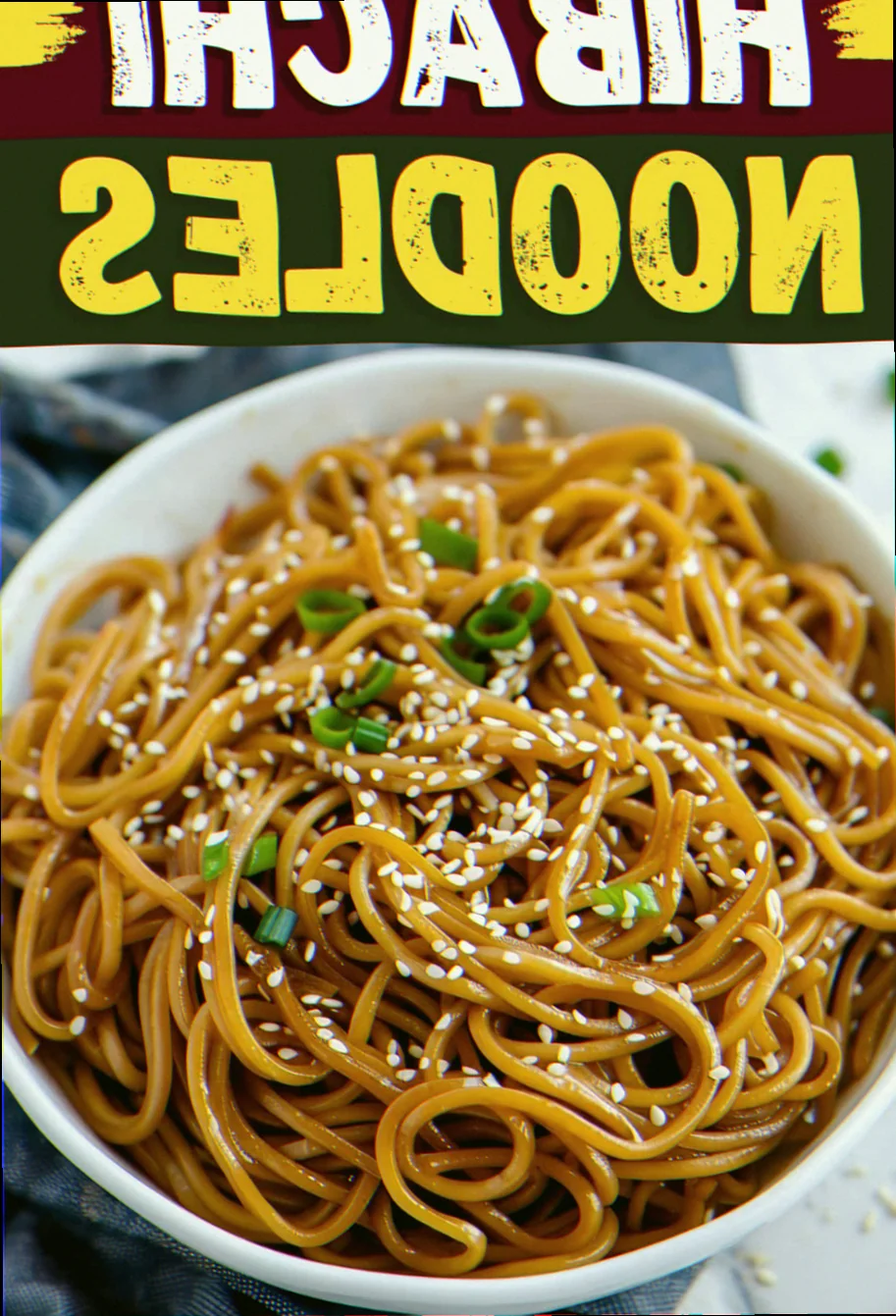
Achieving the signature flavor of Japanese steakhouse noodles relies on the rapid caramelization of sugars against high-alkaline noodles, enriched by a mounting of garlic-infused lipids. This version succeeds by balancing the savory depth of brewed soy sauce with the high smoke point of refined oils and the creamy finish of unsalted butter, ensuring every strand is coated in a glossy, umami-rich glaze that mimics the intense heat of a commercial teppan grill. The result is a dish defined by its slippery texture, charred aromatic edges, and a deeply comforting nutty undertone.
Recipe Overview
| Detail | Value |
|---|---|
| Dish | Teppanyaki-Style Hibachi Noodles |
| Cuisine / category | Japanese-American / Side Dish |
| Prep time | 10 minutes |
| Cook time | 10 minutes |
| Total time | 20 minutes |
| Servings | 4 servings |
| Difficulty | Easy |
| Key technique | High-heat stir-frying and emulsification |
| Flavour profile | Umami, buttery, savory-sweet |
| Best served | Family-style weeknight dinner or festive BBQ |
Ingredients
The ingredient selection focuses on building layers of flavor through fermentation and fat. The use of high-alkaline noodles is crucial for maintaining an al dente structure under intense heat, while the butter acts as the primary vehicle for the garlic aromatics.
- 450g Yakisoba noodles: Fresh or pre-cooked wheat noodles; if using dried, parboil for 1 minute less than package instructions.
- 60g Unsalted butter: High-quality dairy fat to provide the signature steakhouse richness.
- 20g Garlic (approx. 4 cloves): Finely minced to ensure even distribution and rapid infusion.
- 60ml Low-sodium soy sauce: Provides the primary salt component and deep brown color.
- 30ml Mirin: Japanese sweet rice wine to add a subtle shine and balance the salt.
- 15g Granulated sugar: Essential for the Maillard reaction and surface caramelization.
- 15ml Toasted sesame oil: Added at the end to preserve its volatile aromatic compounds.
- 5ml Vegetable oil: A neutral oil with a high smoke point to prevent the butter from scorching.
- 2g Toasted sesame seeds: For garnish and a textural pop.
- 30g Green onions: Finely sliced on a bias for a fresh, sharp contrast.
Step-by-Step Method
The sequence of this method is designed to maximize surface contact with the heat while preventing the garlic from turning bitter through burnt milk solids.
- Step 1 - Prepare the Noodle Base: If using fresh Yakisoba, rinse under 20°C water to remove excess starch and prevent clumping. If using dried noodles, boil in salted water until just under al dente, drain, and toss with a teaspoon of neutral oil to keep them separated. They should feel firm to the touch and slightly springy.
- Step 2 - Infuse the Lipids: Place a large wok or heavy-bottomed cast iron skillet over medium-high heat. Add the 5ml of vegetable oil and 30g of the butter. Once the butter begins to foam and you hear a gentle sizzling, add the 20g of minced garlic. Sauté for 30-45 seconds until the garlic becomes highly fragrant and turns a pale golden straw color; do not allow it to turn dark brown.
- Step 3 - High-Heat Sear: Increase the heat to high until the pan starts to slightly smoke. Add the 450g of noodles. Spread them out to maximize surface area contact. Let them sit undisturbed for 60 seconds until you hear a distinct crackling sound, which indicates the bottom layer is developing a light char and crispy texture.
- Step 4 - Deglaze and Glaze: Pour the 60ml of soy sauce, 30ml of mirin, and 15g of sugar directly over the noodles. Toss vigorously using tongs or a spatula. You should see the liquid bubble violently and begin to reduce into a thick, syrupy glaze that clings to the wheat strands. The noodles will transform from pale yellow to a deep, glossy mahogany.
- Step 5 - Finish and Emulsify: Remove the pan from the direct heat source. Add the remaining 30g of butter and the 15ml of toasted sesame oil. Toss the noodles continuously for 30 seconds. This technique allows the cold butter to emulsify with the soy-based sauce, creating a creamy, non-greasy coating that feels luxurious on the palate.
- Final step - Serve: Transfer the noodles to a warmed platter. Garnish with the 30g of sliced green onions and 2g of toasted sesame seeds. Serve immediately while the steam carries the scent of toasted garlic and sweet soy.
The Science Behind Teppanyaki-Style Hibachi Noodles
The irresistible nature of this dish is rooted in the Maillard reaction. When the noodles, which contain proteins and reducing sugars (from the added sugar and mirin), are subjected to temperatures above 140°C, hundreds of different flavor compounds are created. This is why the "sear" in Step 3 is vital; without that high-heat contact, the noodles merely steam, resulting in a soggy texture rather than the desired "wok hei" or breath of the wok.
Furthermore, the use of emulsification at the finish is a classic culinary technique. By adding cold butter to a hot sauce off the heat, the milk solids and fats bind with the water-based soy sauce. This creates a stable emulsion that provides a "velvet" mouthfeel. If the butter were added too early at a high temperature, the fats would separate, leaving the noodles oily rather than creamy. The alkaline nature of Yakisoba noodles also plays a role-the higher pH level gives the noodles a yellow tint and a slippery, firm texture that resists breaking down during the vigorous tossing required for this recipe.
Ingredient Substitutions and Variations
Adapting this recipe for different dietary needs or pantry availability requires understanding how each substitute interacts with the heat and the sauce base.
- Yakisoba noodles → Spaghetti: If Japanese wheat noodles are unavailable, use 400g of dried spaghetti. Boil them with 1 tablespoon of baking soda; the alkalinity of the soda mimics the texture and color of ramen/yakisoba. Verdict: Works exceptionally well as a budget-friendly alternative.
- Soy sauce → Tamari: For a gluten-free version, replace the soy sauce with an equal volume of Tamari. Tamari has a richer, less salty profile, so you may need to add a pinch of sea salt. Verdict: Works well; provides a deeper color.
- Granulated sugar → Honey or Maple Syrup: This changes the flavor profile to be more floral. Note that honey burns faster than granulated sugar, so reduce the heat slightly during the glazing phase. Verdict: Use only if a distinct sweetness is desired.
- Dietary variation - Vegan: Replace the butter with a high-quality vegan buttery spread or a neutral oil mixed with a teaspoon of nutritional yeast for umami. Verdict: The texture will be less creamy but the flavor remains savory.
- Flavour variation - Spicy: Incorporate 15g of chili crisp or Sriracha during the glazing step. This adds heat and a fermented chili undertone that complements the garlic beautifully.
Make-Ahead, Storage, and Reheating
While best enjoyed fresh from the pan, these noodles hold up well for meal preparation. To make ahead, undercook the noodles by 2 minutes, toss in oil, and store them separately from the sauce components. If already cooked, store the finished dish in an airtight glass container in the refrigerator at 4°C for up to 3 days.
Reheating is critical: Avoid the microwave if possible, as it can make the noodles rubbery. Instead, reheat in a skillet over medium heat with 15ml of water or chicken stock. The steam will loosen the starches and the butter, restoring the original glossy texture. Ensure the internal temperature reaches 74°C before serving.
What to Serve With Hibachi Noodles
This dish is traditionally a component of a larger Teppanyaki meal. To recreate the full steakhouse experience, pair these noodles with the following entities:
- Hibachi Chicken or Steak: Protein seared with soy sauce and lemon juice provides a savory counterpoint to the sweet noodles.
- Yum Yum Sauce: This mayo-based, tomato-tinged dipping sauce offers a tangy acidity that cuts through the richness of the buttery noodles.
- Miso Soup: Serve as an appetizer to provide a light, fermented start that prepares the palate for the heavier main course.
- Sautéed Zucchini and Onions: The high water content of these vegetables balances the dense, carb-heavy nature of the noodles, making for a well-rounded meal.
Common Mistakes and How to Avoid Them
- Mistake 1: Overcrowding the pan. Adding too many noodles at once drops the pan temperature significantly, causing the noodles to stew in their own moisture rather than frying. Fix: If doubling the recipe for a crowd, cook in two separate batches to maintain high heat.
- Mistake 2: Using only butter for frying. Butter has a low smoke point (approx. 150°C) due to its milk solids. Frying