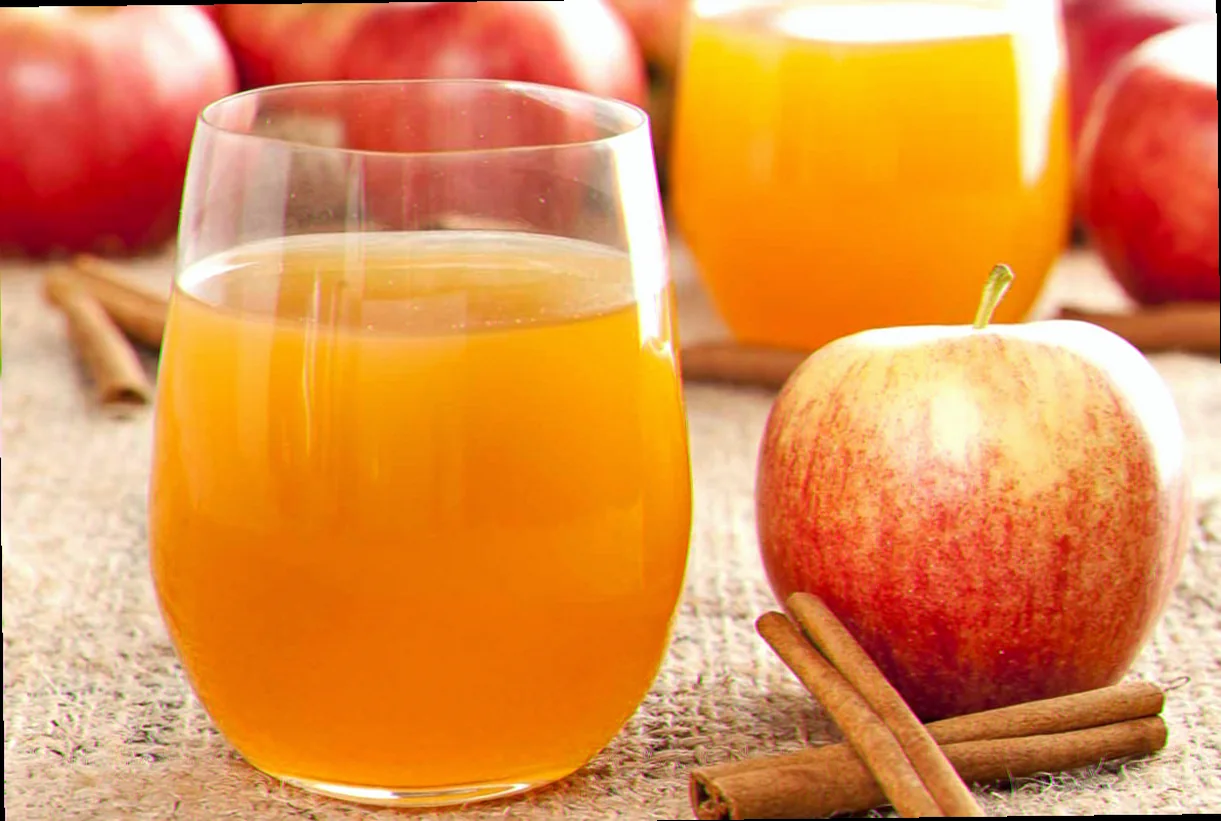
The scent of crisp autumn air, the sweet-tart tang of freshly pressed fruit - that's the promise of homemade apple juice. Originating in the orchards of Northern Europe and North America, this isn't the sugary, pasteurised juice of the supermarket. This is a vibrant, living beverage where the quality of the apples, the efficiency of the extraction, and the balance of sweetness and acidity are paramount. Get those three elements right, and you'll have a juice that's both incredibly refreshing and deeply satisfying.
Quick Reference
| Field | Detail |
|---|---|
| Dish | Apple Juice |
| Origin | Northern Europe & North America |
| Hero ingredients | Apples, Lemon, Spice (Cinnamon) |
| Defining technique | Extraction |
| Texture | Smooth, Viscous |
| Flavour | Sweet, Tart, Aromatic |
| Total time | 30-45 minutes |
| Servings | 6-8 |
| Pairs with | Dry Riesling |
| Occasion | Autumnal Brunch, Thanksgiving, Casual Gathering |
Ingredients - What Actually Matters and Why
The foundation of exceptional apple juice is, unsurprisingly, the apples themselves. They provide the bulk of the flavour, colour, and natural sugars. Lemon juice acts as a natural preservative, preventing browning and enhancing the tartness, creating a more complex flavour profile. Finally, a touch of cinnamon adds warmth and aromatic depth, elevating the juice beyond simple fruitiness.
- Apples - 2kg (approx. 8-10 medium) - These are the star, providing the juice's body, sweetness, and characteristic apple flavour. Use a blend of varieties for complexity.
- Lemon juice - 2 tablespoons - This brightens the flavour and prevents oxidation, keeping the juice looking fresh.
- Cinnamon stick - 1 (approx. 7-8cm) - Infuses a subtle warmth and spice, complementing the apple's sweetness.
- Water - 100ml (optional, for easier extraction)
- Granulated Sugar - 2 tablespoons (optional, adjust to taste)
Method: Extract Step by Step
The key to great apple juice is efficient extraction, followed by careful balancing of flavour. We'll begin by preparing the apples, then systematically extract the juice, finishing with a final taste test and adjustment.
- Wash - Apples: Thoroughly rinse the apples under cold water to remove any dirt or residue.
- Quarter - Apples: Cut the apples into quarters, removing the core. This makes them easier to process in the juicer.
- Extract - Juice: Feed the apple quarters into a juicer, alternating with small pieces of cinnamon stick. Observe the colour - it should be a vibrant golden yellow.
- Dilute - Juice (optional): If the juicer struggles, add a small amount of water (10-20ml at a time) to help the process.
- Strain - Juice: Pass the extracted juice through a fine-mesh sieve lined with cheesecloth to remove any pulp and achieve a smoother texture.
- Adjust - Flavour: Stir in the lemon juice and sugar (if using). Taste and adjust sweetness as needed. The juice should be balanced - sweet, tart, and aromatic.
- Finish and plate: Pour the juice into chilled glasses. Garnish with a thin apple slice and a small cinnamon stick for a visually appealing presentation. The finished juice should be a clear, golden colour with a slightly viscous texture.
Authentic vs Adapted: What Changes and What Doesn't
Traditionally, apple juice in Northern Europe and early America was a seasonal, small-batch affair. Farmers would press apples harvested directly from their orchards, often using simple hand-cranked presses. The juice was consumed fresh, with minimal processing. This original juice was often cloudy, unfiltered, and retained more of the apple's natural sediment. This recipe adapts that tradition for the modern kitchen, utilising an electric juicer for convenience. The core principles - using high-quality apples, balancing sweetness and acidity, and preserving freshness - remain unchanged. However, adding sugar is a modern adaptation; traditionally, the juice relied solely on the natural sugars of the apples. Removing the pulp entirely, while creating a smoother texture, also deviates from the rustic authenticity of the original.
Substitutions That Work (and Ones That Don't)
- Apples → Pears: While pears will yield a juice, the flavour profile will be significantly different - softer, less tart, and lacking the characteristic apple aroma. Not recommended for a true apple juice experience.
- Cinnamon stick → Ground Cinnamon: Use ¼ teaspoon of ground cinnamon, but be careful not to overdo it, as it can become gritty.
- For dietary needs - Vegan: This recipe is naturally vegan.
- For dietary needs - Gluten-Free: This recipe is naturally gluten-free.
- Budget swap: Using less expensive apple varieties (like Gala or Fuji) will still produce a good juice, but the flavour complexity will be reduced.
What to Serve Alongside Apple Juice
Apple juice pairs beautifully with autumnal brunch dishes like pumpkin pancakes or apple crumble. Its sweetness complements savoury flavours, making it a good accompaniment to roasted pork or sharp cheddar cheese. To elevate the experience, pair it with a Dry Riesling. The wine's acidity and subtle sweetness mirror the juice's flavour profile, creating a harmonious pairing.
Troubleshooting: Why Your Apple Juice Went Wrong
Let's address some common pitfalls.
- Symptom: Cloudy Juice. Cause: Insufficient straining. Fix: Use a finer-mesh sieve and cheesecloth to remove all pulp.
- Symptom: Bland Flavour. Cause: Using only one type of apple or insufficient lemon juice. Fix: Blend different apple varieties and ensure you've added the full 2 tablespoons of lemon juice.
- Symptom: Bitter Taste. Cause: Including too much of the apple core or seeds. Fix: Carefully remove the core from each apple quarter before juicing.
Make-Ahead and Storage
Apple juice is best consumed immediately for optimal flavour and freshness. However, you can prep the apples up to 24 hours in advance by quartering them and storing them in an airtight container in the refrigerator, submerged in water with a squeeze of lemon juice to prevent browning. The juice itself can be stored in an airtight container in the refrigerator for up to 2 days, but the flavour and colour will degrade over time. Reheat gently if desired, but avoid boiling, as this will alter the flavour.
Recipe Questions Answered
What makes Apple juice different from Apple Cider?
While often used interchangeably, apple cider is typically unpasteurised and unfiltered, retaining more sediment and a more complex, rustic flavour. Apple juice is usually pasteurised and filtered for clarity and a longer shelf life. This recipe aims for a juice-like clarity but retains the fresh, unpasteurised flavour profile.
Can I make Apple juice without a juicer?
Yes, you can! Blend the apples with a small amount of water, then strain the mixture through several layers of cheesecloth. The yield will be lower, and the juice may be slightly cloudier, but it's a viable alternative.
How do I scale Apple juice recipe for a crowd?
Scale the ingredients proportionally. The juicing time will increase, so factor that into your preparation. You may need to juice in batches if your juicer has a limited capacity. The lemon juice and cinnamon can be scaled linearly, but taste-test frequently to ensure the flavour balance remains correct.