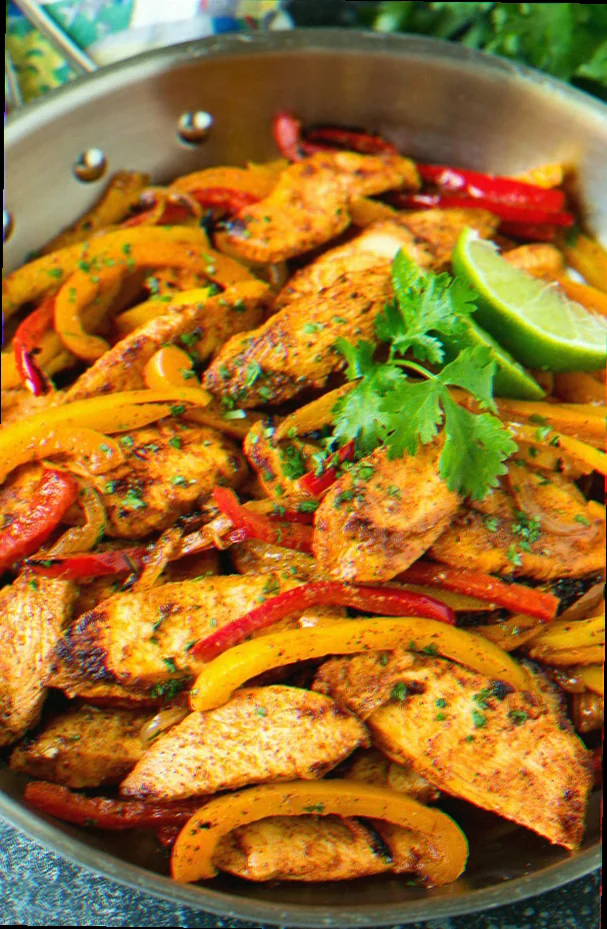
The sizzle, the fragrant steam, the vibrant colours - that's the promise of perfect Chicken Fajitas, and it all begins with a truly exceptional marinade. This recipe focuses on achieving that signature smoky, zesty flavour and tender, succulent texture, which are the hallmarks of authentic Mexican-American cuisine. Getting the balance of citrus, spice, and aromatics right is paramount to transforming simple chicken into a show-stopping fajita filling.
Quick Reference
| Field | Detail |
|---|---|
| Dish | Chicken Fajita Marinade |
| Origin | Mexican-American Cuisine |
| Hero ingredients | Chicken Thighs, Lime Juice, Chili Powder |
| Defining technique | Marinating |
| Texture | Tender, Juicy |
| Flavour | Smoky, Zesty, Savory |
| Total time | 20 minutes (plus marinating time) |
| Servings | 4-6 |
| Pairs with | Margarita |
| Occasion | Weeknight Dinner, Casual Gathering |
Ingredients - What Actually Matters and Why
The foundation of delicious fajitas lies in the quality of its core components, and the marinade is where the magic truly begins. Chicken Thighs are essential for their higher fat content, which keeps them incredibly tender and moist during cooking, preventing the dryness that can plague chicken breasts. Lime Juice is non-negotiable; its acidity tenderizes the meat and provides that crucial bright, zesty counterpoint to the savory spices, cutting through richness. Finally, Chili Powder, a blend of dried chilies, is the heart of the smoky, earthy flavour profile, offering warmth and depth without overwhelming heat.
- Chicken Thighs - 1.5 lbs (about 6-8 boneless, skinless thighs) - these provide unparalleled tenderness and juiciness due to their fat content, making them ideal for fajitas.
- Lime Juice - 1/4 cup (from 2-3 fresh limes) - essential for tenderizing the chicken and delivering a bright, zesty flavour that cuts through richness.
- Chili Powder - 2 tablespoons - forms the backbone of the smoky, savory flavour profile; a good quality blend is key.
- Olive Oil - 2 tablespoons - helps distribute the spices and creates a richer marinade.
- Cumin - 1 tablespoon - adds an earthy, warm depth of flavour that complements the chili powder.
- Garlic Powder - 1 teaspoon - provides a concentrated garlic aroma and taste.
- Onion Powder - 1 teaspoon - adds a subtle sweetness and savory note.
- Smoked Paprika - 1 teaspoon - enhances the smoky character and adds a vibrant colour.
- Oregano (dried Mexican) - 1/2 teaspoon - contributes herbaceous notes that are classic in Mexican-inspired dishes.
- Salt - 1 teaspoon - crucial for enhancing all the other flavours and drawing out moisture.
- Black Pepper - 1/2 teaspoon - adds a subtle peppery bite.
- Optional: Pinch of cayenne pepper or red pepper flakes for extra heat.
Method: Marinating Step by Step
The marinating process is a simple yet critical technique that infuses the chicken with flavour and begins the tenderization process, setting the stage for perfectly cooked fajitas.
- Prepare the chicken: Trim any excess fat from the chicken thighs and pat them completely dry with paper towels. Cut the thighs into bite-sized strips, roughly 1/2 inch thick and 2-3 inches long. This ensures even marination and quick cooking.
- Whisk the marinade: In a medium bowl, combine the fresh lime juice, olive oil, chili powder, cumin, garlic powder, onion powder, smoked paprika, dried oregano, salt, and black pepper. Whisk vigorously until well combined and emulsified. The mixture should be a vibrant, slightly thick paste.
- Marinate the chicken: Add the chicken strips to the bowl with the marinade. Use your hands or a spoon to ensure each piece of chicken is thoroughly coated. The chicken should look glossy and evenly spiced.
- Chill and infuse: Cover the bowl tightly with plastic wrap or transfer the chicken and marinade to a resealable plastic bag. Refrigerate for at least 30 minutes, or preferably for 2 to 4 hours. For optimal flavour and tenderness, you can marinate the chicken overnight. Avoid marinating for much longer than 24 hours, as the acidity of the lime juice can start to break down the chicken's texture too much, leading to a mushy result.
- Ready for cooking: When you're ready to cook, remove the chicken from the refrigerator. The chicken will have a deeper colour and a slightly more softened texture.
Authentic vs Adapted: What Changes and What Doesn't
The concept of "authentic" in Mexican-American cuisine, particularly for dishes like fajitas, is a fascinating blend of tradition and adaptation. Traditionally, fajitas, originating from the Tex-Mex border regions, would have been a simpler affair, often featuring grilled skirt steak or flank steak, marinated in minimal ingredients, and cooked over open flame. The associated dishes were often served with corn tortillas and a simple salsa. This recipe embraces certain adaptations that are now widely accepted and celebrated within the Mexican-American culinary landscape. The use of chicken thighs instead of steak is a popular adaptation for flavour and ease of preparation. The marinade itself, with its complex spice blend and liberal use of citrus, represents a flavour profile that has evolved and become synonymous with the fajita experience in American kitchens. However, the core principles remain non-negotiable: the importance of fresh lime juice for acidity, a robust chili powder base for smoky depth, and sufficient marinating time to ensure tender, flavourful meat. Substituting these fundamental elements would fundamentally alter the dish's identity, moving it away from the beloved Chicken Fajita experience.
Substitutions That Work (and Ones That Don't)
- Chicken Thighs → Chicken Breast: This is a common adaptation. The texture will be leaner and less forgiving; you'll need to reduce marinating time to 1-2 hours maximum to prevent dryness and cook them quickly.
- Lime Juice → Lemon Juice: While it provides acidity, lemon juice has a different flavour profile. It will work in a pinch but will result in a less traditional, less bright taste.
- Chili Powder → Paprika: This will significantly reduce the smoky and complex flavour. You'll lose the defining characteristic of the fajita marinade; it's not a recommended substitute for achieving the desired result.
- For dietary needs - Vegan: Substitute firm or extra-firm tofu or tempeh, pressed and cut into strips. Marinate for at least 4 hours or overnight. The texture will be different, but the flavour profile will be maintained.
- For dietary needs - Gluten-Free: The marinade itself is typically gluten-free. Ensure your chili powder and other spice blends do not contain anti-caking agents with gluten.
- Budget swap: While chicken thighs are already budget-friendly, if you need an even cheaper protein, consider using boneless, skinless chicken drumsticks (remove bone after marinating and before cooking). The flavour will be excellent, but the texture will be slightly different.
What to Serve Alongside Chicken Fajitas
Chicken Fajitas are part of a vibrant culinary constellation that includes dishes like Quesadillas and Enchiladas, all sharing a common heritage in Mexican-American cuisine and often appearing at casual family meals. These dishes complement fajitas through their shared use of similar flavour profiles and comforting textures. For a truly immersive experience, pair your Chicken Fajitas with a classic Margarita. The tartness of the tequila and lime in the margarita cuts through the richness of the chicken and the spices in the marinade, while the subtle sweetness of the agave nectar offers a refreshing contrast. It's a harmonious pairing that enhances the overall enjoyment of the meal.
Troubleshooting: Why Your Chicken Fajitas Went Wrong
- Symptom: Chicken is tough and dry.
- Cause: Overcooking and using lean protein like chicken breast without proper marinating time.
- Fix: Always opt for chicken thighs for their inherent tenderness. If using chicken breast, marinate for no more than 1-2 hours and cook quickly over high heat until just done.
- Symptom: The marinade flavour is bland or one-dimensional.
- Cause: Insufficient marinating time or using low-quality spices.
- Fix: Ensure you marinate for at least 30 minutes, and ideally 2-4 hours. Use fresh, high-quality chili powder, cumin, and other spices.
- Symptom: The chicken is mushy after marinating.
- Cause: Marinating for too long in an acidic liquid.
- Fix: Never marinate chicken in lime juice for more than 24 hours. For this recipe, 2-4 hours is optimal, and overnight is the absolute maximum.
Make-Ahead and Storage
You can absolutely prepare this chicken fajita marinade the night before. Simply combine all ingredients and marinate the chicken thighs in a covered bowl or sealed bag in the refrigerator for up to 24 hours. This is a fantastic way to get a head start on your weeknight dinner. Once cooked, leftover chicken fajita meat can be stored in an airtight container in the refrigerator for up to 3-4 days. Reheat gently in a skillet over medium-low heat with a splash of water or broth to help retain moisture, or microwave for 1-2 minutes until heated through. Avoid over-reheating, which can lead to dryness.
Recipe Questions Answered
What makes Chicken Fajita Marinade different from Carne Asada Marinade?
While both are flavourful marinades for grilled meats, Chicken Fajita Marinade typically features a bolder, more citrus-forward profile with a prominent chili powder base for smokiness, designed to complement the lighter flavour of chicken. Carne Asada marinade, on the other hand, often emphasizes a richer, earthier flavour with ingredients like orange juice, cilantro, and sometimes a touch of soy sauce or Worcestershire sauce (in Tex-Mex versions) to complement the robust flavour of beef, usually skirt or flank steak.
Can I make Chicken Fajita Marinade without a lime?
You can substitute lemon juice or a combination of lemon and lime juice, but it will alter the authentic flavour profile. The characteristic zestiness of lime is integral to a classic fajita marinade. If you have no citrus at all, you'll lose a significant component of the tenderizing and flavour-brightening action.
How do I scale Chicken Fajita Marinade for a crowd?
To scale this recipe for a crowd, simply multiply the ingredient quantities by the number of servings you need. The marinating time remains the same. For cooking, you'll need to work in batches if using a single skillet to avoid overcrowding, which steams the chicken instead of searing it, impacting texture. Ensure each batch is cooked to a beautiful golden-brown sear.