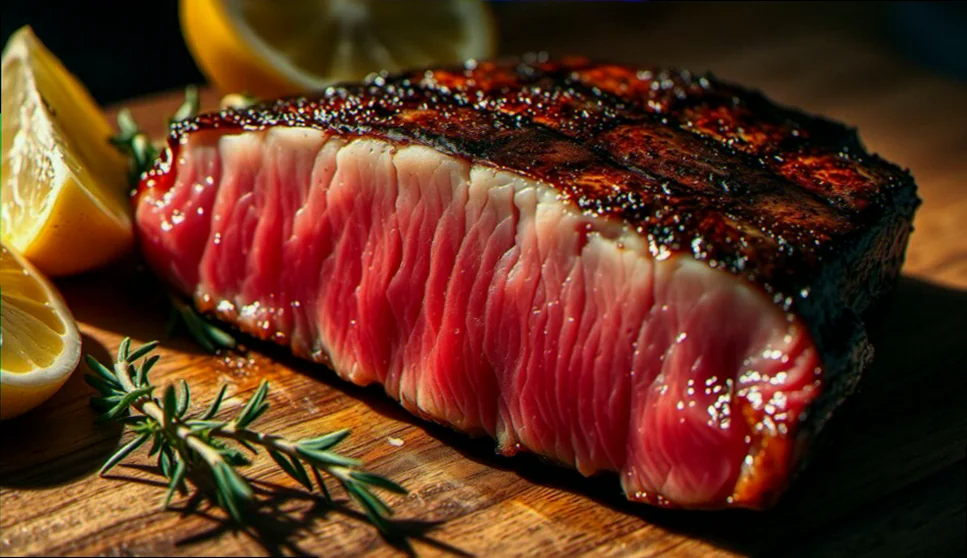
The scent of the ocean, intensified by searing heat and a whisper of citrus, is the first thing that hits you with this Bluefin Tuna Tataki. Originating from Japan, specifically the meticulous traditions of Kyoto's sushi restaurants, this dish is defined by its delicate, almost buttery texture and a bright, umami-rich flavour profile - achieving this requires precise searing and a careful balance of acidity. Mastering this recipe hinges on achieving a perfectly caramelized crust and maintaining a cool, translucent interior.
Quick Reference
| Field | Detail |
|---|---|
| Dish | Bluefin Tuna Tataki |
| Origin | Japan, Kyoto (Sushi Traditions) |
| Hero ingredients | Bluefin Tuna (sushi grade), Yuzu Juice, Sansho Pepper |
| Defining technique | Searing |
| Texture | Crisp, Caramelized Crust, Silky Interior |
| Flavour | Umami, Citrus, Subtle Spice |
| Total time | Prep: 20 mins, Cook: 5 mins |
| Servings | 2 |
| Pairs with | Dry Sake |
| Occasion | Special Occasion, Elevated Dinner |
Ingredients - What Actually Matters and Why
- Bluefin Tuna (sushi grade) - 200g, cut into 2cm cubes - This is the star; its quality dictates the entire experience. Sushi-grade tuna ensures optimal tenderness and a clean, rich flavour that won't be overpowered by other ingredients.
- Yuzu Juice - 30ml - Yuzu's aromatic oils are crucial for creating the signature citrus note and aiding in the searing process, preventing the tuna from sticking.
- Sansho Pepper - 1/2 tsp, freshly ground - This Japanese peppercorn adds a subtle, tingling spice that elevates the umami and cuts through the richness of the tuna.
- Soy Sauce - 2 tbsp, low sodium - Provides a foundational salty element and helps to create a beautiful glaze during searing.
- Mirin - 1 tbsp - Adds sweetness and complexity, balancing the saltiness of the soy sauce.
- Sesame Oil - 1 tsp - Contributes a nutty aroma and sheen to the finished dish.
- Toasted Sesame Seeds - 2 tbsp - For garnish and textural contrast.
- Microgreens (Shiso or Pea Shoots) - For garnish - Adds freshness and visual appeal.
Method: Searing Step by Step
The key to Bluefin Tuna Tataki lies in rapid searing to achieve a beautiful crust while keeping the interior cool and tender. This sequence ensures even cooking and prevents overcooking, which would ruin the delicate texture.
- Prepare the Tuna: Gently pat the tuna cubes dry with paper towels. This is crucial for achieving a good sear.
- Marinate: In a shallow dish, whisk together the yuzu juice, mirin, and soy sauce. Add the tuna cubes and coat evenly. Let marinate for 5 minutes - this allows the yuzu to penetrate the tuna and begin the searing process.
- Sear - Stage 1: Heat 1 tbsp sesame oil in a heavy-bottomed skillet (cast iron is ideal) over high heat until shimmering. Add the tuna cubes in a single layer, ensuring not to overcrowd the pan. Sear for 30-45 seconds per side, until a deep brown crust forms. The colour should be a rich mahogany.
- Sear - Stage 2: Remove the tuna from the pan and immediately plunge into a bowl of ice water to stop the cooking process. This is vital for maintaining the desired texture.
- Dry & Season: Pat the tuna completely dry with paper towels. Sprinkle generously with freshly ground Sansho pepper.
- Sear - Stage 3: Return the tuna to the hot skillet with the remaining 1 tbsp sesame oil. Sear for another 15-20 seconds per side, just to warm through and glaze.
- Finish and plate: Arrange the seared tuna cubes on a serving plate. Drizzle with any remaining marinade from the pan. Garnish with toasted sesame seeds and microgreens.
Authentic vs Adapted: What Changes and What Doesn't
Traditional Bluefin Tuna Tataki originates from Kyoto's high-end sushi restaurants, where the focus is on showcasing the pristine quality of the tuna. The original preparation involves a very brief sear, almost flash-searing, followed by immediate chilling. The occasion is typically a formal dinner or a celebratory event. In this adapted recipe, we've slightly extended the searing time to ensure a more pronounced crust and to make it more approachable for home cooks. The use of mirin and soy sauce is non-negotiable for the characteristic flavour. However, the immediate ice bath is crucial - this is what defines the dish's signature texture. A completely raw tuna preparation, or a prolonged sear, fundamentally alters the dish's identity, sacrificing the delicate balance of textures and flavours.
Substitutions That Work (and Ones That Don't)
- Bluefin Tuna → Yellowfin Tuna: Texture will be slightly firmer, flavour slightly milder. Recommendation: Use the highest quality yellowfin you can find.
- Yuzu Juice → Lemon Juice: Will provide a similar citrus note, but lacks the complex floral aroma of yuzu. Recommendation: Add a pinch of grated lemon zest for extra aroma.
- Sansho Pepper → White Pepper: Will provide some spice, but lacks the tingling sensation of Sansho. Recommendation: Use sparingly.
What to Serve Alongside Bluefin Tuna Tataki
This dish pairs beautifully with other Japanese delicacies. Consider serving alongside Edamame for a contrasting textural element and a boost of freshness. Sushi rolls (especially those featuring avocado or cucumber) complement the richness of the tuna. Finally, a chilled Dry Sake - a Junmai Ginjo or Daiginjo - is the perfect accompaniment. The sake's subtle fruitiness and clean finish cut through the richness of the tuna and enhance the umami flavours, while its slight acidity balances the marinade.
Troubleshooting: Why Your Bluefin Tuna Tataki Went Wrong
Here are three common issues and how to fix them:
- Tuna is mushy: Cause - Overcooking. Solution - Reduce searing time significantly. Ensure the tuna is patted completely dry before searing.
- Crust is pale and doesn't caramelize: Cause - Pan not hot enough, or tuna not dry enough. Solution - Ensure the skillet is screaming hot before adding the tuna. Pat the tuna thoroughly dry with paper towels.
- Tuna is unevenly seared: Cause - Overcrowding the pan. Solution - Sear the tuna in batches, ensuring each cube has enough space to sear properly.
Make-Ahead and Storage
The tuna can be marinated for up to 30 minutes. However, it's best to sear just before serving to maintain the optimal texture. The seared tuna can be stored in an airtight container in the refrigerator for up to 24 hours. To reheat, briefly warm it in a skillet with a touch of sesame oil - avoid microwaving, as this will make it rubbery.
Recipe Questions Answered
What makes Bluefin Tuna Tataki different from other tuna preparations?
The defining characteristic is the incredibly brief, almost flash, searing followed by immediate chilling, which creates a delicate, buttery texture and a bright, umami-rich flavour that's distinct from grilled or baked tuna.
Can I make Bluefin Tuna Tataki without a cast iron skillet?
Yes, but cast iron provides superior heat retention and even distribution, crucial for achieving a consistent crust. If using another skillet, ensure it's heavy-bottomed and that you preheat it thoroughly. The searing time may need to be slightly adjusted.
How do I scale Bluefin Tuna Tataki for a crowd?
For a larger group, you'll need to increase the quantity of tuna proportionally. Maintain the same ratio of ingredients. Be mindful of overcrowding the pan when searing - work in batches to ensure even cooking. Consider using a larger skillet or multiple skillets to accommodate the increased volume.