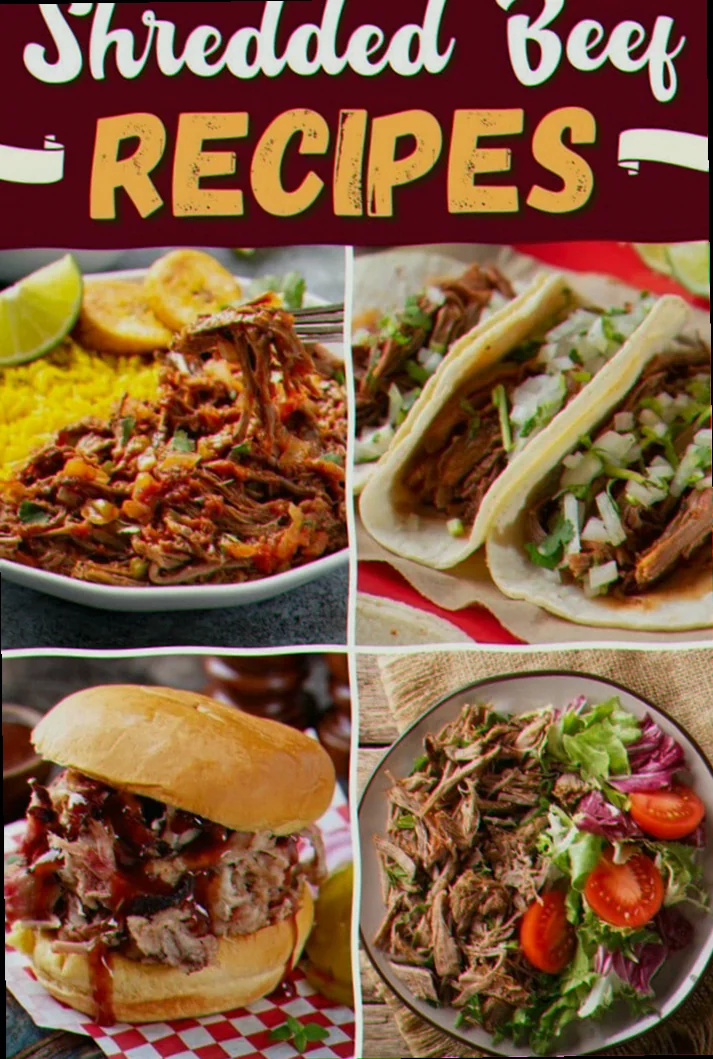
The tender succulence of shredded beef arises from the breakdown of collagen within the muscle fibres during prolonged, moist heat cooking. This process, known as collagen hydrolysis, transforms tough connective tissue into gelatin, creating a melt-in-your-mouth texture. Ropa Vieja, originating in Cuba, exemplifies this technique, with its defining attribute being the incredibly tender, flavourful strands of beef.
Complete Recipe Overview
| Property | Detail |
|---|---|
| Dish entity | Shredded Beef (Ropa Vieja inspired) |
| Cuisine origin | Cuban |
| Defining technique | Braising |
| Hero ingredients | Beef chuck, Tomato, Bell Peppers |
| Critical ratio | Beef:Liquid (1:3 by weight) |
| Prep time | 30 minutes |
| Cook time | 3-4 hours at 150°C |
| Rest / chill time | 30 minutes |
| Yield | 6-8 servings |
| Difficulty | Medium - requires patience for the long braising time, but the technique itself is straightforward. |
Ingredients: Quantities, Roles, and Critical Ratios
This recipe builds flavour through layers, starting with a deeply browned beef chuck, which provides the foundation for a rich sauce. The tomato and bell peppers contribute sweetness, acidity, and vibrant colour. The critical ratio of beef to liquid (1:3) is essential; too little liquid and the beef won't become tender, too much and the flavour will be diluted. The sofrito base provides aromatic complexity.
- Beef chuck - 1.5kg - Role: Provides the primary flavour and texture; collagen breakdown creates tenderness.
- Tomatoes - 800g (canned crushed tomatoes) - Role: Adds acidity, sweetness, and body to the sauce.
- Bell Peppers (mixed colours) - 300g - Role: Contributes sweetness, colour, and a slight vegetal note.
- Olive Oil - 30ml - Role: For browning the beef and sautéing the vegetables.
- Onion - 1 large (200g), diced - Role: Aromatic base for the sofrito.
- Garlic - 4 cloves, minced - Role: Aromatic base for the sofrito.
- Dry White Wine - 120ml - Role: Deglazes the pot, adding acidity and flavour.
- Beef Broth - 450ml - Role: Provides the braising liquid.
- Cumin - 1 tsp (5g) - Role: Warm, earthy spice.
- Oregano - 1 tsp (2g) - Role: Herbaceous flavour.
- Bay Leaf - 2 - Role: Subtle aromatic complexity.
- Salt - to taste
- Black Pepper - to taste
- Olives (Manzanilla, pitted) - 100g - Role: Salty, briny flavour.
- Capers - 2 tbsp (30g) - Role: Salty, tangy flavour.
The Science of Braising
Braising is a combination cooking method employing both dry and moist heat. Initially, the beef is seared at high heat, triggering the Maillard reaction - a non-enzymatic browning reaction between amino acids and reducing sugars. This creates hundreds of flavour compounds, contributing to the savoury depth. Subsequently, the beef is submerged in liquid and cooked at a low temperature (150°C). This sustained heat gradually breaks down the collagen in the muscle fibres through collagen hydrolysis, converting it into gelatin. Gelatin is a protein that imparts a tender, succulent texture. The low temperature also allows for the slow extraction of flavour from the aromatics into the braising liquid, creating a complex and flavourful sauce.
Method: Braising at Every Critical Stage
This method prioritises developing deep flavour and achieving maximum tenderness through a slow, controlled braising process.
- Sear - Beef: Season beef generously with salt and pepper. Heat olive oil in a large, heavy-bottomed pot over medium-high heat. Sear beef in batches for 3-4 minutes per side, until deeply browned.
- Sauté - Sofrito: Remove beef and set aside. Add onion and bell peppers to the pot and sauté for 5-7 minutes, until softened. Add garlic and cook for 1 minute more, until fragrant.
- Deglaze - Pot: Pour in white wine and scrape up any browned bits from the bottom of the pot. This is a critical control point - those browned bits (fond) are packed with flavour. If you don't deglaze properly, you'll lose a significant amount of flavour.
- Braise - Beef: Return beef to the pot. Add crushed tomatoes, beef broth, cumin, oregano, and bay leaf. Bring to a simmer, then reduce heat to low, cover, and braise for 3-4 hours, or until beef is fork-tender. This is the second critical control point - ensure the liquid covers at least two-thirds of the beef. If it evaporates too quickly, add more broth.
- Shred - Beef: Remove beef from the pot and let rest for 30 minutes. Shred beef with two forks.
- Finish - Sauce: Return shredded beef to the pot. Stir in olives and capers. Simmer for 10-15 minutes to allow flavours to meld.
- Rest - Flavours: Allowing the shredded beef to sit in the sauce for 10-15 minutes after adding the olives and capers is non-negotiable. This allows the salty, briny flavours to fully integrate.
- Plate and serve: Serve hot, garnished with fresh parsley. The visual attribute is the vibrant colour of the sauce and the tender, shredded beef.
Cultural and Historical Context of Cuban Cuisine
Ropa Vieja, meaning 'old clothes' in Spanish, originated in Cuba during the 17th century. Legend has it that a wealthy man, tired of eating the same dishes, asked his cook to create something new from leftover shredded beef. The cook, resourceful and creative, transformed the humble scraps into a flavourful and satisfying dish. It quickly became a staple of Cuban cuisine, representing resourcefulness and the ability to create something delicious from limited ingredients. The dish reflects the Spanish colonial influence on Cuban food, combined with African and indigenous traditions.
Variations Across Latin American and Spanish Cuisines
- Dominican Republic (Sancocho): This version often includes root vegetables like yuca and plantains, resulting in a thicker, heartier stew. The flavour profile is earthier and less tomato-focused.
- Mexico (Deshebrada): Typically made with pork or chicken, deshebrada is seasoned with chili peppers and spices, offering a spicier flavour.
- Vegan adaptation: Substitute the beef with jackfruit, which has a similar shreddable texture. Use vegetable broth and ensure all other ingredients are plant-based. The texture will be different, but the flavour profile can be closely replicated.
- Modern adaptation: Slow-cooking the beef in a pressure cooker significantly reduces the cooking time while still achieving tenderness. However, some flavour complexity may be lost.
Storage, Freezing, and Reheating Shredded Beef
Leftover shredded beef can be stored in an airtight container in the refrigerator for up to 3 days. The texture may become slightly drier upon refrigeration. For longer storage, freeze in a freezer-safe container for up to 2 months. Thaw overnight in the refrigerator. Reheat gently in a saucepan over low heat, adding a splash of broth if needed to prevent drying. Freezing may slightly alter the texture, making it a bit softer, but the flavour will remain intact.
Pairing Shredded Beef: Sides, Sauces, and Drinks
Shredded beef pairs beautifully with white rice, which provides a neutral base to absorb the flavourful sauce. Fried plantains (maduros) offer a sweet and contrasting element. A dollop of sour cream or Greek yogurt can add a cooling tang. For a wine pairing, a Spanish Rioja, with its earthy notes and moderate tannins, complements the beef's richness. Alternatively, a crisp, dry Rosé provides a refreshing counterpoint.
Answers to the Most-Searched Questions About Recipes with shredded beef
What temperature should shredded beef be cooked at - and how do I know it's done?
The beef should be braised at 150°C. It's done when it's fork-tender, meaning a fork easily slides in and out of the meat with minimal resistance. The internal temperature should be around 90-95°C.
What is the difference between Shredded Beef and Barbacoa?
Barbacoa traditionally involves slow-cooking a whole animal (often sheep or goat) in a pit, resulting in a smoky, intensely flavoured dish. Shredded beef is typically made with beef chuck and braised in a pot, focusing on tenderness and a rich sauce. Barbacoa has a distinct smoky flavour that shredded beef lacks.
Can Shredded Beef be made in advance, and does it freeze well?
Yes, shredded beef can be made 1-2 days in advance and stored in the refrigerator. It also freezes well for up to 2 months. Freezing may slightly affect the texture, making it a bit softer, but the flavour will remain excellent.